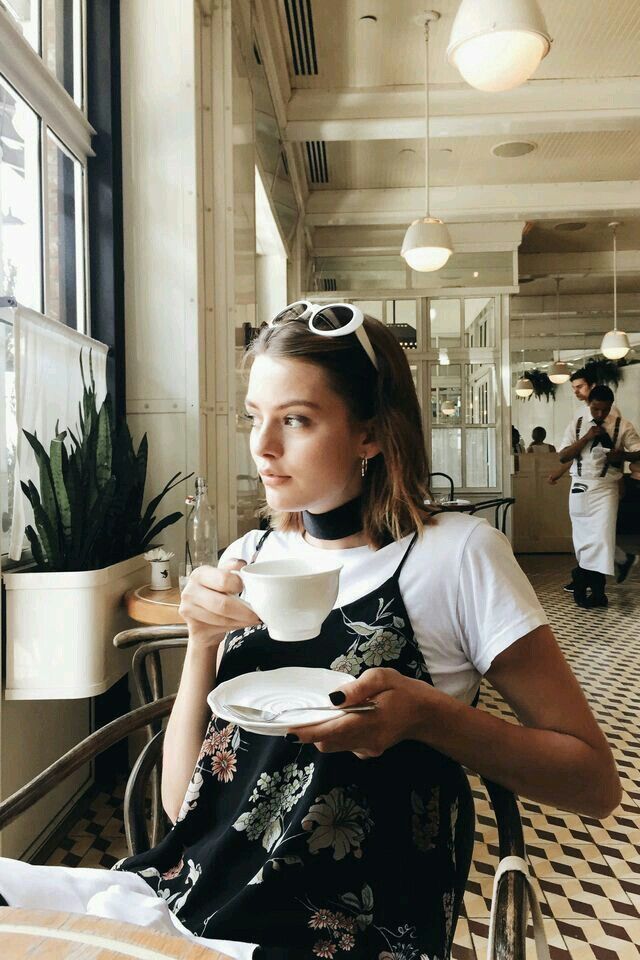
In a world obsessed with appearances, dressing down in a space designated for the dressed-up unravels a tapestry of social expectations, biases, and cultural mores. Imagine walking into a high-end, crystal-chandeliered restaurant draped not in silk or sequins but in soft, unassuming sweatpants. The looks you receive—the sharp glances, the raised brows, the thinly veiled disdain—are a silent narrative about conformity, class, and gendered etiquette. This essay delves deep into the story behind the sweatpants, unpacking the societal dynamics inscribed in those stares.
The New Frontier of Fashion Rebellion
Wearing sweatpants to an upscale eatery is no mere fashion faux pas—it is a calculated affront, a sartorial declaration of independence from the tyranny of dress codes and fashion elitism. Sweatpants, traditionally relegated to lazy weekends and gym sessions, have undergone a radical cultural evolution. They symbolize comfort, ease, and resistance to oppressive aesthetics. By wearing them in a space that demands elegance, the wearer challenges who has the right to occupy these spaces and how they should present themselves.

The act is not about mere comfort—it’s about dismantling hierarchies. It is a feminist and social critique, forcing onlookers to confront ingrained perceptions of worth, propriety, and the policing of female bodies through attire.
Societal Judgments Encapsulated in a Glance
Those piercing stares reveal more than just disapproval of clothing choice; they echo entitlement and exclusion. They are the visual punctuation marks affirming unwritten codes about who belongs where and how one must comport themselves to fit those expectations. We live in an era where fashion is weaponized—a system that stratifies people by economic status and cultural capital. Sweatpants threaten this system by upending traditional symbols of status.
When scrutinized, the wearer becomes a canvas upon which prejudices about laziness, disrespect, or even moral failure are projected. However, these stares often reveal less about the individual choosing comfort and more about the collective anxiety about shifting social landscapes, gender norms, and class boundaries.
Comfort vs. Conformity: The Gendered Battleground
The scrutiny sweatpants-wearers endure is heavily gendered. Female bodies, in particular, endure a relentless policing under the guise of “appropriate” dress. Traditional femininity equates to ornamentation, sacrifice, and display—all antithetical to the simplicity and self-care implied by sweatpants. For women, choosing comfort can be an act of radical self-possession or an insurrection against patriarchal expectations that prioritize aesthetics over agency.

Men, though not immune, often navigate this terrain with more leniency; their clothing choices are less scrutinized, less laden with cultural meaning about worth and respectability. The sweatpants at the fancy table, thus, are an unequal lightning rod exposing gendered double standards.
Luxury Spaces and the Architecture of Exclusivity
Upscale restaurants are not merely dining venues; they are stages where social performance is mandated. Dress codes serve as a gatekeeping mechanism, meticulously crafted to preserve exclusivity. Each embroidered cuff and tailored silhouette is ammunition in a cultural war over access.
By stepping into such a space in sweatpants, the wearer destabilizes this architecture of exclusivity. It forces a reconsideration of what belongs and what is foreign. This rejection of normative dress codes can be empowering for some, alienating for others, but it undoubtedly catalyzes dialogue on social stratification.
The Psychological Weight of Standing Out
To defy a norm publicly is to bear an invisible yet palpable psychological weight. Anticipating judgment, navigating microaggressions, and confronting potential ostracism demand courage. Yet, this discomfort is the crucible in which societal transformation is forged.
For the individual, wearing sweatpants in a setting that screams “dress up or stay out” is often an act punctuated by internal negotiation. Is comfort worth the discomfort of social alienation? The answer varies, but it invariably punctuates the wearer’s story with resilience.
Reimagining Elegance: The Future of Fashion Norms
The rapid blending of athleisure into mainstream fashion signals a changing tide. Elegance no longer must be synonymous with stiffness and pain; it can be softness, fluidity, and authenticity. Sweatpants in a fancy restaurant might once have been unthinkable, but future social scripts could welcome it as an expression of personal truth rather than rebellion.

This evolving narrative invites us to question how much we invest our identity in appearance and whether comfort and empowerment can coexist seamlessly in social spaces traditionally ruled by formality and hierarchy.
Conclusion: The Sweatpants as a Provocation to the Status Quo
She wore sweatpants to a fancy restaurant and uncovered a complex labyrinth of societal expectations. Those stares were not just reactions to fabric but indictments of the rigid social structures insistently reinforced by clothing. This act of sartorial insubordination poses a fundamental question: who deserves to feel comfortable, and in what settings? It lays bare the power of attire not simply as fashion but as a tool of social control, resistance, and, ultimately, transformation.
Sweatpants are more than soft threads—they are a challenge woven in cotton, a bold punctuation in fashion’s language, and a statement in the ongoing dialogue about freedom and equality.







Leave a Comment