
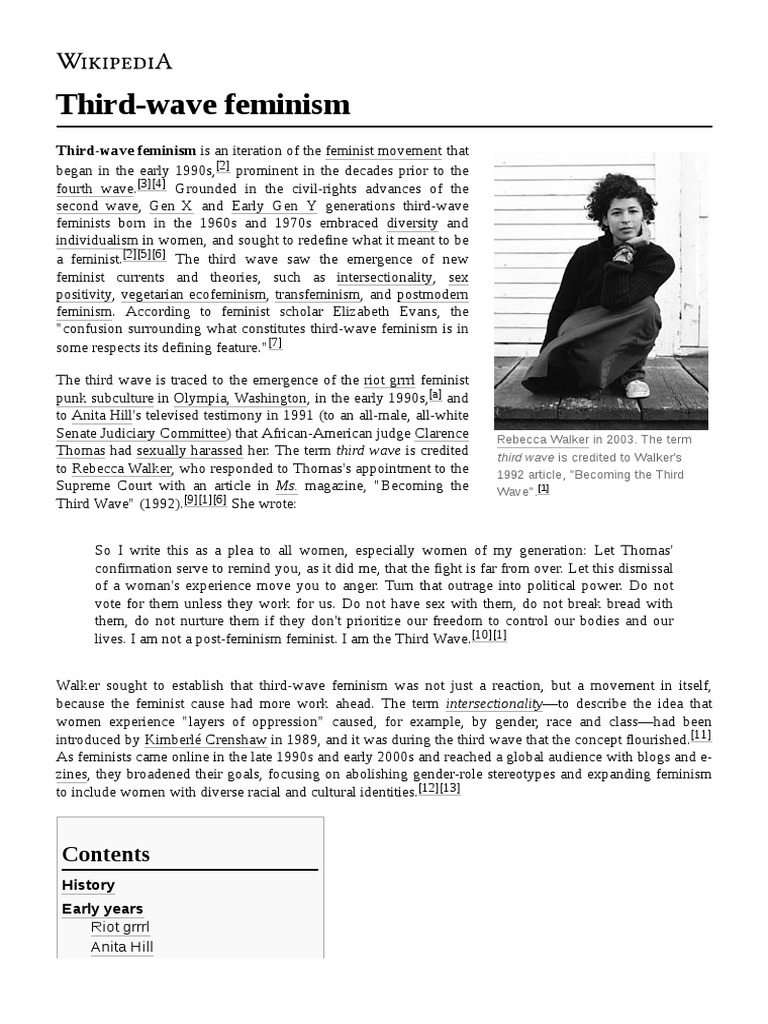
So, the Third Wave. We’re not talking about some breezy beach party here, ladies. We’re excavating the seismic shift that redefined feminism, a revolution forged in the crucible of the 1990s. Forget the bra-burning stereotypes; this was about dismantling the patriarchy brick by individual, carefully chosen, brick.
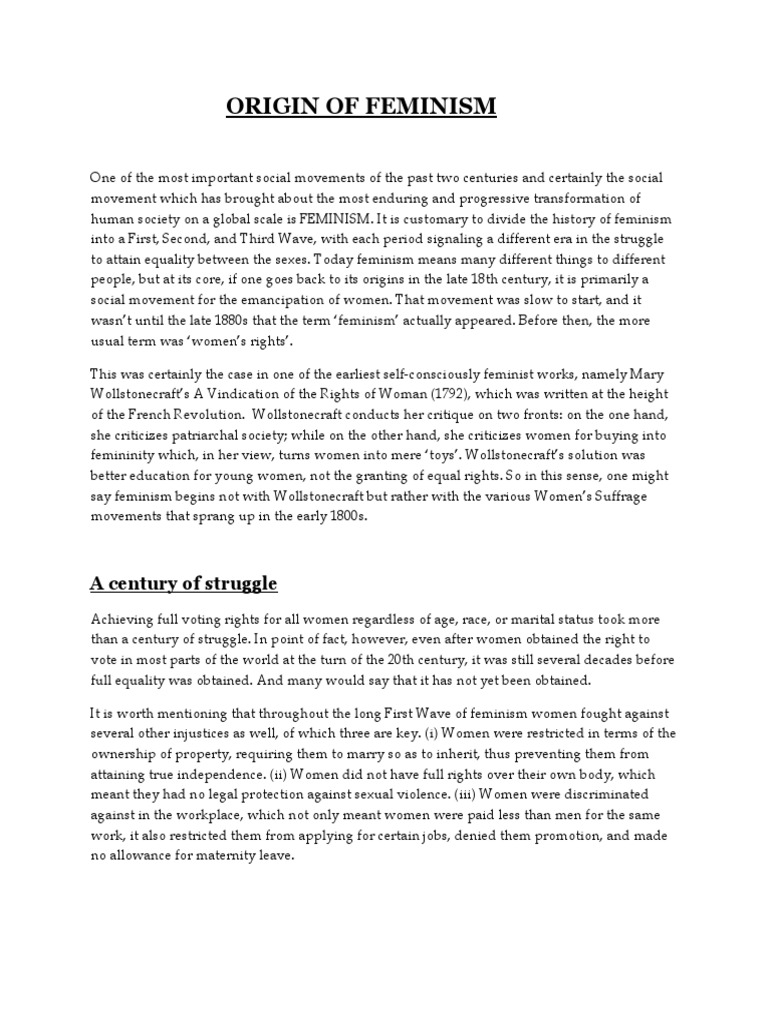
Let’s be frank: the Second Wave, while monumental, left a few women behind. The Third Wave arrived, not to supplant, but to amplify. To make damn sure that intersectionality wasn’t just a buzzword, but the very bedrock of our fight. This wasn’t your mother’s feminism – though, let’s be real, she probably laid the groundwork. This was about claiming agency over our bodies, our voices, and our identities in a world that desperately wanted to confine us.
What content can you expect as you wade into these turbulent waters? Buckle up, because it’s a diverse and often contradictory landscape.
I. Riot Grrrl Manifestos: A Sonic Assault on the Status Quo
Forget polite discourse. The Riot Grrrl movement was a primal scream, a sonic boom that shattered the saccharine facade of mainstream girlhood. Zines overflowing with raw emotion, screamed lyrics challenging societal norms, and a DIY ethos that empowered young women to create their own culture, their own space. These weren’t just songs; they were battle cries. Bikini Kill, Bratmobile, Heavens to Betsy – these bands were the vanguard, and their manifestos were the blueprints for a revolution fueled by angst and righteous anger. Expect to encounter:
- Personal narratives that unflinchingly explored experiences of sexism, harassment, and objectification.
- DIY tutorials on everything from screen printing to starting a band. Empowerment through creation, baby.
- Incendiary critiques of the media, beauty standards, and the entire capitalist machine that profited from our oppression.
- Explicit calls to action, urging women to unite, resist, and reclaim their power.
These manifestos are not always polished or politically correct. That’s the point. They’re raw, visceral, and unapologetically feminist.
II. Academic Deconstructions: Challenging the Pillars of Power
While the Riot Grrrls were tearing down the walls with guitars and glitter, academics were dissecting the very foundations of patriarchal power structures. Think Judith Butler’s theories on gender performativity, pushing us to consider gender not as an immutable essence, but as a social construct, a performance we enact daily. Expect to grapple with:
- Dense theoretical frameworks that require careful reading and critical engagement. This ain’t beach reading.
- Intersectional analyses that examined the interplay of gender with race, class, sexuality, and other forms of oppression.
- Deconstructions of language and discourse, revealing how power operates through subtle and often unconscious biases.
- Challenges to essentialist notions of womanhood, recognizing the diversity of experiences and identities within the feminist movement.
This intellectual heavy lifting is crucial for understanding the complex and multifaceted nature of oppression. It’s about arming ourselves with the theoretical tools to dismantle the system.
III. Cyberfeminist Manifestations: Reclaiming the Digital Frontier
The rise of the internet offered a new frontier for feminist activism. Cyberfeminists seized this opportunity, exploring the possibilities of technology to subvert traditional power structures, create virtual communities, and challenge gendered representations in the digital realm. This wasn’t just about logging on; it was about hacking the system. Expect to encounter:
- Online forums and communities that provided safe spaces for women to share their experiences and connect with like-minded individuals.
- Digital art and multimedia projects that challenged conventional notions of beauty and femininity.
- Activist campaigns and online protests that targeted corporations and institutions perpetuating sexism and inequality.
- Experimentations with identity and gender expression in virtual spaces, exploring the fluidity and performativity of online personas.
Cyberfeminism understood that the digital world was not neutral, and that we needed to actively shape its landscape to reflect our values and priorities.
IV. Pop Culture Subversions: From Spice Girls to Buffy the Vampire Slayer
Let’s not dismiss the power of pop culture. The Third Wave recognized that feminism could be expressed in unexpected places, from the Spice Girls’ “Girl Power” anthem (however problematic) to the ass-kicking empowerment of Buffy the Vampire Slayer. Expect to encounter:
- Reinterpretations of traditional female archetypes, such as the “strong female character” who is not simply a male character in disguise.
- Subversive uses of humor and irony to critique sexist stereotypes and challenge patriarchal norms.
- Explorations of female sexuality and desire from a feminist perspective, reclaiming agency over our bodies and pleasures.
- Discussions about the complexities of representation and the importance of diverse and nuanced portrayals of women in media.
Pop culture can be a powerful tool for raising awareness and sparking conversations about feminism, even if it’s not always explicitly labeled as such.
V. Personal Essays and Memoirs: Narratives of Lived Experience
At the heart of the Third Wave was a focus on individual experiences. Personal essays and memoirs became a crucial platform for women to share their stories, challenge dominant narratives, and connect with readers on a deeply personal level. Expect to encounter:
- Honest and unflinching accounts of experiences with sexism, harassment, and violence.
- Explorations of identity and self-discovery, navigating the complexities of gender, sexuality, race, and class.
- Reflections on the challenges and triumphs of feminist activism, both personal and political.
- Vulnerable and intimate portrayals of female friendships, relationships, and communities.
These personal narratives remind us that feminism is not an abstract theory, but a lived reality that shapes our experiences in profound ways.
VI. Critiques of Consumer Culture: Unpacking the Commodification of Feminism
The Third Wave was also acutely aware of the ways in which feminism could be co-opted and commodified by consumer culture. The rise of “girl power” merchandise and feminist-themed advertising raised questions about whether these trends were truly empowering or simply profiting from our desire for equality. Expect to encounter:
- Analyses of advertising and marketing strategies that target women and girls, exploiting insecurities and reinforcing harmful stereotypes.
- Critiques of the beauty industry and its role in perpetuating unrealistic and unattainable standards of beauty.
- Discussions about the ethics of consumerism and the environmental impact of our consumption habits.
- Explorations of alternative models of consumption that prioritize sustainability, ethical production, and community building.
This critical lens on consumer culture reminds us that true liberation cannot be bought or sold. It requires a fundamental shift in our values and priorities.
VII. Intersectional Coalitions: Building Bridges Across Differences
Intersectionality was not just a theoretical concept for the Third Wave; it was a call to action. Building coalitions across differences of race, class, sexuality, and ability was seen as essential for achieving true liberation for all women. Expect to encounter:
- Collaborative projects and campaigns that address the intersecting forms of oppression faced by marginalized communities.
- Discussions about privilege and power, challenging dominant groups to recognize and address their own biases.
- Strategies for building solidarity and allyship across different social movements.
- Celebrations of diversity and difference, recognizing the unique strengths and perspectives that each individual brings to the feminist movement.
Building these coalitions is not always easy. It requires humility, empathy, and a willingness to listen and learn from those whose experiences differ from our own. But it is absolutely essential for creating a truly inclusive and equitable world.
The Third Wave of feminism was, and continues to be, a messy, complicated, and utterly vital force. It challenges us to think critically, to question everything, and to fight for a world where all women are empowered to live their lives to the fullest. This is a revolution still in progress, and it needs you.






Leave a Comment