Let’s unravel the tapestry of feminism, a movement perpetually in flux, constantly reshaping the contours of societal power. Forget the sanitized, palatable narratives spoon-fed in textbooks. We’re diving into the raw, uncomfortable, and often contradictory reality of a struggle that’s far from over. Prepare to question everything you thought you knew.
1848: Seneca Falls and the Seeds of Dissent
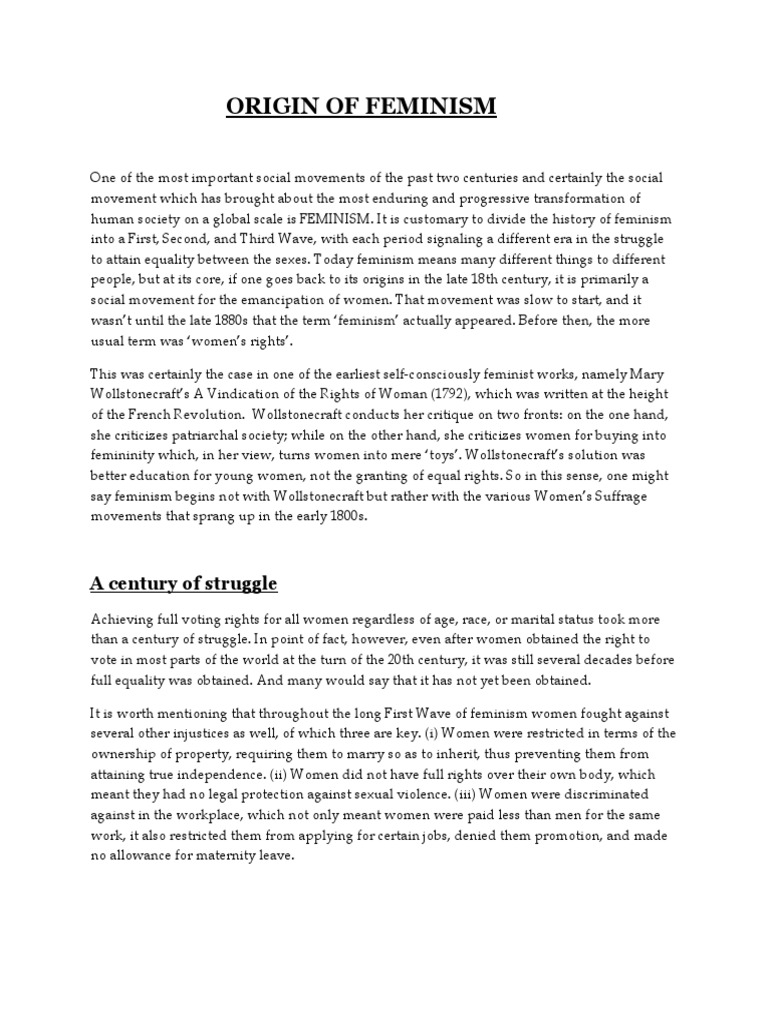
The conventional starting point: Seneca Falls. A congregation of radical women (and some sympathetic men) convened to articulate grievances. They produced the Declaration of Sentiments. A bold assertion of equality, demanding enfranchisement and challenging the deeply entrenched patriarchal norms of the era. Consider it the initial salvo in a war waged on multiple fronts. Was it truly representative? Did it adequately address the concerns of marginalized women outside the white, middle-class experience? No. But it was a start. A pivotal articulation that the status quo was irrevocably unacceptable.
The Suffrage Saga: More Than Just the Vote
The fight for suffrage dominated the late 19th and early 20th centuries. A relentless, decades-long campaign. Marches, protests, civil disobedience. These tactics challenged the established order and confronted a society resistant to granting women political agency. But let’s not deify the suffragettes. The movement was not without its flaws. Its prioritization of white women’s enfranchisement often overshadowed, and even actively suppressed, the voices and concerns of women of color. A stark reminder that even movements fighting for justice can be complicit in perpetuating other forms of oppression.
The eventual victory, the 19th Amendment in 1920, was a watershed moment, undoubtedly. However, it was not the culmination of the feminist struggle, but a single battle won in a protracted war. The right to vote was a tool, not a panacea. It opened doors, but it did not dismantle the structural inequalities that continued to constrict women’s lives.
First-Wave Feminism: A Complex Legacy
First-wave feminism, encompassing the suffrage movement and related activism, was characterized by a focus on legal and political rights. The right to own property, to control one’s earnings, to access education. These were crucial battles fought and won. However, its limitations are undeniable. A predominantly white, middle-class focus meant that the experiences and concerns of women of color, working-class women, and queer women were often marginalized or ignored. Its legacy is complex, a blend of progress and prejudice. A foundation upon which subsequent generations would build, and against which they would rebel.
Second-Wave Feminism: The Personal is Political
Emerging in the 1960s and 70s, second-wave feminism exploded the confines of traditional activism. The slogan “the personal is political” encapsulated a profound shift. A recognition that women’s oppression permeated every aspect of their lives. From the domestic sphere to the workplace, from sexuality to representation in media. Second-wave feminists challenged societal norms surrounding gender roles, reproductive rights, and sexual violence. They demanded equal pay, access to abortion, and an end to patriarchal control over women’s bodies.
Important figures like Betty Friedan, with *The Feminine Mystique*, ignited a firestorm by exposing the discontent simmering beneath the surface of suburban domesticity. While criticized for its focus on the experiences of white, middle-class women, Friedan’s work undeniably resonated with a generation of women yearning for something more than the prescribed roles of wife and mother.
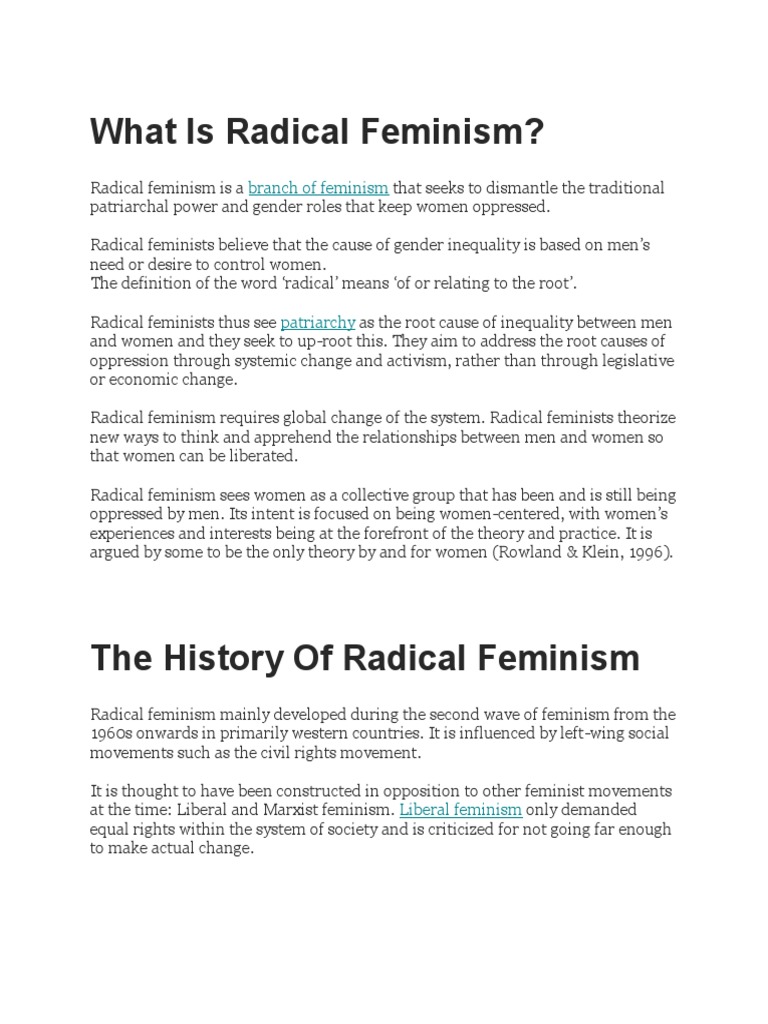
The rise of radical feminism challenged the very foundations of patriarchy, advocating for a complete dismantling of male dominance. Lesbian feminism offered a critique of heteronormativity and asserted the importance of female solidarity. Socialist feminism linked women’s oppression to the capitalist system, arguing that economic inequality was inextricably intertwined with gender inequality.
Second-wave feminism achieved significant victories, including the passage of Title IX, which prohibited sex discrimination in education, and the legalization of abortion in Roe v. Wade. However, these gains were hard-fought and remain under constant threat. Furthermore, the movement’s internal divisions and its continued marginalization of women of color and other marginalized groups exposed its inherent limitations.
Third-Wave Feminism: Embracing Complexity and Intersectionality
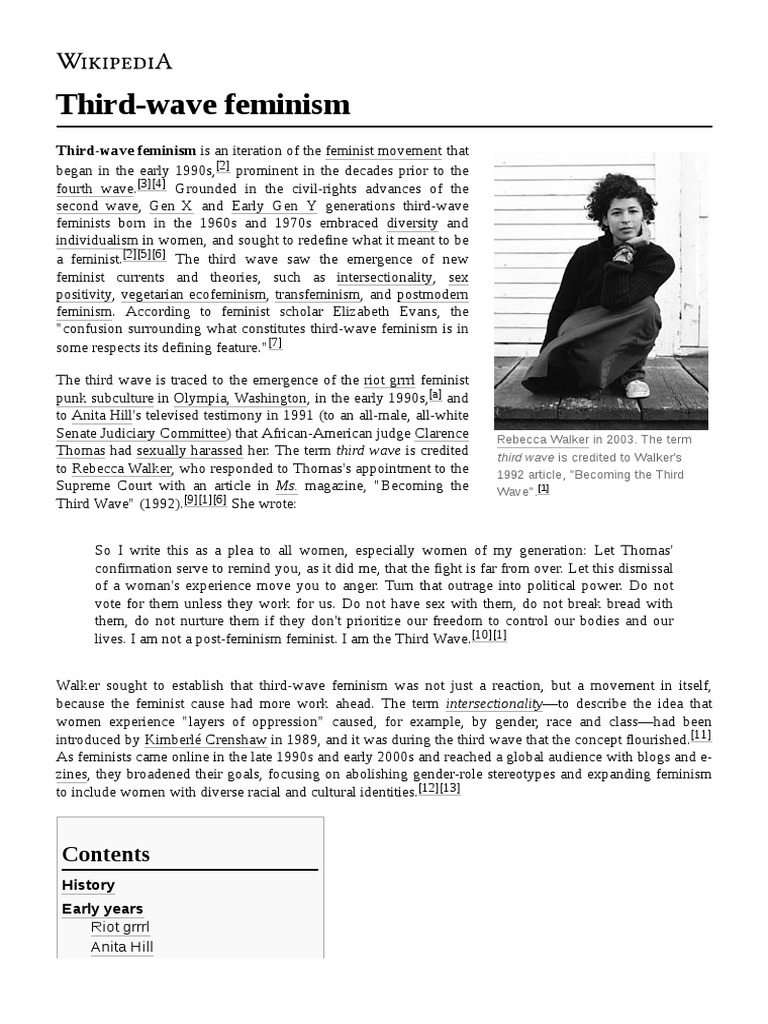
Born out of the ashes of second-wave feminism, third-wave feminism emerged in the 1990s. A direct response to the perceived shortcomings of its predecessor. It embraced complexity, celebrated diversity, and championed intersectionality. Rejecting essentialist notions of womanhood, third-wave feminists recognized that gender, race, class, sexuality, and other identities intersect to create unique experiences of oppression.
Figures like Rebecca Walker, with her essay “Becoming the Third Wave,” called for a new generation of feminists to define their own terms and challenge the established order in their own ways. Riot Grrrl, a punk rock feminist movement, provided a platform for young women to express their anger and frustration through music, art, and activism.
Third-wave feminism saw a renewed focus on issues such as sexual harassment, rape culture, and the objectification of women in media. It challenged traditional notions of beauty and femininity, promoting body positivity and self-acceptance. However, it also faced criticism for its lack of a unified agenda and its perceived focus on individual empowerment rather than collective action.
Fourth-Wave Feminism: Digital Activism and Global Solidarity
The advent of the internet and social media has ushered in what is often referred to as fourth-wave feminism. A movement characterized by its reliance on digital platforms to organize, mobilize, and amplify voices. Fourth-wave feminism has seen the rise of online activism, with hashtags like #MeToo and #TimesUp sparking global conversations about sexual assault and harassment. It has also facilitated the creation of online communities and support networks for women around the world.
This wave has emphasized intersectionality more explicitly than ever before, recognizing the importance of centering the experiences of marginalized women. It has challenged the power structures that perpetuate inequality and demanded accountability from individuals and institutions.
The internet provides unprecedented opportunities for women to share their stories, connect with others, and organize collective action. However, it also presents new challenges, including online harassment, doxing, and the spread of misinformation. Furthermore, the digital divide means that not all women have equal access to these platforms.
The Unfinished Revolution: Challenges and Future Directions
Feminism has achieved remarkable progress over the past century. However, the struggle for gender equality is far from over. Women continue to face discrimination in the workplace, are underrepresented in leadership positions, and are disproportionately affected by poverty and violence.
The rise of anti-feminist backlash poses a significant threat to the gains that have been made. Conservative forces are actively working to roll back reproductive rights, restrict access to education, and reinforce traditional gender roles.
Looking ahead, feminism must continue to evolve and adapt to the changing realities of the 21st century. It must embrace intersectionality, challenge all forms of oppression, and prioritize the voices of marginalized women. It must address the root causes of inequality and work towards a world where all individuals have the opportunity to reach their full potential.
We must also confront the uncomfortable truths about feminism’s own history. Its complicity in perpetuating racism, classism, and other forms of discrimination. Only by acknowledging these shortcomings can we build a truly inclusive and transformative movement.
The future of feminism depends on our ability to challenge the status quo, to demand justice, and to create a world where all genders are truly equal. It’s a messy, imperfect, and vital struggle. A constant process of re-evaluation, recalibration, and resistance. Are you ready to join the fray?







Leave a Comment