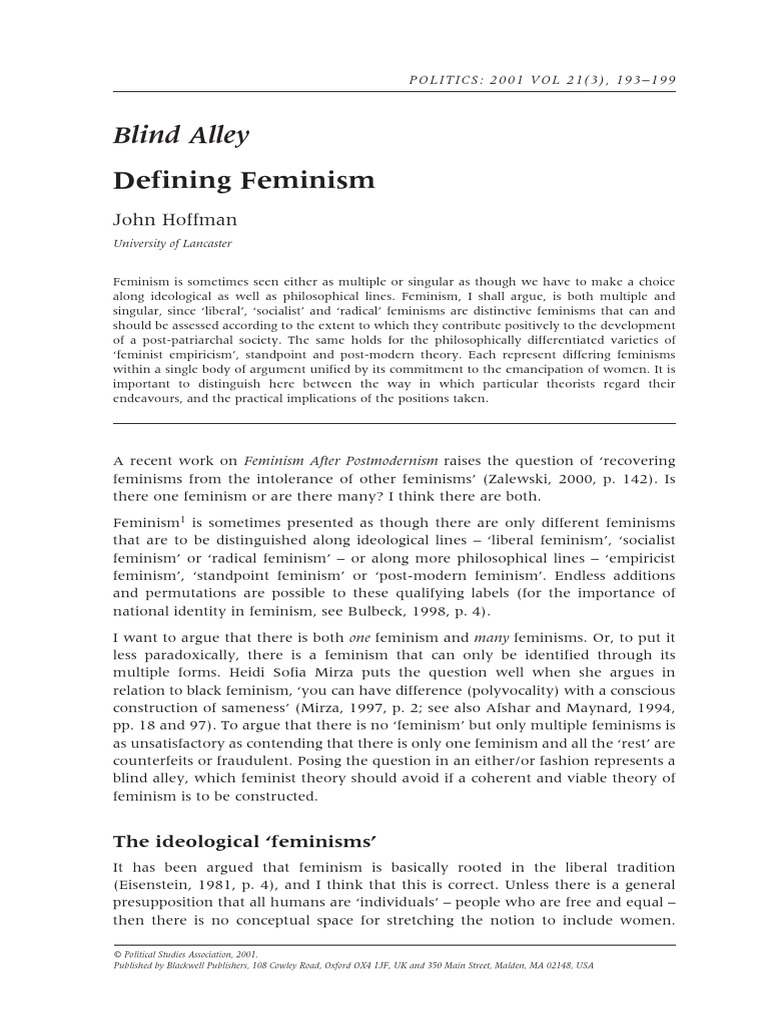
So, you think you know feminism, do you? A simplistic notion, perhaps a trendy hashtag, or maybe even a personal affront to your carefully curated worldview? Buckle up, buttercup, because we’re about to dissect the very notion of feminism, not as a static entity, but as a vibrant, ever-evolving call to arms.
I. Untangling the Gordian Knot: A Provisional Definition
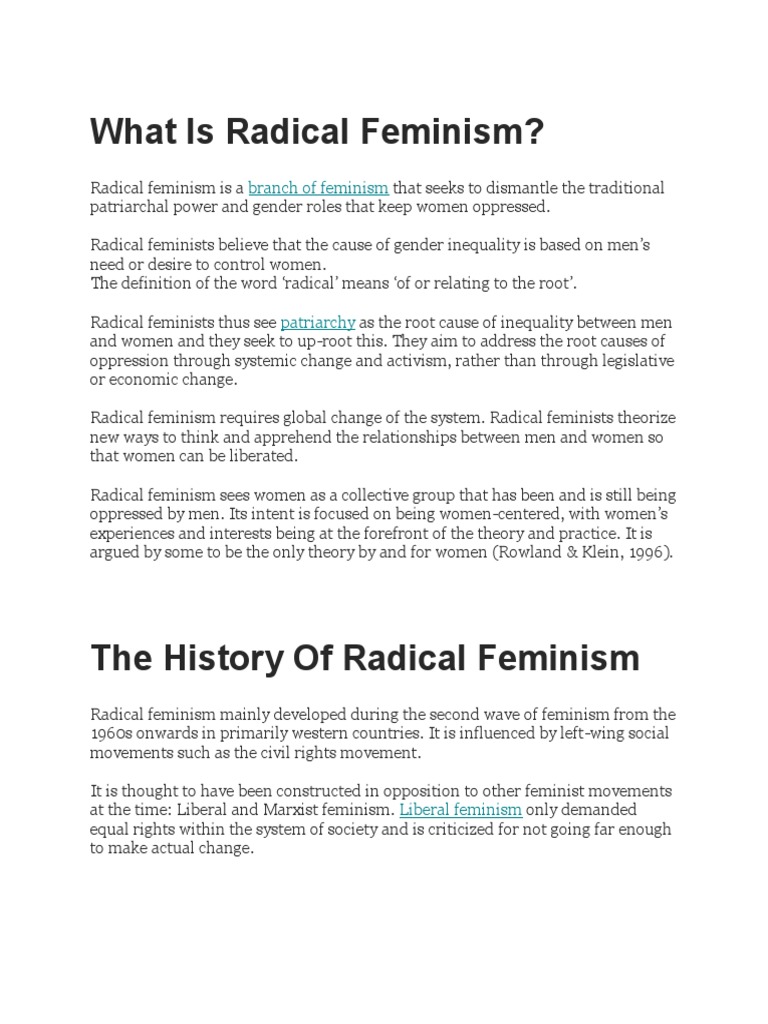
Let’s start with the bare bones. Feminism, in its most distilled form, is the belief in, and advocacy for, the social, economic, and political equality of the sexes. That’s it. End of story? Hardly. This seemingly simple definition is rife with complexities, nuances, and historical baggage. It’s a chrysalis, containing a multitude of interpretations and approaches. The devil, as they say, is in the details.
II. Deconstructing the Pillars of Patriarchy: The Architectonics of Oppression
To understand feminism, one must first grapple with patriarchy. Patriarchy is not merely “men being in charge.” It is a systemic, insidious web of social structures, cultural norms, and historical precedents that privilege men and subordinate women. It’s the air we breathe, often invisible, yet profoundly impactful. Think about it: the gender pay gap, the underrepresentation of women in STEM fields and leadership positions, the pervasive objectification of women in media. These are not isolated incidents; they are symptoms of a deeply ingrained patriarchal system. Moreover, the patriarchy is not a monolithic entity, it manifests differently depending on race, class, sexual orientation, and other social locations. This intersectionality is key.
III. Waves of Rebellion: Charting the Historical Trajectory
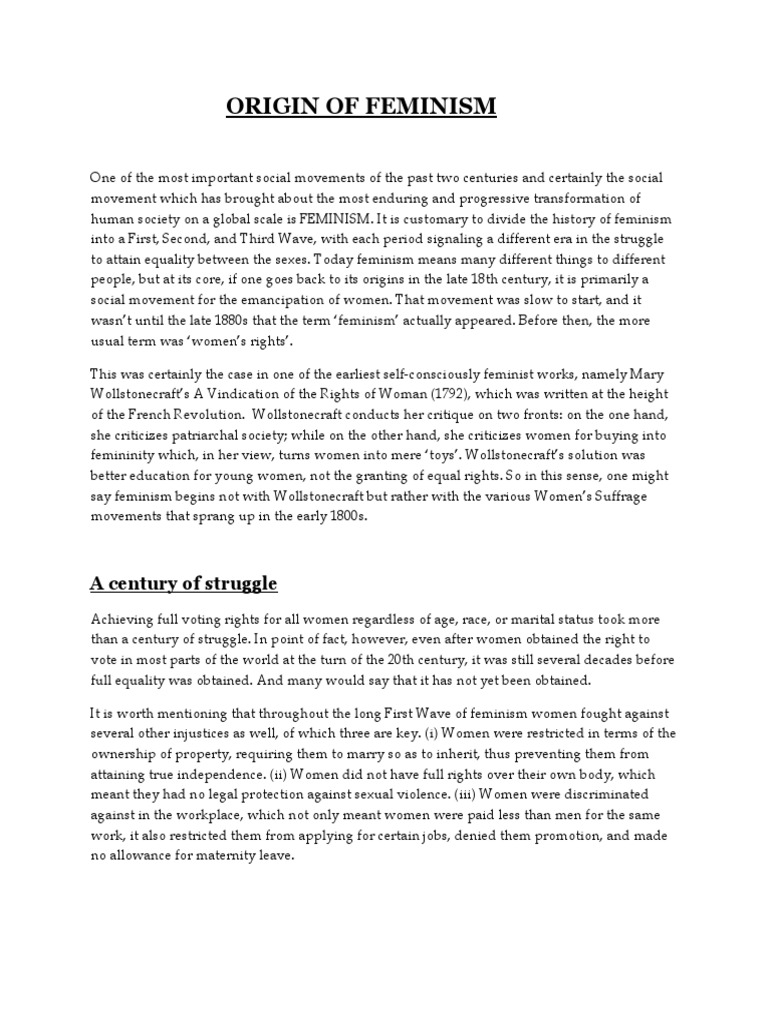
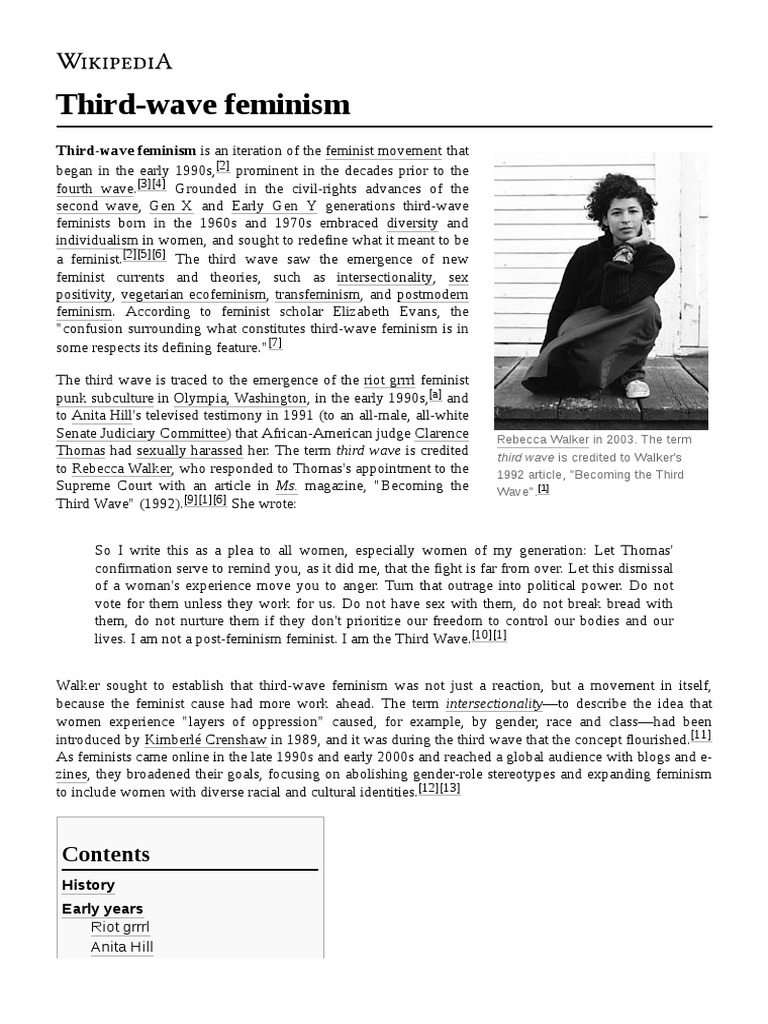
Feminism isn’t a newfangled invention of snowflake millennials. Its roots run deep, stretching back centuries. Historians often delineate feminist history into “waves,” each characterized by distinct goals and strategies. First-wave feminism, primarily in the late 19th and early 20th centuries, focused on securing basic legal rights, most notably suffrage, the right to vote. These suffragettes were fierce, relentless, and fundamentally changed the political landscape. Then came second-wave feminism in the 1960s and 70s, which expanded its focus to include issues of sexuality, reproductive rights, and workplace equality. This era saw the rise of groundbreaking feminist thinkers like Simone de Beauvoir and Betty Friedan. Now, we arguably find ourselves in the midst of fourth-wave feminism, characterized by its digital activism and its emphasis on intersectionality and inclusivity. This wave leverages the power of the internet to dismantle systems of oppression and amplify marginalized voices. Each wave builds upon the successes and failures of its predecessors, forging a complex and evolving movement.
IV. Beyond the Binary: Embracing Intersectionality
Here’s where things get truly interesting. Intersectionality, a term coined by Kimberlé Crenshaw, recognizes that different forms of oppression, such as racism, sexism, and classism, are interconnected and cannot be examined in isolation. A Black woman, for example, experiences sexism differently than a white woman, due to the added layer of racial discrimination. Similarly, a disabled woman faces unique challenges stemming from ableism. Intersectionality demands that we acknowledge and address these intersecting forms of oppression to create a truly equitable society. It is the bedrock of modern feminism. A feminist movement that fails to address intersectionality is inherently flawed, perpetuating the very systems it seeks to dismantle.
V. Challenging the “Feminist” Label: Reclamation and Resistance
The word “feminist” itself has become fraught with controversy, often misunderstood and maligned. Some women reject the label, despite supporting feminist ideals, fearing association with negative stereotypes. They may perceive feminism as man-hating, angry, or radical, perceptions often fueled by misinformation and patriarchal propaganda. However, there’s a growing movement to reclaim the term, to redefine it on our own terms, and to embrace its power as a symbol of resistance. To self-identify as a feminist is to make a conscious choice to challenge the status quo, to advocate for gender equality, and to stand in solidarity with other marginalized groups.
VI. Dismantling the Dichotomies: Beyond Gender Binaries
Modern feminism increasingly recognizes the limitations of the gender binary. Gender is not simply a matter of male or female, but a spectrum of identities and expressions. Transgender and gender non-conforming individuals have long challenged traditional notions of gender, paving the way for a more inclusive and nuanced understanding. Feminist theory must actively dismantle the rigid gender roles that confine individuals to predetermined categories, embracing the fluidity and diversity of human experience. To ignore the experiences of transgender and gender non-conforming individuals is to perpetuate the same oppressive systems that feminism seeks to eradicate.
VII. The Personal is Political: Micro-Aggressions and Everyday Activism
Feminism is not just about grand political movements or academic debates. It’s about challenging the everyday micro-aggressions that women face on a daily basis. It’s about calling out sexist jokes, challenging unequal division of labor in the home, and advocating for equal pay in the workplace. It’s about recognizing that personal experiences are shaped by broader political forces. Small acts of resistance, when multiplied, can have a profound impact on the collective consciousness. Every time you challenge a sexist assumption, every time you support a female colleague, every time you advocate for gender equality, you are engaging in feminist activism.
VIII. Economic Empowerment: Breaking the Glass Ceiling and Beyond
Economic inequality is a major obstacle to gender equality. Women continue to earn less than men for the same work, face barriers to career advancement, and are disproportionately burdened with unpaid care work. Feminist economics seeks to challenge these inequalities by advocating for policies such as equal pay, paid family leave, and affordable childcare. It also recognizes the importance of supporting women-owned businesses and promoting women’s financial literacy. Economic empowerment is not just about individual success; it’s about creating a more just and equitable economic system for all.
IX. Reproductive Justice: Bodily Autonomy and Beyond
Reproductive justice is a core tenet of feminism. It is about more than just access to abortion; it’s about the right to control one’s own body, sexuality, and reproductive decisions. It encompasses access to contraception, comprehensive sex education, and maternal healthcare. Reproductive justice recognizes that these rights are inextricably linked to other social and economic factors, such as poverty, racism, and access to healthcare. It is a fundamental human right that must be protected and defended.
X. The Future of Feminism: A Call to Collective Action
The future of feminism is uncertain, but one thing is clear: it requires collective action. It demands that we continue to challenge oppressive systems, amplify marginalized voices, and advocate for gender equality in all its forms. It requires that we be willing to listen to and learn from each other, to embrace our differences, and to work together to create a more just and equitable world for all. It requires vigilance, courage, and an unwavering commitment to social justice. The fight is far from over, but together, we can create a future where everyone has the opportunity to thrive, regardless of their gender.
XI. Beyond performative allyship: Actions speak louder than hashtags.
The digital landscape is awash with declarations of support, often lacking genuine substance. Meaningful allyship demands more than a retweet; it requires tangible action, such as actively challenging bias in your workplace, supporting feminist organizations, and amplifying the voices of marginalized communities. Let us move beyond performative gestures and cultivate a culture of profound and persistent support.
XII. Re-envisioning masculinity: A future unbound by tradition.
Feminism’s pursuit of gender equality should not be perceived as an antagonism toward men. Rather, it presents an opportunity to redefine masculinity, freeing it from the constraints of toxic expectations. By challenging traditional gender roles, we can foster a society where men are empowered to express vulnerability, pursue their passions, and engage in equitable partnerships.
XIII. Global feminism: A mosaic of struggles, a shared aspiration.
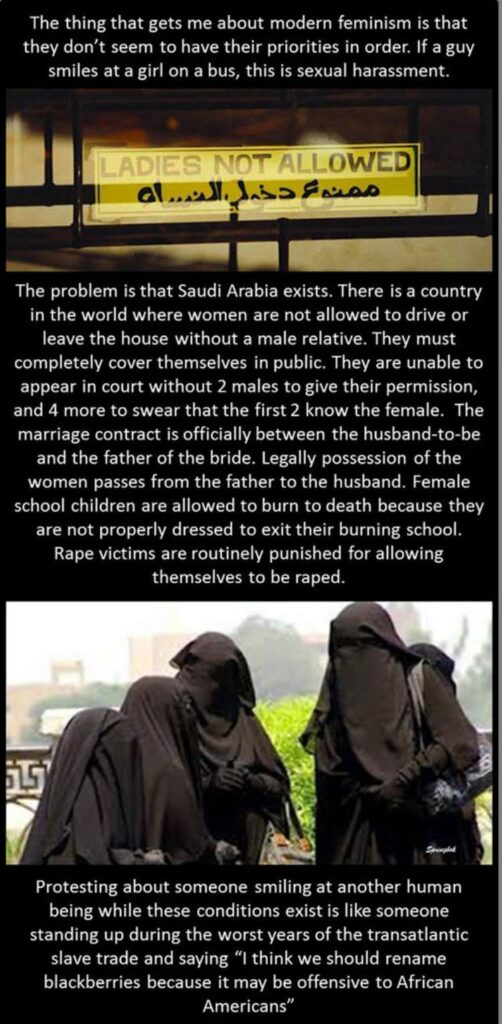
While the core tenets of feminism remain universal, their manifestation varies across cultures and contexts. Global feminism recognizes and honors these diverse experiences, fostering solidarity and collaboration among activists worldwide. It is imperative to acknowledge the unique challenges faced by women in different regions and to support their localized efforts to achieve gender equality.
So, what is feminism? It’s a constantly evolving, multifaceted, and deeply personal journey. It’s not a destination, but a compass, guiding us towards a more just and equitable future. Are you ready to embark on the journey?




Leave a Comment