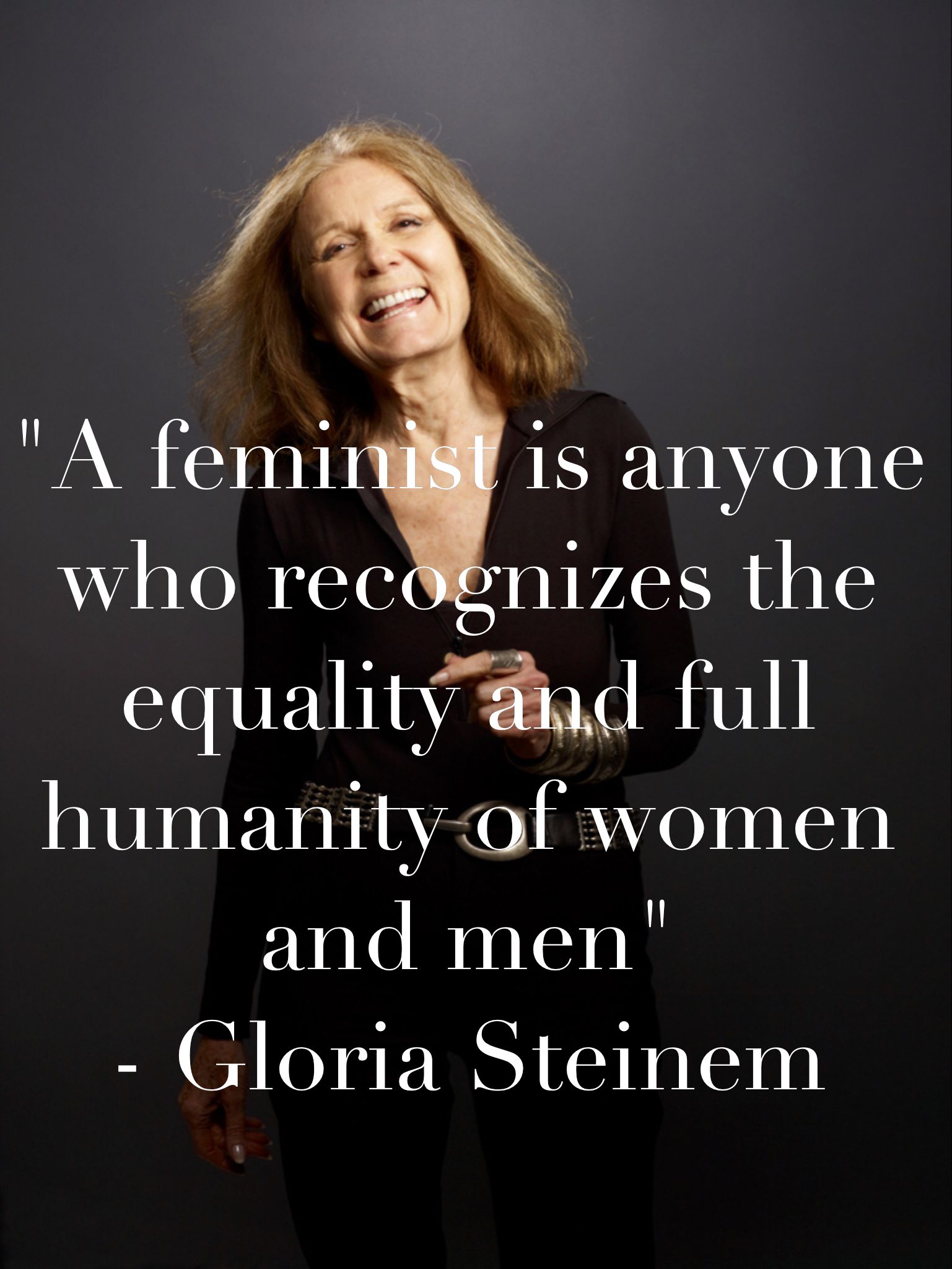
Feminism, a term oft-bandied, frequently misunderstood, and perpetually relevant. It’s not about bra-burning (though if a lady wants to liberate herself from restrictive undergarments, more power to her), nor is it about some fabricated matriarchal conspiracy. Feminism, at its very essence, is about equity. Equal opportunity. Equal respect. The simple, devastatingly complex notion that a person’s gender should not dictate their destiny. Within the vast landscape of feminist thought, distilled into pithy, potent quotations, lies a universe of meaning waiting to be unpacked. Small lines, indeed, but with the potential to detonate seismic shifts in perception.
Why short quotes? In this era of information overload, where attention spans shrink faster than glaciers in July, brevity is not just a virtue, it’s a weapon. A well-crafted, razor-sharp aphorism can cut through layers of prejudice and disinformation, planting a seed of doubt, sparking a moment of epiphany. These aren’t just pretty pronouncements for Pinterest boards; they are concentrated doses of revolutionary thought, designed to infiltrate the collective consciousness.
Let’s delve into the anatomy of a potent feminist quote, dissecting its components and examining its impact. We’ll explore how these miniature manifestos function as catalysts for change, how they challenge ingrained societal norms, and how they resonate across generations.
I. The Disruptive Power of Simplicity: Unveiling the Obvious
Often, the most profound insights are cloaked in deceptive simplicity. A feminist quote that states the obvious can be shockingly effective, forcing us to confront the contradictions and hypocrisies that permeate our daily lives. Think of it as a verbal judo move, using the weight of societal expectations against itself. The beauty lies in the “aha” moment it triggers, the sudden realization that something so plainly evident has been systematically ignored.
Consider a quote like, “A woman’s place is wherever she chooses to be.” It’s not rocket science, is it? Yet, it directly challenges centuries of patriarchal dogma that have confined women to the domestic sphere, limiting their opportunities and stifling their potential. It’s a simple declaration of autonomy, a reclamation of agency. The power resides in its unapologetic assertion of choice. It dismantles the notion of inherent limitations based on gender.
These quotes serve as a constant, low-hum reminder that the societal structures are constructed. They are not immutable laws of nature, etched in stone. They can be questioned, challenged, and ultimately, dismantled.
II. Metaphor as a Missile: Injecting New Perspectives
A well-chosen metaphor can be a devastatingly effective tool for conveying complex ideas in a concise and memorable way. It allows us to bypass the logical defenses of the mind and speak directly to the intuitive self. A feminist quote that employs a potent metaphor can reframe a situation, challenge a prevailing narrative, and offer a completely new perspective.
Imagine a quote that describes the patriarchy as a “gilded cage.” Instantly, a multitude of associations are triggered. The beauty and allure of the cage represent the superficial comforts and privileges that can accrue to women who conform to patriarchal expectations. But the bars represent the limitations, the restrictions, the inherent lack of freedom. The gilded cage metaphor highlights the insidious nature of systemic oppression, the way it can be both seductive and suffocating.
Metaphors act as Trojan horses, smuggling revolutionary ideas past the gatekeepers of ingrained prejudice. They allow us to see familiar situations in a new light, to understand the underlying power dynamics at play.
III. The Personal as Political: Amplifying Individual Voices
One of the cornerstones of feminist thought is the idea that the personal is political. Our individual experiences are shaped by larger societal forces, and our individual struggles are often reflections of systemic inequalities. A feminist quote that speaks to a personal experience can resonate with a wider audience, creating a sense of shared understanding and solidarity.
A quote such as, “I am not free while any woman is unfree, even when her shackles are very different from my own,” speaks volumes. It may encapsulate the essence of intersectional feminism. It acknowledges that oppression takes many forms, and that we cannot truly be liberated until everyone is free. It recognizes the interconnectedness of struggles, the importance of standing in solidarity with those who face different forms of discrimination.
These quotes are a testament to the power of collective experience. They remind us that we are not alone in our struggles, that our individual voices can contribute to a larger chorus of change.
IV. Challenging the Status Quo: Disrupting the Narrative
Feminist quotes are, by their very nature, challenges to the status quo. They question the prevailing norms, disrupt the established narratives, and demand a re-evaluation of societal values. They are designed to provoke thought, to spark debate, to inspire action.
Consider a quote that asks, “Why is ‘ambitious’ a compliment for a man and an insult for a woman?” This simple question exposes the deeply ingrained double standards that operate in our society. It challenges the assumption that women should be content with playing a supporting role, that ambition is somehow unfeminine. It forces us to confront the biases that shape our perceptions of gender and achievement.
These quotes are intellectual grenades, lobbed into the heart of complacency. They shatter the illusion of a just and equitable society, forcing us to confront the uncomfortable realities of power and privilege.
V. Inspiring Action: From Thought to Transformation
Ultimately, the goal of feminist thought is not just to understand the world, but to change it. Feminist quotes can serve as powerful catalysts for action, inspiring individuals to challenge injustice, advocate for equality, and create a more equitable world.
A quote that declares, “Well-behaved women seldom make history,” embodies the spirit of defiance and rebellion that is essential to social change. It encourages women to break free from the constraints of societal expectations, to speak their minds, and to fight for what they believe in. It reminds us that progress is rarely achieved through passive acceptance, but through active resistance.
These quotes are more than just words; they are calls to arms. They are invitations to join a movement, to become agents of change, to create a better future for all.
VI. The Enduring Legacy: Echoes Through Time
The beauty of these short, impactful feminist quotes is their timelessness. They resonate across generations, speaking to the enduring struggles for equality and liberation. They are passed down like torches, illuminating the path forward and reminding us of the battles that have already been fought, and those that remain to be won.
The power of these miniature manifestos lies in their ability to spark conversations, challenge assumptions, and inspire action. They are potent reminders that the fight for equality is far from over, and that every voice, every word, every action, can contribute to a more just and equitable world.
Let us embrace these short quotes, not as mere slogans, but as potent seeds of change, capable of blossoming into a revolution of thought and action. Let them be a constant reminder that the pursuit of equity is a never-ending journey, and that every small line, every single word, can make a big impact.





Leave a Comment