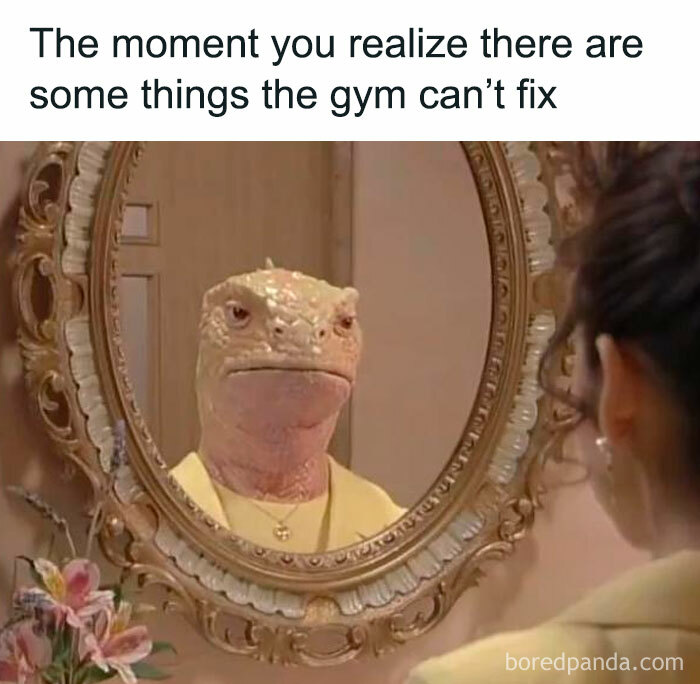
The internet, a cesspool of both the sublime and the utterly ridiculous, has birthed a peculiar phenomenon: the feminist meme. These bite-sized nuggets of digital commentary, often featuring sardonic wit and a healthy dose of righteous indignation, have become a surprisingly potent force in the ongoing battle for gender equality. But why? What is it about a captioned image of a disgruntled cat or a cleverly Photoshopped stock photo that resonates so deeply with a generation grappling with systemic sexism? It’s more than just a fleeting chuckle; it’s a digital rallying cry, a shared moment of recognition in a world that often gaslights women into believing their experiences are isolated incidents, not symptoms of a deeply ingrained societal malaise.
Let’s be frank: the patriarchy is absurd. Its insistence on outdated gender roles, its blatant disregard for women’s autonomy, and its casual perpetuation of misogyny are ripe for parody. Memes, in their inherent absurdity, serve as the perfect vehicle for exposing this ludicrousness. They take the weighty and often infuriating realities of feminist struggles and repackage them into digestible, shareable formats. It’s a form of digital catharsis, a way to laugh in the face of oppression even when you feel like screaming.
Consider the ubiquity of memes that satirize the “man explaining” phenomenon, that particularly galling instance where a man condescendingly explains something to a woman, often something she already knows or is an expert in. These memes, often featuring variations on the phrase “mansplaining,” are universally recognized by women who have experienced this patronizing behavior firsthand. They validate these experiences, transforming them from isolated moments of frustration into a shared understanding of a pervasive societal problem.
Beyond the individual frustrations, feminist memes also tackle broader systemic issues. They dissect the wage gap, the objectification of women in media, the pressure to conform to unrealistic beauty standards, and the pervasive issue of sexual harassment and assault. By distilling these complex issues into simple, relatable images, memes make them accessible to a wider audience, sparking conversations and challenging ingrained biases.
One might argue that memes are frivolous, a superficial form of activism that lacks the substance of more traditional methods. This, however, is a deeply flawed assessment. Memes, while often humorous, are not devoid of substance. They are cultural artifacts, reflections of the zeitgeist, and potent tools for disseminating information and shaping public opinion. They are a form of digital vernacular, a language understood and spoken by a generation raised on the internet. Ignoring their potential is akin to ignoring a powerful and readily available tool in the fight for social justice.
The power of feminist memes lies in their ability to bypass traditional gatekeepers of information. They are not beholden to mainstream media outlets, which often sanitize or downplay feminist issues. They exist outside the control of corporate sponsors, allowing for a more unfiltered and authentic expression of feminist perspectives. They thrive in the decentralized landscape of the internet, spreading virally across social media platforms and reaching audiences that traditional activism might struggle to connect with.
But there’s more to it than just accessibility and virality. Feminist memes foster a sense of community. They create a virtual space where women can connect with each other, share their experiences, and find solidarity in the face of oppression. They offer a sense of belonging, a feeling of not being alone in a world that often tries to silence and marginalize them. This sense of community is crucial for building collective power and mobilizing action.
Furthermore, feminist memes are often incredibly clever. They require a certain level of cultural literacy, a keen understanding of current events, and a sharp wit to create a meme that resonates with a wide audience. They are not simply regurgitating tired feminist tropes; they are engaging in a form of creative activism, using humor and satire to challenge the status quo and subvert patriarchal narratives.
The aesthetics of feminist memes are also noteworthy. They often employ a deliberately lo-fi aesthetic, embracing amateurism and rejecting the polished perfection of mainstream media. This aesthetic choice is often a deliberate act of resistance, a rejection of the pressure to conform to unrealistic beauty standards and a celebration of authenticity and imperfection. It’s a visual reminder that feminism is not about achieving a certain ideal but about challenging the very notion of ideals.
Consider the impact of memes that expose the absurdity of the “pink tax,” the practice of charging women more for products marketed specifically to them. These memes often juxtapose the prices of nearly identical products, highlighting the blatant sexism inherent in this marketing strategy. They are a powerful visual representation of economic inequality, making the issue more tangible and relatable to a wider audience.
Or take the memes that challenge the slut-shaming culture, those insidious attacks on women for their perceived sexual behavior. These memes often reclaim the term “slut” as a badge of honor, celebrating female sexuality and rejecting the patriarchal notion that women should be ashamed of their bodies or their desires. They are a powerful form of defiance, a refusal to be silenced or controlled by societal expectations.
It’s also important to acknowledge the role of intersectionality in feminist meme culture. Memes that address the experiences of women of color, LGBTQ+ women, and women with disabilities are crucial for ensuring that the feminist movement is inclusive and representative of all women. These memes challenge the notion of a monolithic “woman’s experience” and highlight the diverse challenges faced by different groups of women.
Of course, not all feminist memes are created equal. Some can be simplistic or even counterproductive, perpetuating harmful stereotypes or reinforcing existing biases. It’s crucial to engage with feminist memes critically, to question their assumptions, and to be mindful of their potential impact. However, the overall trend is clear: feminist memes are a powerful force for social change, a vital tool in the ongoing struggle for gender equality.
One crucial function that feminist memes perform is the deconstruction of toxic masculinity. By highlighting the ridiculousness and harmfulness of traditional masculine ideals, these memes encourage men to question their own behavior and to challenge the patriarchal norms that perpetuate sexism. They offer a space for men to engage in self-reflection and to consider alternative models of masculinity that are more equitable and compassionate.
Furthermore, feminist memes often serve as a form of digital consciousness-raising. They introduce complex feminist concepts to a wider audience, making them more accessible and understandable. They spark conversations and encourage people to think critically about gender roles, power dynamics, and societal inequalities. They are a gateway to more in-depth engagement with feminist theory and activism.
The ability of feminist memes to go viral is also a testament to their effectiveness. A well-crafted meme can be shared millions of times, reaching audiences across the globe and sparking conversations in unexpected places. This viral potential allows feminist ideas to penetrate mainstream culture and to challenge ingrained biases in a way that traditional activism might struggle to achieve.
However, it’s also important to acknowledge the potential downsides of relying too heavily on memes as a form of activism. Memes, by their very nature, are often superficial and lack nuance. They can oversimplify complex issues and reduce them to easily digestible soundbites. It’s crucial to remember that memes are just one tool in the feminist toolkit, and they should be used in conjunction with other forms of activism, such as grassroots organizing, political advocacy, and educational initiatives.
Despite these limitations, the power of feminist memes cannot be denied. They are a potent force for social change, a vital tool in the ongoing struggle for gender equality. They offer a space for women to connect with each other, to share their experiences, and to find solidarity in the face of oppression. They are a form of digital catharsis, a way to laugh in the face of oppression even when you feel like screaming. And they are a reminder that the fight for gender equality is far from over, but that we are not alone in this struggle.
Ultimately, feminist memes represent a democratization of feminist discourse. They empower individuals to become active participants in the movement, regardless of their background or expertise. They provide a platform for marginalized voices to be heard and amplified. They are a testament to the power of collective action and the potential of the internet to be a force for good. So, the next time you see a feminist meme that makes you laugh, share it. You might just be sparking a revolution, one sardonic image at a time. The digital battlefield for equality is paved with shared giggles and pointed critiques, and every click is a step forward.





Leave a Comment