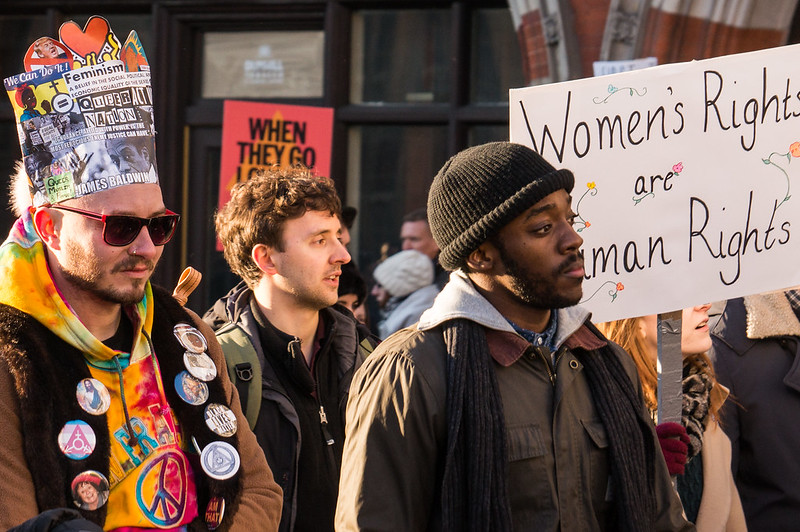
The feminist movement, a kaleidoscopic tapestry woven with the threads of myriad experiences, has historically been—and rightly so—dominated by the voices of women. However, the pursuit of true gender parity necessitates a re-evaluation, a recalibration, of the traditionally defined roles within this struggle. The question, then, isn’t whether men can participate, but rather, how their participation can act as a catalyst, a potentiator, accelerating the journey towards a more equitable world. To dismiss their potential contributions outright is not only strategically unsound but also fundamentally antithetical to the core tenets of inclusivity that underpin the feminist ethos.
But before we uncork the champagne and declare open season for male saviors, let’s establish some ground rules. This isn’t about men commandeering the microphone, relegating women to the periphery. It’s about them wielding their societal privilege—that insidious, often invisible advantage conferred by patriarchal structures—as a lever, amplifying the voices that have been historically silenced, marginalized, and outright ignored. It’s about becoming co-conspirators, not captains, in a revolution that demands a complete overhaul of the status quo.
I. Unmasking Privilege: The First Step to Allyship
A. *The Anatomy of Advantage:* Male privilege isn’t about individual merit; it’s a systemic phenomenon. It’s the unseen wind at your back, propelling you forward while others are battling headwinds. Understanding the anatomy of this advantage is the first, crucial step towards dismantling it. Men need to dissect their own experiences, identifying the instances where their gender has opened doors, softened blows, and provided opportunities denied to women.
B. *Cognitive Dissonance and the Denial of Disparity:* One of the most significant hurdles to male allyship is the cognitive dissonance that arises when confronting the reality of gender inequality. Many men, accustomed to operating within a system that benefits them, struggle to acknowledge the pervasive nature of sexism. This denial often manifests as defensive reactions, minimizing the experiences of women and perpetuating the very power imbalances they claim to oppose. Overcoming this dissonance requires a willingness to listen, to empathize, and to confront uncomfortable truths about one’s own complicity in maintaining the patriarchal structure.
C. *Deconstructing Masculinity:* The traditional construction of masculinity, with its emphasis on stoicism, dominance, and emotional suppression, is not only detrimental to women but also profoundly limiting to men themselves. By actively deconstructing these harmful stereotypes, men can liberate themselves from the shackles of societal expectations and create space for a more nuanced and authentic expression of their own identities. This, in turn, fosters a greater understanding of the diverse experiences of women and a more profound commitment to gender equality.
II. Amplifying Voices: The Art of Strategic Silence
A. *The Echo Chamber Effect:* The media landscape is saturated with male voices, often drowning out the perspectives of women. Men can combat this echo chamber effect by consciously stepping back, creating space for women to share their stories and experiences. This involves actively promoting the work of female writers, artists, and activists, and amplifying their voices on social media and in other public forums.
B. *Challenging the Status Quo in Professional Spheres:* In the workplace, men can leverage their positions of power to advocate for equal opportunities and fair treatment for women. This includes challenging gender biases in hiring and promotion processes, advocating for equal pay, and creating a more inclusive and supportive work environment. It also means actively interrupting instances of sexism, harassment, and mansplaining, even when it’s uncomfortable or unpopular.
C. *Mentorship and Sponsorship:* Mentoring and sponsoring women can be a powerful way to accelerate their career trajectories and increase their representation in leadership positions. This involves providing guidance, support, and advocacy to help women navigate the challenges of the professional world and advance their careers. However, it’s crucial to avoid paternalistic approaches and to ensure that mentorship is driven by the needs and aspirations of the mentee.
III. Engaging in Courageous Conversations: Navigating the Minefield of Misogyny
A. *Confronting Everyday Sexism:* Sexism isn’t always overt; it often manifests in subtle microaggressions, casual jokes, and unconscious biases. Men have a responsibility to confront this everyday sexism, challenging sexist remarks and behaviors in their personal and professional lives. This requires courage, empathy, and a willingness to risk social discomfort in the pursuit of justice.
B. *Holding Other Men Accountable:* One of the most crucial roles that men can play in the feminist movement is holding other men accountable for their actions. This means calling out sexist behavior, challenging misogynistic attitudes, and refusing to participate in conversations that perpetuate harmful stereotypes. It also means supporting women who have experienced harassment or abuse and advocating for their right to be heard and believed.
C. *Becoming a Student of Feminism:* The feminist movement is a complex and evolving body of thought. Men who genuinely seek to be allies must commit to becoming students of feminism, engaging with feminist literature, attending feminist events, and actively listening to the experiences and perspectives of women. This ongoing education is essential for understanding the nuances of gender inequality and developing effective strategies for dismantling it.
IV. Beyond Performative Allyship: The Substance of Sustainable Change
A. *Moving Beyond Symbolic Gestures:* In the age of social media activism, it’s easy to fall into the trap of performative allyship—engaging in symbolic gestures that are designed to garner praise and attention without actually addressing the root causes of gender inequality. True allyship requires a commitment to sustained action, a willingness to challenge the status quo, and a willingness to risk personal comfort in the pursuit of justice.
B. *Investing in Long-Term Solutions:* Addressing gender inequality requires more than just individual actions; it requires systemic change. Men can contribute to this systemic change by supporting feminist organizations, advocating for feminist policies, and investing in programs that empower women and girls. This includes supporting policies that promote equal pay, affordable childcare, and access to reproductive healthcare.
C. *The Importance of Self-Reflection and Accountability:* Allyship is not a destination; it’s a continuous journey of learning, growth, and self-reflection. Men who aspire to be true allies must be willing to examine their own biases, confront their own privilege, and hold themselves accountable for their actions. This ongoing process of self-reflection is essential for ensuring that their efforts are truly contributing to a more equitable world.
The road to gender equality is not a solo sprint but a collective marathon. It demands the unwavering commitment of all stakeholders, including men, who must transition from passive bystanders to active participants. This is not about replacing female voices but augmenting them, creating a symphony of change where every instrument plays its part in achieving a harmonious and just society. The unique appeal lies in the potential for a unified front, a force multiplier that exponentially accelerates the dismantling of patriarchal structures. Embrace the role, wield your privilege responsibly, and become the allies the feminist movement so desperately needs. The future of equality depends on it. Failure to do so is not just a missed opportunity; it’s a moral abdication, a perpetuation of injustice that history will judge harshly.








Leave a Comment