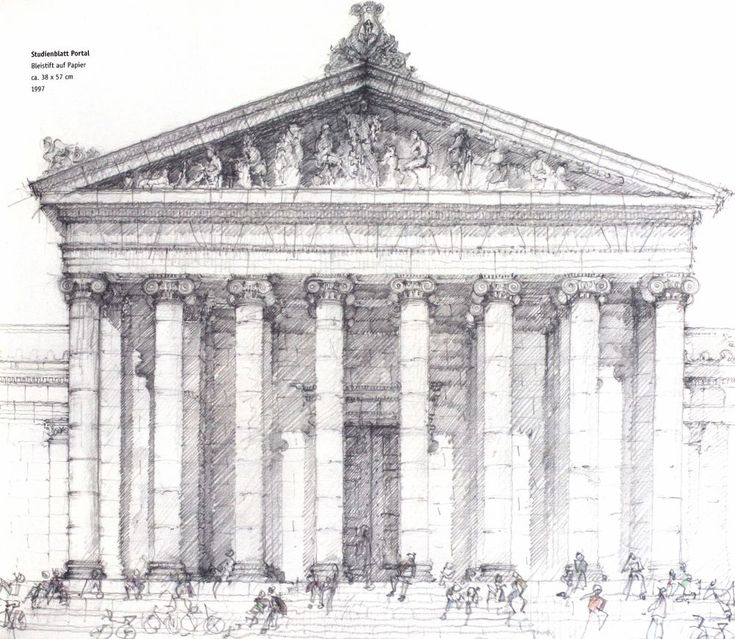
Why do so many architecture firms bear the names of men who sketch? The question lingers, almost like a half-erased pencil line on a blueprint—obvious yet overlooked. These names, etched into firm identities, often evoke images of solitary geniuses hunched over drafting tables, their hands moving with the precision of a conductor’s baton. But what happens when we pause to question the narrative they’ve inscribed into the built environment? What if the act of naming these firms isn’t just a tradition, but a quiet assertion of authority, a way to naturalize the idea that architecture is a domain carved out by men, for men?
The Patriarchal Pedestal: How Names Shape Perception
Architecture has long been a discipline where the myth of the lone male genius thrives. Firms named after men who sketch—whether they’re founders, partners, or even historical figures—reinforce this narrative. It’s not just a label; it’s a branding strategy that elevates individualism over collaboration, and masculinity over the collective labor of diverse teams. When a firm is called “Smith & Associates” or “The Wright Studio,” it subtly suggests that the firm’s identity is synonymous with the vision of one man, even if the reality is far more nuanced. This naming convention doesn’t just reflect history—it actively shapes how we perceive the profession.
The problem isn’t just in the names themselves, but in the stories they tell. They imply that architecture is a solitary pursuit, a field where breakthroughs are the product of a single mind rather than the result of teamwork, mentorship, and interdisciplinary collaboration. It’s a narrative that erases the contributions of women, non-binary designers, and marginalized voices who have historically been sidelined in the profession. The act of naming becomes a form of architectural gaslighting—making us believe that these firms were built by men alone, when in reality, they were constructed by many hands.
The Sketch as a Symbol: Power, Privilege, and the Drafting Table
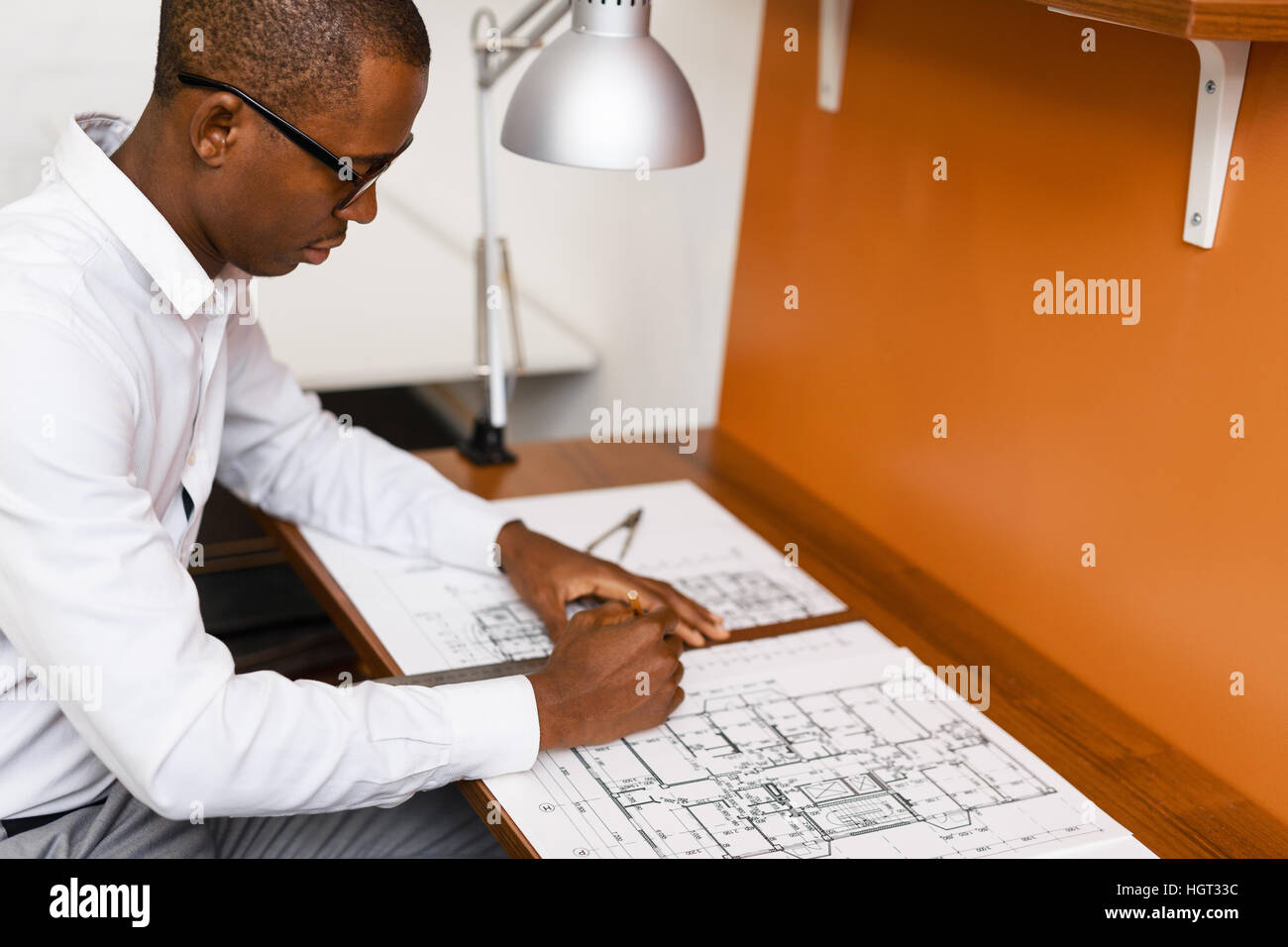
The image of a man sketching is deeply embedded in the iconography of architecture. It’s a pose of control, of creation, of ownership over space and form. But who gets to hold the pencil? Who gets to be the one whose hand is immortalized in the firm’s logo? The sketch, in this context, becomes more than a tool—it’s a symbol of power. It represents the authority to define what gets built, how it’s designed, and who gets to occupy the spaces created.
Consider the gendered implications of this imagery. When we see a man sketching, we’re not just looking at a drawing; we’re looking at a statement. It’s a declaration that architecture is a male domain, that the act of creation is inherently tied to masculinity. This isn’t just about representation; it’s about the way these images shape our expectations of who belongs in the profession. They reinforce the idea that architecture is a field for those who can claim the role of the visionary genius, a role that has historically been reserved for men.
What if we flipped the script? What if the sketch wasn’t a symbol of individual genius, but of collective labor? What if the drafting table wasn’t a throne for one, but a roundtable where ideas are shared, debated, and refined? The problem isn’t the sketch itself—it’s the way it’s weaponized to uphold a hierarchy that benefits a select few.
The Erasure of Women in Architectural History
Women have been designing buildings for centuries, yet their names are often missing from the annals of architectural history. When firms are named after men who sketch, they contribute to this erasure by reinforcing the idea that architecture is a field created by men, for men. This isn’t just a historical oversight—it’s an active process of exclusion. By centering male names in firm identities, we’re complicit in a system that privileges certain voices while silencing others.
The consequences of this erasure are far-reaching. It affects who gets hired, who gets promoted, and who gets credit for their work. It shapes the way students perceive the profession, leading them to believe that architecture is a field where men dominate and women are outliers. It also affects the way the public perceives architecture, reinforcing the idea that buildings are the product of male genius rather than the result of diverse collaboration.
But what if we challenged this narrative? What if we demanded that firms acknowledge the full spectrum of their contributors, not just the men whose names are etched into their letterheads? What if we redefined what it means to be an architect, not as a solitary genius, but as a collaborator, a listener, a builder of communities?
The Illusion of Neutrality: Why Naming Matters
There’s a dangerous assumption that naming is neutral—that the act of calling a firm “The Smith Group” or “The Wright Studio” is just a matter of branding, devoid of deeper meaning. But naming is never neutral. It’s an act of power, a way to claim space and authority in a field that has long been dominated by men. When firms are named after men who sketch, they’re not just choosing a name—they’re making a statement about who belongs in architecture and who doesn’t.
The illusion of neutrality is one of the most insidious tools of patriarchal systems. It allows us to ignore the ways in which language shapes our perceptions, our expectations, and our realities. By treating firm names as if they’re just labels, we overlook the ways in which they reinforce hierarchies, exclude marginalized voices, and uphold the status quo. The act of naming isn’t just a formality—it’s a political act, one that has real-world consequences for who gets to shape the built environment.
So what’s the alternative? It’s not about erasing names altogether, but about rethinking what those names represent. What if firms named themselves after their values, their communities, or the principles that guide their work? What if they acknowledged the full spectrum of their contributors, not just the men whose names are etched into their identities? The built environment doesn’t belong to a select few—it belongs to all of us. And it’s time our firm names reflected that.
The Challenge Ahead: Redefining Architectural Identity
The question isn’t just why architecture firms are named after men who sketch—it’s what we’re going to do about it. The challenge ahead is to redefine what architectural identity looks like, to move beyond the myth of the lone male genius and embrace a more inclusive, collaborative vision of the profession. This isn’t just about changing names; it’s about changing the stories we tell about architecture, the values we uphold, and the people we center in our narratives.
It’s about recognizing that the built environment is the product of many hands, many minds, and many voices. It’s about acknowledging that the act of creation isn’t the domain of a select few, but a collective endeavor that belongs to all of us. And it’s about demanding that our firm names reflect that reality, not the outdated myths that have long dominated the profession.
The next time you see a firm name etched into a building or a website, ask yourself: Who gets to be the visionary here? Who gets to hold the pencil? And what stories are we telling about the profession when we center men who sketch in our narratives? The answers might just reveal the cracks in the foundation of a system that’s long overdue for a redesign.












Leave a Comment