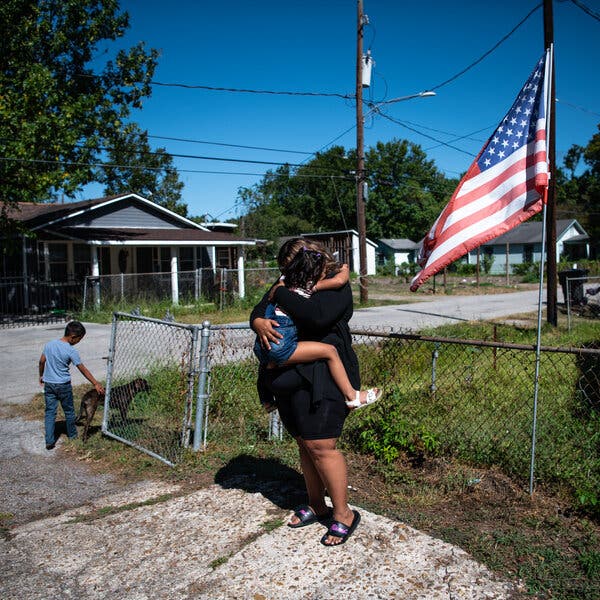
What if I told you that the most brutal border patrol isn’t made of barbed wire and armed guards, but of bureaucratic ink and political indifference? That the real cages aren’t steel and concrete, but spreadsheets and policy memos? The immigration policies that separate mothers from their children are not just cruel—they are a calculated, systemic erasure of maternal love, designed to break spirits before they even have a chance to fight back. These are not accidents of governance; they are weapons of psychological warfare, wielded with cold precision against the most vulnerable among us.
When Policy Becomes a Weapon: The Machinery of Separation
Imagine a mother cradling her child’s feverish forehead in a shelter that smells of antiseptic and despair. Now imagine that same mother being told, with bureaucratic calm, that her child has been “temporarily relocated for processing.” Temporary. A word so flimsy it barely registers as a lie. The machinery of separation doesn’t announce itself with sirens—it hums, a quiet, relentless drone of forms and fingerprints, until one day, the child is gone. No warning. No explanation. Just a number, a case file, and the crushing weight of a system that treats motherhood as a crime.
This isn’t just about borders. It’s about the slow, suffocating erasure of maternal identity. When a mother is separated from her child, she isn’t just losing physical proximity—she’s losing the very essence of her role. The lullabies she sang, the scraped knees she kissed, the bedtime stories she recited—all of it becomes irrelevant. The state doesn’t just take the child; it steals the narrative of the mother’s love, replacing it with a cold, clinical detachment. What does it mean to be a mother when the world insists your child is no longer yours?
The Myth of “Child Welfare”: How the State Plays Parent
They’ll tell you it’s for the child’s safety. That the government knows best. That separating families is a necessary evil to “protect” the innocent. But let’s be clear: this is not child welfare. This is child trafficking by another name. The state doesn’t care about the child’s well-being—it cares about control. It cares about compliance. It cares about making sure that no mother, no matter how desperate, dares to cross an invisible line again.
Consider the psychological toll. A child ripped from their mother’s arms doesn’t just cry—they scream. They cling. They beg. And when they’re taken, they don’t understand why. They don’t know if they’ll ever see their mother again. Meanwhile, the mother is left in a purgatory of uncertainty, her mind a storm of worst-case scenarios. Is her child being fed? Is she being comforted? Is she being taught to hate her own mother, as the state so often does to the incarcerated? The system doesn’t just separate families—it weaponizes maternal anxiety, turning love into a liability.
And let’s not forget the hypocrisy. The same governments that claim to champion “family values” are the ones tearing families apart at the seams. They preach about the sanctity of motherhood while building detention centers that double as psychological torture chambers. They quote scripture about compassion while their policies drip with cruelty. The message is clear: some mothers are disposable. Some children are collateral.
The Long Shadow of Separation: Trauma That Lasts Generations
Trauma doesn’t just vanish when the paperwork is filed. It lingers, a specter that haunts both mother and child for decades. Studies have shown that children separated from their parents exhibit higher rates of anxiety, depression, and PTSD. But the damage doesn’t stop there. These children grow up with a void where their mother’s love should be—a void that shapes their relationships, their trust, their very sense of self. They become adults who struggle to form attachments, who flinch at the touch of a loved one, who carry the weight of abandonment like a second skin.
And the mothers? They don’t fare much better. Many are left with a grief so profound it borders on the pathological. They lose weight. They stop sleeping. They develop chronic illnesses, their bodies betraying them under the strain of unanswered pleas and unanswered prayers. Some never recover. They become hollowed-out shells of who they once were, their identities reduced to a single, devastating question: Why wasn’t I enough?
This isn’t just a policy failure—it’s a generational curse. The children who are separated today will carry the scars of this cruelty into their adulthood, and their children will inherit them. The state doesn’t just separate families in the moment; it ensures that the trauma echoes through time, a legacy of pain that no amount of time or therapy can fully erase.
Resistance in the Cracks: How Mothers Fight Back
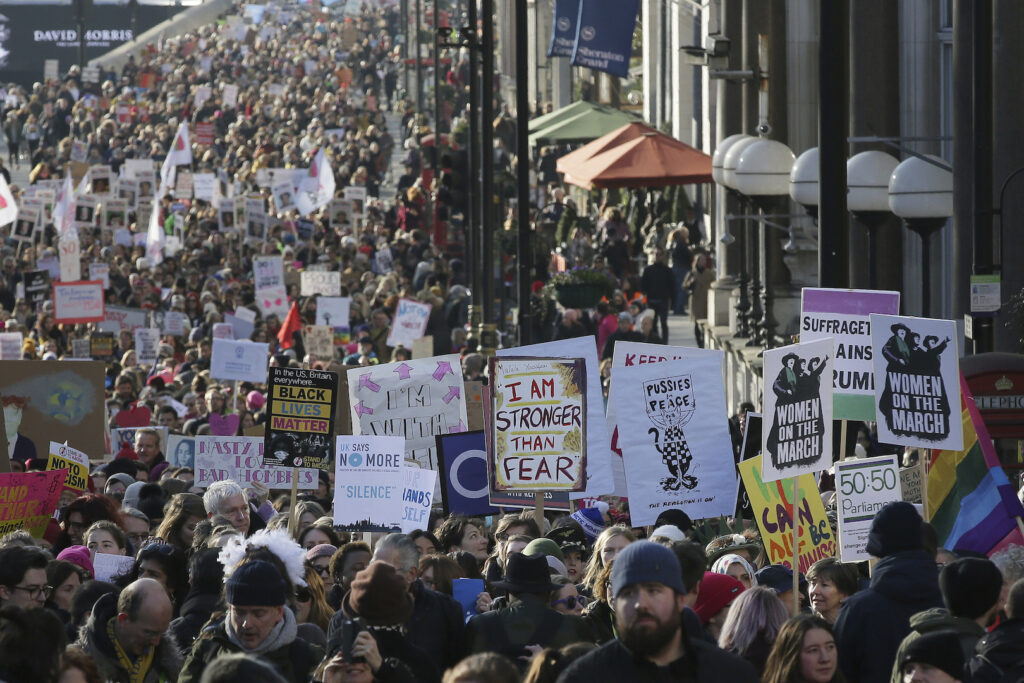
But here’s the thing about oppression: it always leaves cracks. And in those cracks, resistance grows. Mothers separated from their children are not passive victims—they are warriors. They organize. They protest. They demand. They refuse to let their children be erased. From the mothers who chain themselves to detention center gates to the ones who turn their grief into art, into poetry, into movements, they are rewriting the narrative of what it means to be a mother under siege.
There are the mothers who smuggle messages to their children in the most ingenious ways—hidden in drawings, whispered through phone lines, carried by sympathetic strangers. There are the ones who, against all odds, reunite with their children, their love proving stronger than the state’s machinery. And there are the collective voices rising in unison, demanding accountability, demanding justice, demanding that no mother ever again has to watch her child disappear into the bureaucratic abyss.
The fight isn’t just about reunification—it’s about reclaiming humanity. It’s about refusing to let the state define what love looks like. It’s about screaming into the void until someone, somewhere, is forced to listen.
What If We Refused to Look Away?
So here’s a question to sit with: What if we all decided, right now, to stop looking away? What if every time a policy was proposed that would separate mothers from their children, we rose up in outrage? What if we treated every child in a cage as if they were our own? What if we made it politically untenable for any leader to even consider such cruelty?
The answer isn’t complicated. It’s just hard. It requires empathy. It requires action. It requires a refusal to accept the status quo as inevitable. The mothers separated from their children aren’t asking for miracles—they’re asking for the basic human decency that every child, every mother, deserves. And if we can’t give them that, then what, exactly, are we fighting for?
Perhaps the real question isn’t whether we can stop these policies—it’s whether we’re willing to try. Because the alternative isn’t just unacceptable. It’s a betrayal of everything we claim to stand for.





Leave a Comment