
The moment she stepped into the courtroom, the weight of centuries settled upon her shoulders—not in the form of a gavel, but in the folds of a robe that draped her like a second skin. It was not the fabric that chafed, but the absence of what it refused to carry. Pockets. Those small, unassuming slits in a garment’s seams, where one might tuck away a pen, a notebook, a whispered note of reassurance. Hers were gone, erased from the design as if her presence in the hallowed space of justice demanded she shed even the most mundane utilities of autonomy. This was not merely a sartorial choice; it was a silent edict, a reminder that the robes of authority were tailored for a different kind of body—one that did not need to carry the weight of the world in its folds.
The Symbolic Erasure of Pockets: A Metaphor for Institutional Exclusion
Pockets are not frivolous. They are the quiet accomplices of rebellion, the silent witnesses to the small acts of defiance that punctuate daily life. A woman reaching into her pocket for a tampon in a public restroom. A student slipping a forbidden book between the pages of her notebook. A mother tucking a love note into her child’s coat before school. These are not trivialities; they are the threads that weave the fabric of agency. To deny a judge—any judge—pockets in her robe is to deny her the right to carry even the most benign tools of her trade. No pen to jot down a fleeting thought. No scrap of paper to scribble a reminder. No small, personal talisman to ground her in the storm of rulings and verdicts.
This erasure is not accidental. It is a deliberate act of symbolic castration, a way of ensuring that the robes remain pristine, untouched by the mundane, the personal, the human. The courtroom is a theater of power, and in its script, women are not meant to be fully present. They are to be seen, but not heard; to preside, but not to persist. The absence of pockets is a metaphor for the way institutions have historically treated women—as vessels of authority, but never as beings with needs, desires, or the quiet rebellions that define personhood.
The Robe as Armor—and Its Flaws
The judicial robe is armor. It is the uniform of impartiality, the shield against bias, the barrier between the judge and the chaos of the world outside. But armor, no matter how finely wrought, has its limitations. It does not bend. It does not adapt. It does not accommodate the curves of a woman’s body, the rhythms of her life, the unspoken demands of her role. A man in a robe might carry a handkerchief in his sleeve, a notebook in his breast pocket, a pen tucked behind his ear. A woman? She must leave all that behind, as if her presence in the courtroom is a concession to the system, not a reclamation of it.
Consider the irony: the robe is meant to signify authority, yet it strips away the very tools that might allow a woman to wield that authority with nuance and precision. Without pockets, she cannot carry the small, personal items that anchor her to the world beyond the bench. No lip balm for chapped lips after hours of deliberation. No hair tie to pull back the strands that have escaped her bun. No phone to check the time, to send a quick message, to ground herself in the mundane. The robe becomes a cage, not a cloak, and the woman inside it is expected to perform her duties as if she were a disembodied entity, untethered from the physical realities of existence.
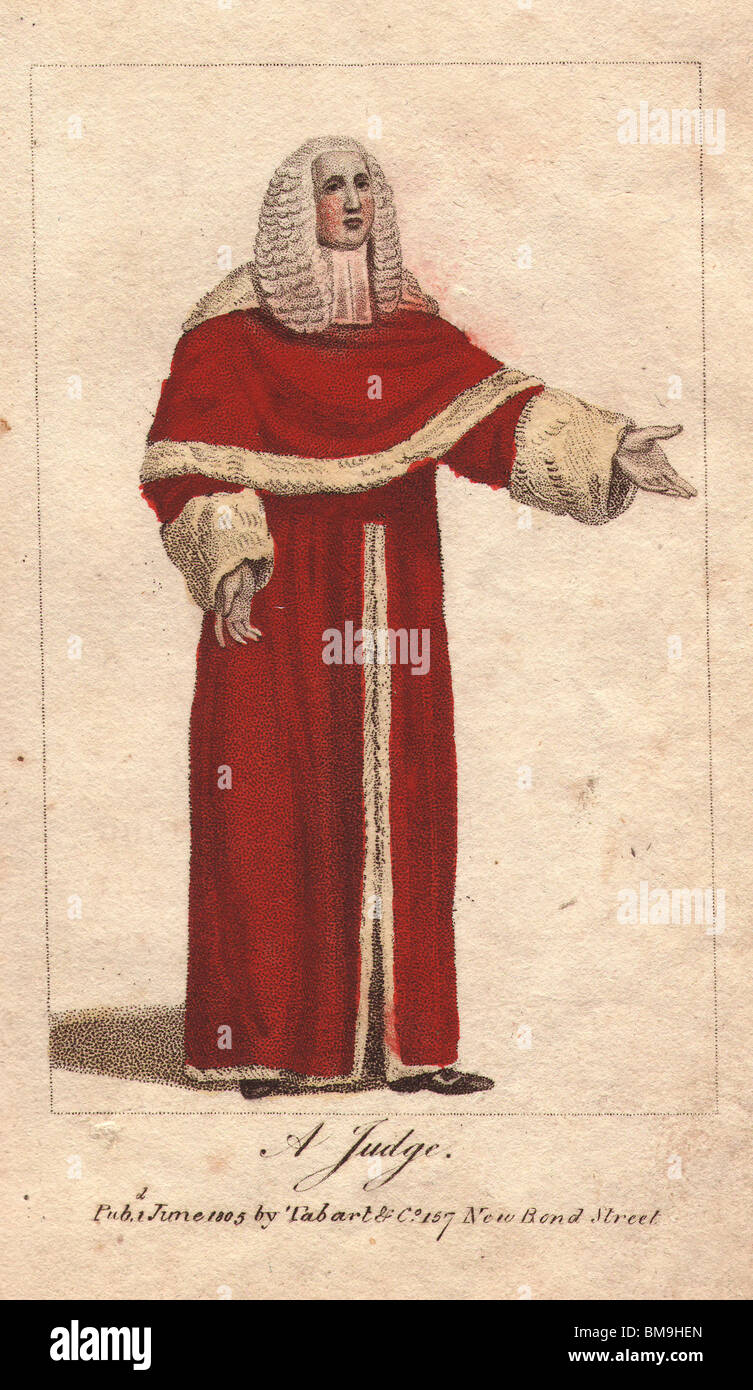
The Historical Weight of the Robe: A Relic of Patriarchy
The judicial robe is not merely a garment; it is a relic, a vestige of a time when power was the exclusive domain of men. Its origins are shrouded in the mists of medieval Europe, where judges wore robes to signify their elevated status, their distance from the common folk. But these robes were not designed with women in mind. They were tailored for men—broad-shouldered, deep-chested, unburdened by the constraints of corsets or the demands of child-rearing. To don such a robe as a woman is to step into a costume that was never meant for you, to perform a role that was never written with your body in mind.
And yet, women have donned these robes, not out of choice, but out of necessity. They have entered the courtroom as interlopers, as exceptions to the rule, and they have done so with a grace that belies the absurdity of the situation. They have presided over cases with the same rigor as their male counterparts, yet they have done so while carrying the invisible burden of a system that refuses to fully accommodate them. The absence of pockets is just one small manifestation of this larger erasure—a reminder that the robes of justice were not designed for women, and that the courtroom remains, in many ways, a space of exclusion.
The Quiet Rebellion of the Modern Judge
And yet, there is rebellion in the air. Modern judges, women and non-binary individuals alike, are beginning to question the unspoken rules of the robe. Some have taken to carrying small, discreet bags into the courtroom—pouches that hang from their belts, hidden beneath the folds of their robes. Others have insisted on modifications to the traditional design, adding subtle pockets or adjusting the fit to better accommodate their bodies. These are not acts of defiance in the grand, theatrical sense; they are quiet, personal revolutions, the kind that happen one stitch at a time.
There is power in these small acts. They are a refusal to be erased, a declaration that the robe does not define the judge. It is merely a garment, a symbol, a tool—not an unassailable edifice of tradition. The modern judge carries her authority not in the absence of pockets, but in the presence of her own agency. She steps into the courtroom not as a supplicant, but as a force to be reckoned with, her robes a testament to her resilience, her adaptability, her refusal to be confined by the limitations of the past.
The Future of the Robe: A Canvas for Change
What, then, is the future of the judicial robe? Will it remain a relic of a bygone era, a symbol of exclusion and erasure? Or will it evolve, becoming a garment that truly reflects the diversity of those who wear it? The answer lies in our willingness to challenge the status quo, to ask uncomfortable questions about who the robe was designed for, and who it continues to serve.
Perhaps the robe of the future will have pockets—not just as a practical addition, but as a symbolic one. A pocket for a pen, a notebook, a small token of personal significance. A pocket to remind the judge, and the world, that she is not just a vessel of authority, but a person with needs, desires, and the quiet rebellions that make her human. The robe could become a canvas for change, a way to reimagine justice not as a rigid, unyielding force, but as a living, breathing entity that adapts to the needs of those who uphold it.
Until then, the absence of pockets remains a silent indictment of the system that produced it. But it is also a call to action. A reminder that the robes of justice are not inviolable. That they can be challenged. That they can be changed. And that the women who wear them are not just participants in the system—they are its architects, its reformers, its future.









Leave a Comment