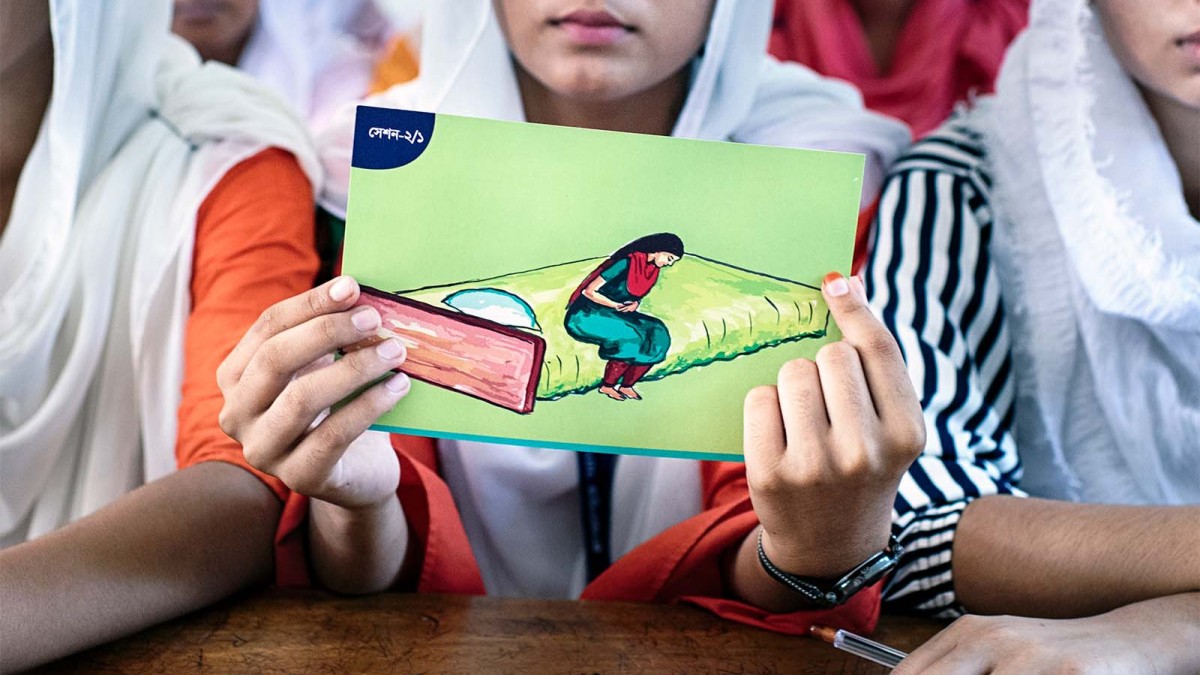
In the quiet corners of boardrooms, in the sterile glow of hospital corridors, and in the whispered conversations between friends, one crisis festers—unseen, unspoken, yet as pervasive as the tides. Period poverty isn’t just about the lack of sanitary products; it’s a silent pandemic that erodes dignity, health, and opportunity. It’s the girl in rural India who misses school because she can’t afford pads. It’s the single mother in Chicago choosing between tampons and groceries. It’s the refugee in Jordan trading food rations for menstrual supplies. This isn’t just a matter of affordability—it’s a systemic failure, a global health crisis disguised as a taboo.
The Invisible Tax on Womanhood
Every month, billions of people with uteruses are subjected to what economists call the “tampon tax”—a regressive levy that treats menstrual products as luxury items rather than necessities. But the cost isn’t just financial. It’s the time lost navigating shame, the mental toll of secrecy, the physical toll of improvised solutions like rags or leaves. In some cultures, menstruation is still whispered about as a curse, a punishment, or a source of contamination. This stigma isn’t just cultural; it’s a tool of oppression, designed to keep people trapped in cycles of poverty and silence.
The Body as a Battleground
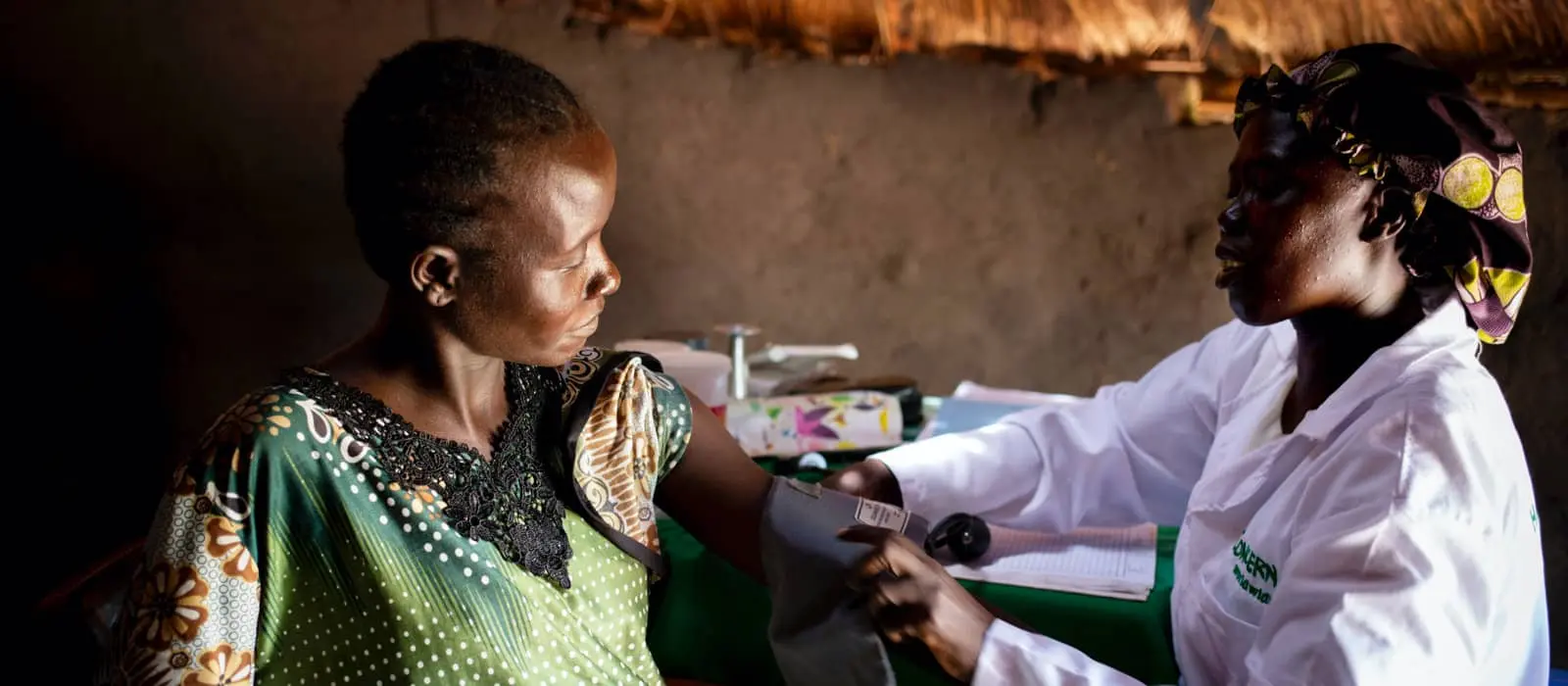
Period poverty isn’t just about missing work or school—it’s about the body’s rebellion against neglect. Without access to clean, safe products, infections fester. Toxic shock syndrome lurks in the shadows of improper tampon use. Skin burns from cheap, synthetic pads. The immune system weakens under the strain of chronic stress and malnutrition. And yet, we treat these symptoms as individual failures rather than collective responsibilities. The human body, in its most vulnerable state, becomes a battleground for a crisis we refuse to name.
Consider the irony: while pharmaceutical companies profit from hormonal birth control, they turn a blind eye to the fact that millions can’t afford the basics to manage their cycles. The medical establishment, too, often dismisses menstrual health as “women’s issues,” relegating it to the periphery of research and care. How many misdiagnosed endometriosis cases could have been prevented if periods weren’t treated as a nuisance rather than a vital sign?
The Education Gap: Stealing Futures One Cycle at a Time
In sub-Saharan Africa, girls miss up to 20% of their education due to lack of menstrual products. In parts of South Asia, schools lack functional toilets, forcing students to stay home during their periods. This isn’t just a loss of days—it’s a loss of potential. A girl who drops out of school is more likely to marry young, face early pregnancy, and remain trapped in poverty. Period poverty isn’t just a health issue; it’s an economic one, a social one, a feminist one. It’s the reason why, in 2024, we still have to fight for something as basic as the right to learn while bleeding.
The Corporate Exploitation of Shame
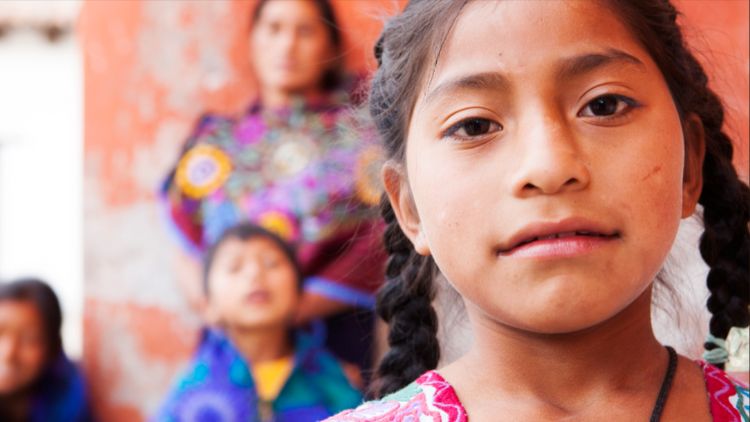
Capitalism thrives on shame. It sells us the idea that periods are dirty, that bodies are flawed, that we must hide our natural functions behind layers of plastic and secrecy. The menstrual product industry is a billion-dollar machine built on the backs of people who’ve been conditioned to believe they’re burdens. “Feminine hygiene” is a misnomer—it’s a euphemism for a system that profits from our discomfort. And while some brands now offer “organic” or “eco-friendly” options, the core issue remains: why should anyone have to pay to exist in their own body?
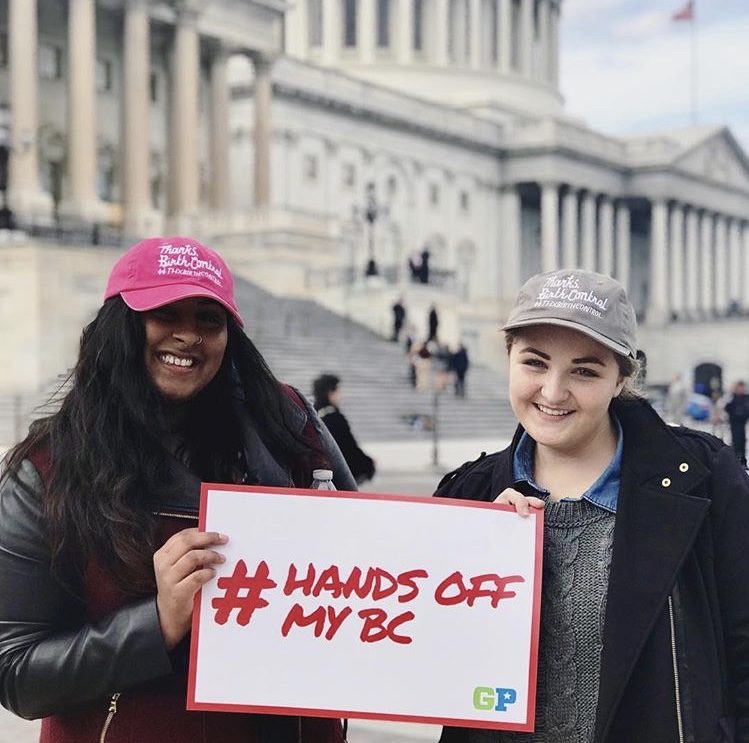
The rise of “period influencers” and “menstrual activism” is a double-edged sword. On one hand, it’s empowering to see these conversations enter the mainstream. On the other, it risks turning a crisis into a trend, a political issue into a marketable aesthetic. The pinkwashing of activism is real—companies slap a feminist slogan on a product and call it a day, while doing little to address the root causes of period poverty. True change requires more than performative allyship; it demands systemic overhaul.
The Global North’s Complicity in Silent Suffering
We in the Global North like to pat ourselves on the back for “progress,” but our wasteful consumption fuels the crisis abroad. Disposable pads and tampons, laden with plastic and chemicals, are often shipped to low-income countries as “donations”—only to clog waterways and poison ecosystems. Meanwhile, Indigenous communities in the Arctic face mercury contamination from discarded products, while women in refugee camps trade dignity for survival. The Global North’s period poverty isn’t just about access; it’s about accountability. We can’t claim to care about “women’s rights” while exporting our waste and our shame.
The Radical Act of Normalization
Ending period poverty isn’t just about handing out free pads—it’s about dismantling the structures that make them necessary in the first place. It’s about teaching children about menstruation before they hit puberty, so no one grows up believing their body is a curse. It’s about demanding free products in schools, workplaces, and public restrooms. It’s about recognizing that menstrual health is a human right, not a privilege. And it’s about refusing to let shame dictate our policies, our products, or our lives.
The next time you see a tampon commercial, ask yourself: who is being left out of this picture? The next time you hear someone joke about “that time of the month,” challenge them. The next time you vote, research where your representatives stand on menstrual equity. This isn’t just a women’s issue—it’s a human issue. And it’s long past time we treated it like one.









Leave a Comment