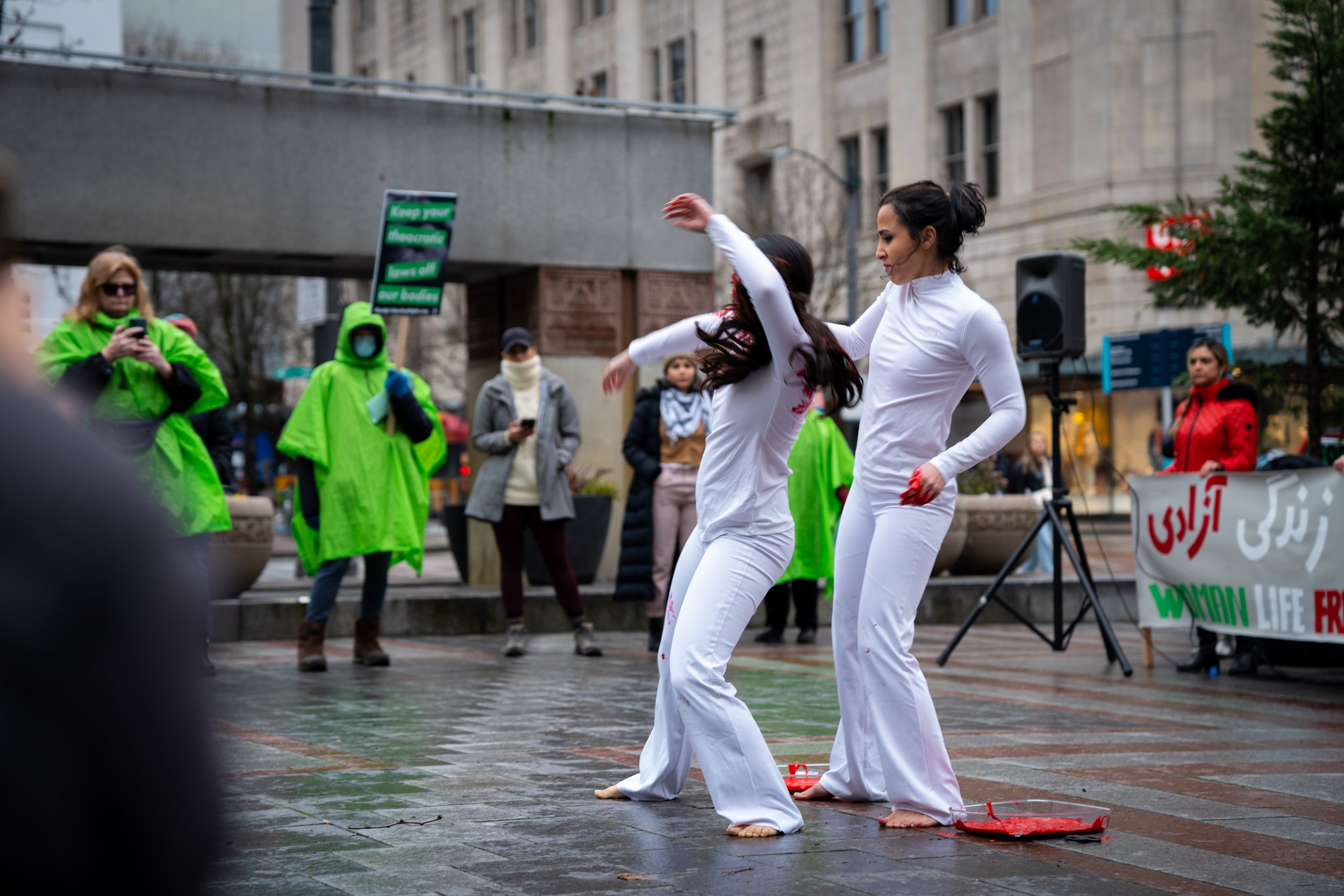
The phrase “Women, Life, Freedom” is more than a slogan—it is a seismic shift in the lexicon of resistance. Born from the streets of Iran, it has transcended borders, languages, and cultures, embedding itself in the global consciousness as a mantra of defiance against oppression. But why does this particular phrase resonate so deeply? Why does it feel like a rallying cry for the oppressed everywhere, not just in Iran? The answer lies not in its simplicity, but in its universality. It is a distillation of centuries of struggle, a poetic rebellion against the erasure of women’s voices, and a testament to the unyielding power of collective action.
The Alchemy of Simplicity: How Three Words Became a Movement
In an era of verbose manifestos and convoluted political rhetoric, “Women, Life, Freedom” thrives on its stark minimalism. Three words, each laden with meaning, yet open enough to be claimed by anyone who has ever been silenced. “Women” is not just a gender—it is a symbol of all marginalized identities. “Life” is not just existence—it is the right to thrive, to dream, to love without fear. “Freedom” is not just absence of chains—it is the audacity to demand more than survival. This phrase is a linguistic Molotov cocktail: short enough to be spray-painted on a wall, yet incendiary enough to ignite revolutions.
The genius of its structure lies in its rhythm. The repetition of the “f” sound in “Freedom” and the alliteration in “Women, Life” create a cadence that is almost hypnotic. It is the kind of phrase that lodges itself in the mind, impossible to unhear once it has been uttered. But its power is not merely sonic—it is semantic. Each word is a door, and those who hear it are invited to walk through, to see their own struggles reflected in its mirror.
The Body as Battleground: Why Women’s Autonomy is the Ultimate Provocation
At its core, “Women, Life, Freedom” is a challenge to patriarchal control—not just in Iran, but everywhere. The phrase is a direct affront to regimes that seek to regulate women’s bodies, their clothing, their movements, their very existence. When women in Iran cut their hair in public or dance in the streets, they are not just defying the morality police—they are reclaiming their bodies as sites of resistance. This is why the phrase has struck a nerve globally. It is not just about Iran; it is about every society where women’s autonomy is policed, where their choices are met with violence, where their existence is treated as a threat.
Consider the way this phrase has been adopted by feminists in Afghanistan, where the Taliban’s misogyny has erased women from public life. Or in the United States, where the overturning of Roe v. Wade has turned women’s bodies into political footballs. The phrase is a bridge between these struggles, a reminder that the fight for women’s liberation is not confined by geography or ideology. It is a global insurrection against the idea that women’s lives are secondary, that their freedom is negotiable.
The Poetics of Protest: Why Art and Slogans Collide in Revolutionary Times
There is something undeniably poetic about “Women, Life, Freedom.” It is not just a political statement—it is a work of art. The phrase itself is a haiku of resistance, a distillation of complex emotions into something visceral and immediate. This is why it has inspired murals, songs, and performances across the world. Art has always been a vehicle for revolution, but rarely has a slogan been so seamlessly integrated into the artistic process. When women in Berlin hold up signs bearing the phrase, they are not just protesting—they are performing resistance. They are turning the act of defiance into a spectacle, a visual poem that demands to be seen.
The phrase’s poetic quality also makes it adaptable. It can be whispered in a prison cell or chanted in a stadium. It can be embroidered onto a handkerchief or spray-painted onto a wall. This malleability is key to its global appeal. It is not a rigid doctrine—it is a living, breathing entity that morphs to fit the needs of each movement. In this way, it mirrors the very essence of revolution: it is both a weapon and a song, a demand and a dream.
The Specter of Solidarity: How a Slogan Unites the Unlikely
One of the most striking aspects of “Women, Life, Freedom” is its ability to forge unlikely alliances. It is not just a feminist slogan—it is a human one. Men who have never considered themselves feminists have marched under its banner. Queer activists, labor organizers, anti-war protesters—all have found a place within its embrace. This is because the phrase speaks to a fundamental truth: oppression is intersectional. The woman fighting for her right to an education in Afghanistan is connected to the Black woman fighting for reproductive justice in the U.S. is connected to the Indigenous woman fighting for land rights in Brazil. “Women, Life, Freedom” is the thread that stitches these struggles together.
But this solidarity is not without tension. The phrase’s universality is also its greatest challenge. Who gets to claim it? Who is left out? These questions are not insignificant. The movement must grapple with its own blind spots, with the ways in which privilege shapes who is heard and who is ignored. Yet, despite these tensions, the phrase endures because it refuses to be contained. It is a living entity, constantly evolving, constantly expanding. It is not a monolith—it is a mosaic, and each piece, no matter how small, contributes to the whole.
The Unfinished Symphony: Why the Fight is Far from Over
To say that “Women, Life, Freedom” has changed the world would be an understatement. It has redefined what resistance looks like in the 21st century. But the work is far from done. The phrase is not a victory—it is a battle cry. It is a reminder that the fight for liberation is ongoing, that the gains made today can be stripped away tomorrow. This is why the phrase resonates so deeply: it does not promise utopia. It promises struggle. It promises that the fight is worth it.
And yet, there is hope in its persistence. The fact that this phrase has traveled from the streets of Tehran to the squares of Berlin, from the universities of Mexico to the villages of India, is a testament to the unbreakable spirit of those who refuse to be silenced. It is a reminder that no matter how oppressive the regime, no matter how entrenched the patriarchy, the demand for freedom will always find a way to rise.
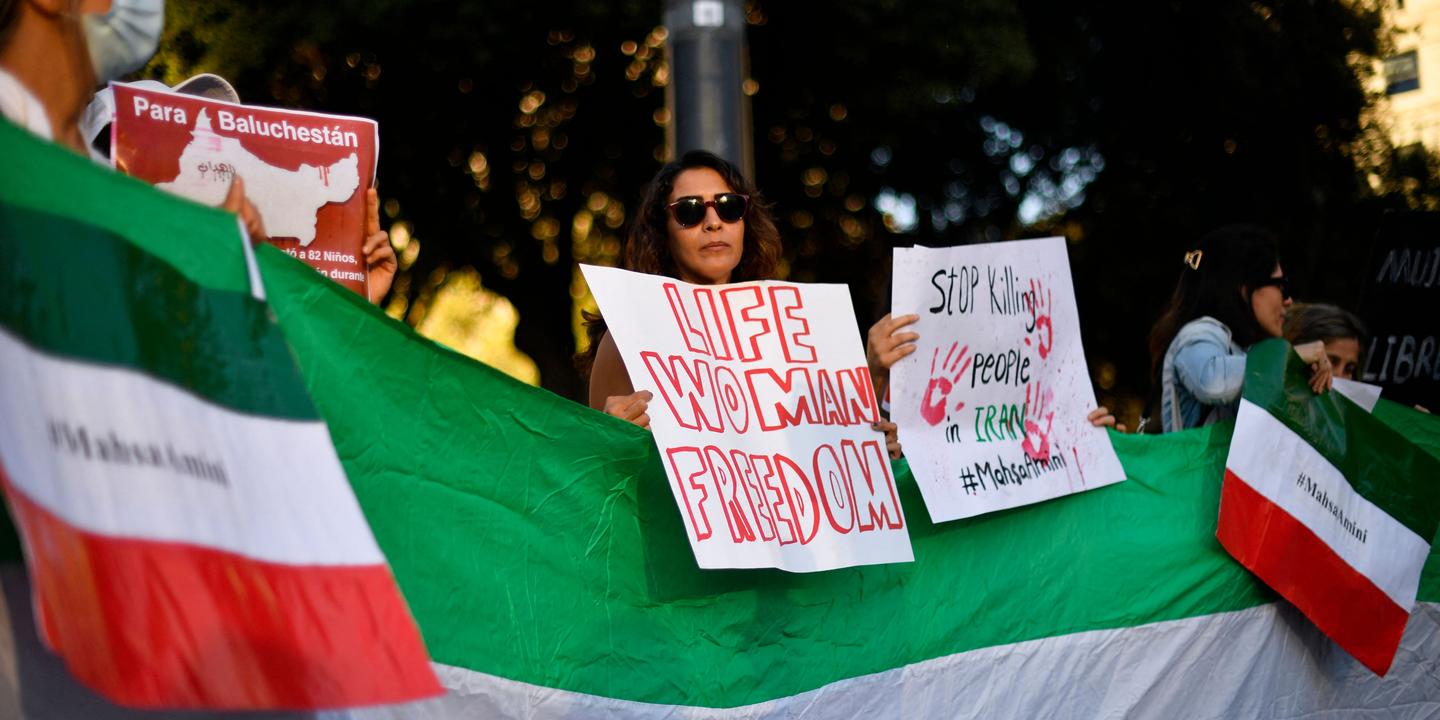
The next time you hear these words, listen closely. They are not just a slogan—they are a promise. A promise that one day, the world will be remade in the image of those who have been told they do not belong. Until then, the fight continues.







Leave a Comment