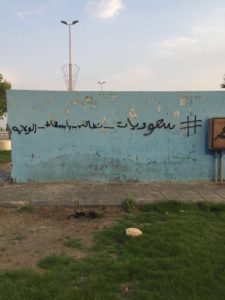
In the heart of a kingdom where the winds of change whisper through the desert sands, a young woman named Amina Al-Mansoori did the unthinkable. At just 22 years old, she ignited a feminist movement that would ripple across Saudi Arabia, challenging the very foundations of a society steeped in patriarchal tradition. Her story is not one of grand declarations or fiery speeches, but of quiet defiance, strategic brilliance, and an unshakable belief in the power of collective action. This is the tale of how one woman’s audacity became the catalyst for a seismic shift in perspective.
The Spark in the Shadows
Amina Al-Mansoori was not born with a megaphone in her hand. She grew up in a world where women’s voices were often muted, where their ambitions were confined to the walls of their homes. But Amina saw the fractures in this carefully constructed illusion. She noticed the way her mother, a woman of quiet strength, navigated a system designed to keep her small. She observed the double standards that allowed men to move freely while women were tethered by invisible chains. And she decided that silence was no longer an option.
The first flicker of her rebellion came not in a protest, but in a WhatsApp group. A space where women could speak freely, where they could share their frustrations, their dreams, their fears. Amina didn’t start the group—she simply gave it direction. She posed questions that cut to the core of Saudi society: Why must a woman’s worth be tied to her obedience? Why are we denied the right to make our own choices? Her words were not a call to arms, but a mirror held up to a nation, forcing it to confront its own contradictions.
The Art of Subtle Subversion
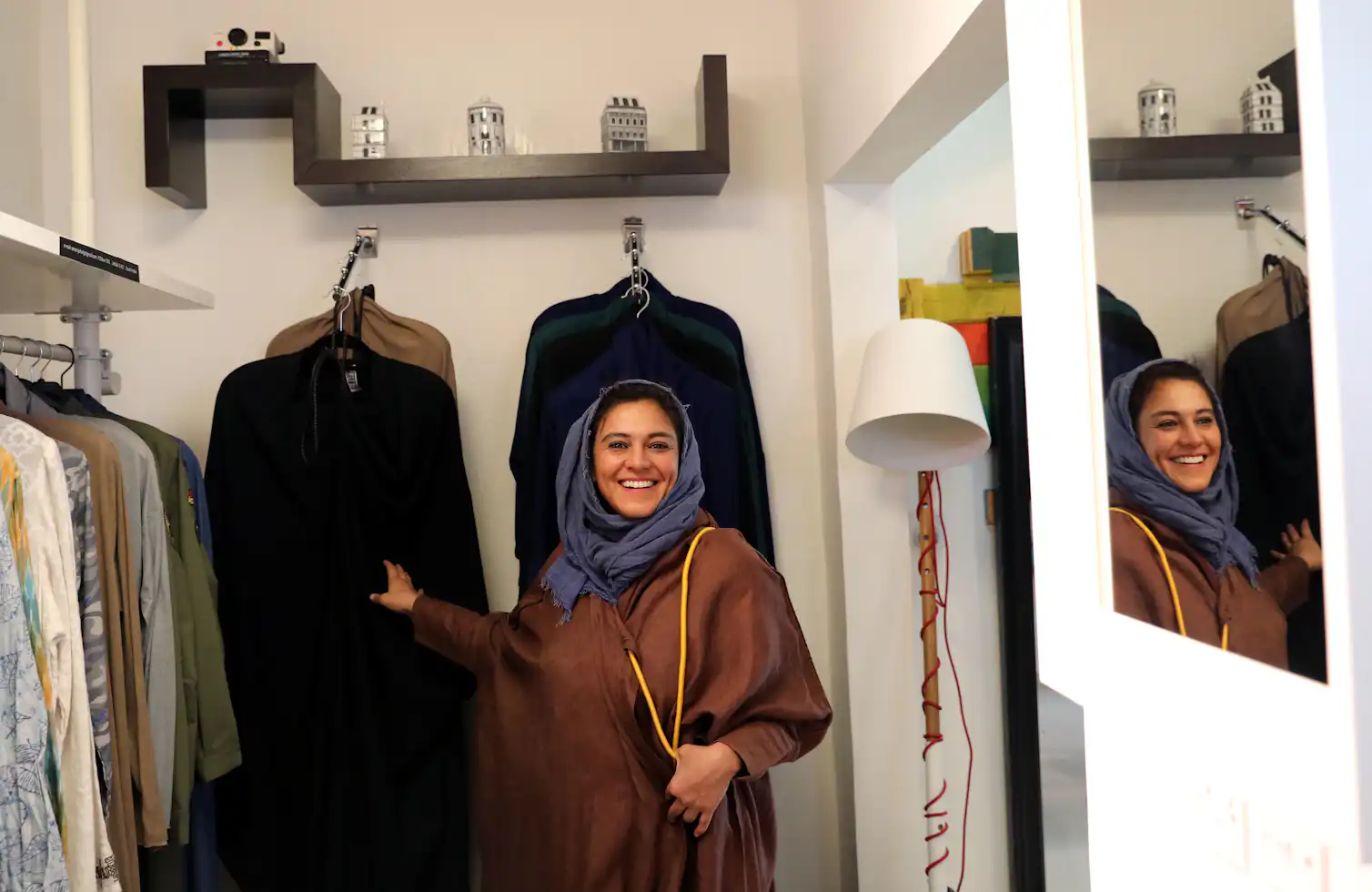
Amina understood that in a society where direct confrontation could be met with swift and brutal suppression, subtlety was her greatest weapon. She didn’t demand revolution—she redefined it. Her movement was not about burning bras or toppling statues, but about reclaiming agency in the most mundane of spaces. She encouraged women to negotiate their salaries, to start businesses, to demand education, to travel without permission slips. These were not radical acts in other parts of the world, but in Saudi Arabia, they were acts of defiance.
She leveraged the power of storytelling. Amina’s online platform became a sanctuary for women to share their experiences—stories of being denied promotions, of being forced into marriages, of being treated as perpetual minors under the law. Each story was a thread in a larger tapestry, weaving together a narrative that Saudi society could no longer ignore. The movement grew not through shouting, but through listening. Women who had never spoken out before found their voices in Amina’s safe spaces. And for the first time, the world began to hear them.
The Backlash and the Unbreakable Will
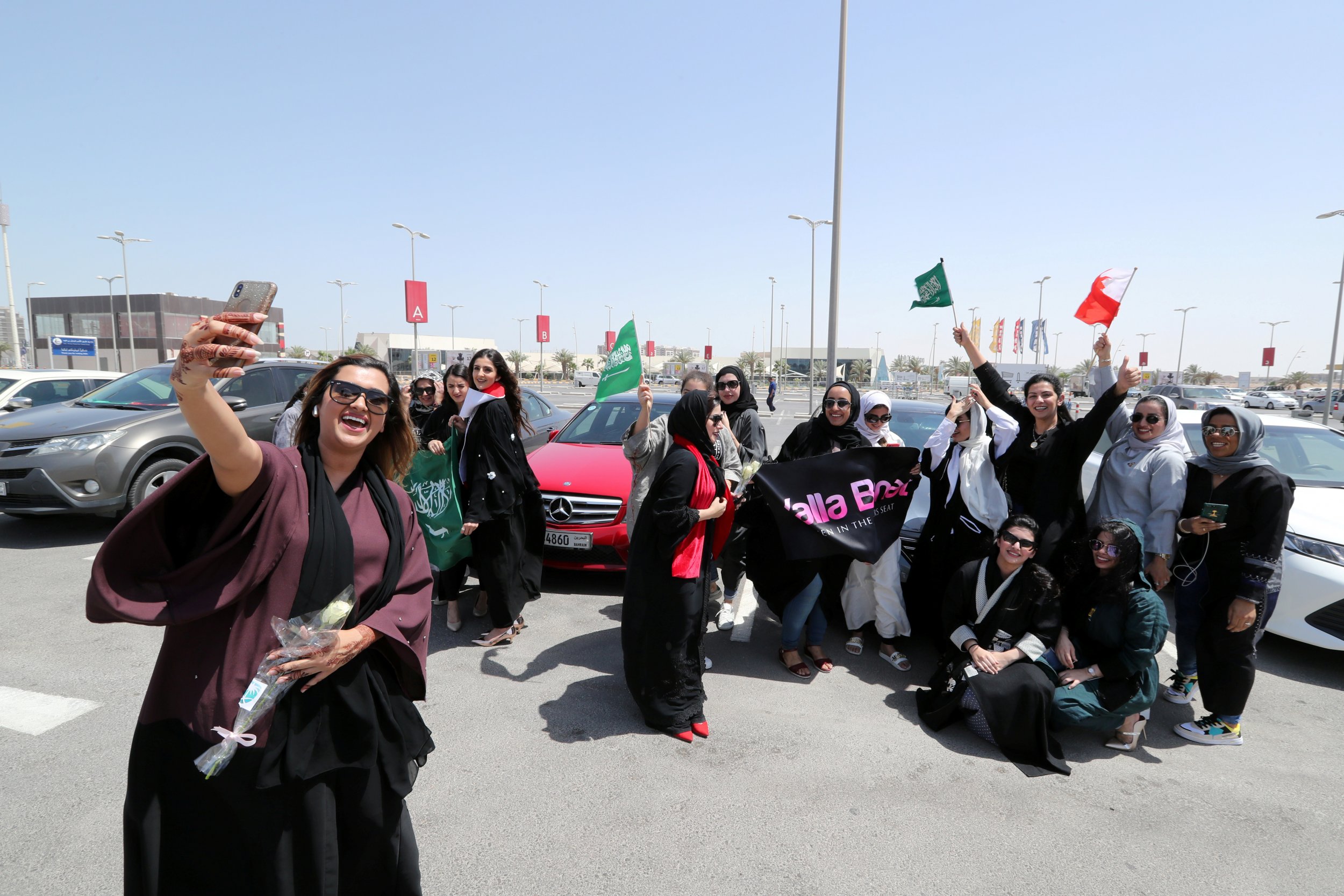
Of course, such defiance did not go unchallenged. Amina faced harassment, threats, and attempts to silence her. The state, ever vigilant against dissent, monitored her activities. Her detractors labeled her a troublemaker, a Western puppet, a threat to Saudi values. But Amina was prepared. She had anticipated the backlash. She had built a network of allies—not just within Saudi Arabia, but across the globe. International organizations, journalists, and fellow activists rallied to her cause, amplifying her message beyond the kingdom’s borders.
Her response to repression was not retreat, but adaptation. When her social media accounts were suspended, she turned to encrypted platforms. When her in-person meetings were banned, she hosted virtual gatherings. Amina’s resilience was not born of naivety, but of strategy. She understood that the fight for women’s rights in Saudi Arabia was a marathon, not a sprint. Every setback was a lesson, every obstacle a chance to refine her approach.
The Ripple Effect: A Nation Transformed
The true measure of Amina’s impact lies not in the headlines she made, but in the quiet changes she inspired. Within months of her movement gaining traction, Saudi women began to see tangible shifts. More women entered the workforce. More girls pursued higher education. More families began to question the traditions that had kept their daughters in the shadows. The government, though slow to acknowledge her influence, could not ignore the groundswell of change.
Amina’s movement also forced a reckoning with the concept of feminism itself. In a society where the word “feminist” was often met with suspicion, she redefined it. Feminism, in her vision, was not an import from the West, but a homegrown movement rooted in Islamic values and Saudi culture. She argued that true faith and true feminism were not at odds—that a woman’s right to dignity and autonomy was a divine right, not a political one.

The Future: What Comes Next?
Amina’s story is far from over. The movement she sparked is still in its infancy, and the road ahead is fraught with challenges. The legal system remains stacked against women. The cultural resistance is deep-seated. But for the first time in decades, Saudi women have a reason to hope. They have a roadmap—a way forward that does not require them to abandon their heritage, but to reclaim it on their own terms.
The question now is whether the world will stand with them. Will international allies continue to pressure for change? Will Saudi men become allies in this fight, or will they cling to the privileges that have kept them comfortable for generations? And most importantly, will Amina herself be allowed to continue her work, or will the kingdom’s patriarchs find a way to silence her once and for all?
One thing is certain: Amina Al-Mansoori has already changed the game. She has shown that feminism in Saudi Arabia is not a foreign imposition, but a natural evolution of a society that has long denied half its population the right to dream. Her movement is a testament to the power of persistence, the strength of collective action, and the unyielding spirit of those who refuse to be silenced. The question is no longer whether Saudi Arabia will change—but how soon, and how much.






Leave a Comment