The myth of the “women’s record” is a cage disguised as a trophy. It’s the unspoken rule that says: “You can break it, but you’ll always be measured against a man’s shadow.” This isn’t just unfair—it’s a systemic erasure of the unique barriers women face in every field, from sports to science to the arts. When we compare women’s achievements to men’s, we’re not just setting a lower bar; we’re reinforcing the idea that women’s progress is only valid if it mirrors a male-defined standard. And that’s a lie we’ve been sold for centuries.
The Myth of the “Natural” Male Benchmark
There’s a quiet violence in the way we frame records. A man’s achievement is often treated as the default, the neutral, the “real” standard. Women’s records, by contrast, are framed as exceptions—an asterisk in the footnote of history. But this isn’t about biology. It’s about power. The male body has been mythologized as the pinnacle of human capability, while women’s bodies are reduced to deviations from that norm. This isn’t just bad science; it’s a narrative that justifies exclusion.
Consider the marathon. Women weren’t even allowed to run the Olympic marathon until 1984. Before that, the distance was “too dangerous” for their delicate constitutions. Now, women run faster than ever—but their records are still compared to men’s as if the two are competing in the same race. The truth? Women’s bodies are optimized differently. Their endurance, their efficiency, their sheer resilience—these aren’t flaws to be corrected but strengths to be celebrated. Yet we persist in measuring them against a male yardstick, as if the only way to prove their worth is to outrun a man.

The Language of Diminishment
Words shape reality. When we say “women’s record,” we’re not just describing a statistic—we’re implying that it’s a lesser version of the “real” thing. This linguistic sleight of hand does more than mislead; it reinforces the idea that women’s achievements are secondary, temporary, or provisional. A “women’s record” isn’t a record at all—it’s a consolation prize.
Look at the way media covers athletic feats. A man breaks a world record, and the headline screams *BREAKTHROUGH*. A woman does the same, and the subtext whispers *almost as fast as a man*. The framing isn’t just different—it’s insidious. It suggests that women’s accomplishments are only noteworthy in relation to men, as if their own merit is insufficient. This isn’t just unfair; it’s a form of gaslighting. Women have been breaking barriers for decades, yet their records are still treated as footnotes in a story written by men.
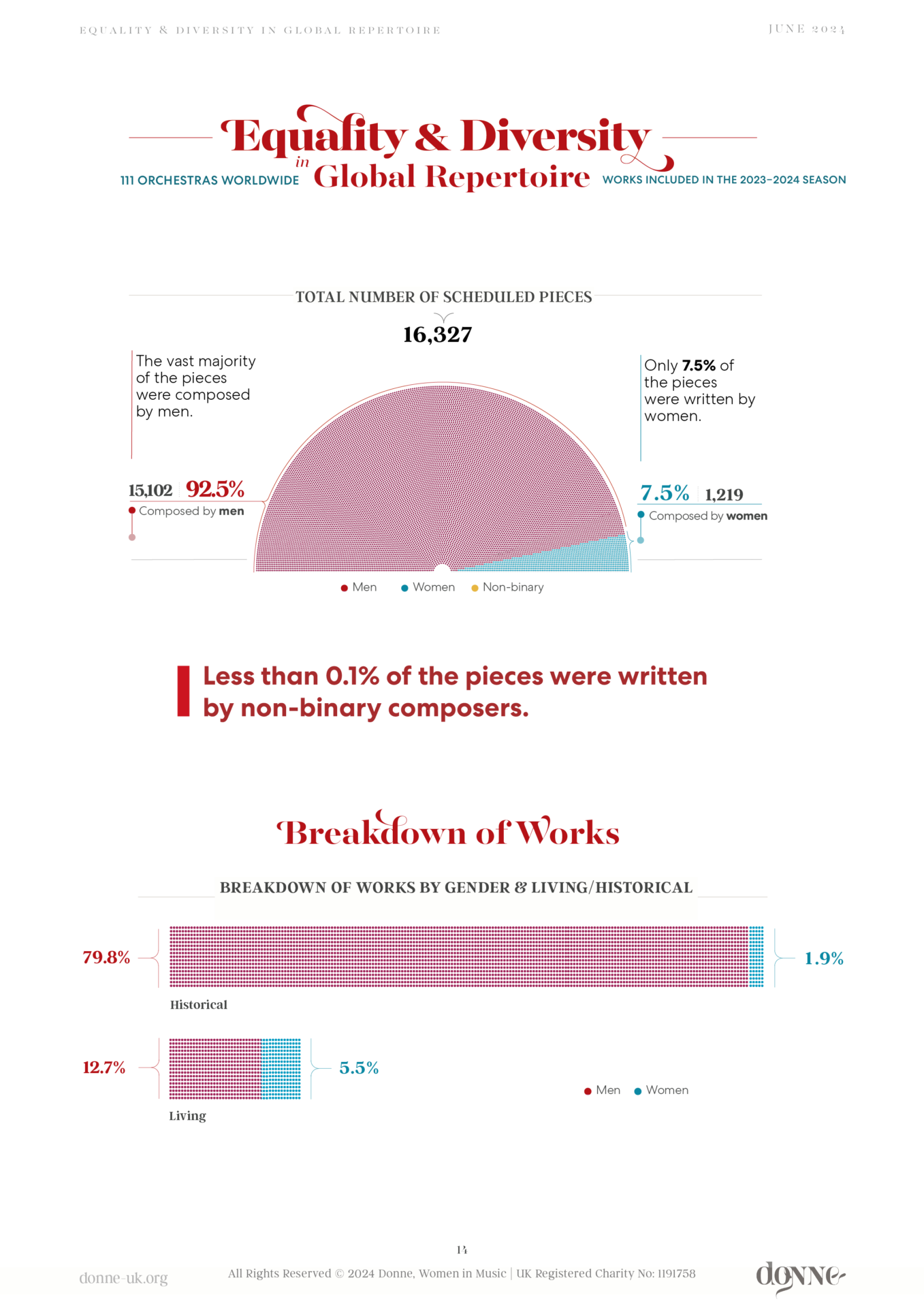
The same linguistic violence plays out in the arts, in science, in business. A female composer’s work is called “innovative for a woman.” A female CEO’s success is “remarkable given the industry.” The bar isn’t just lower—it’s rigged. And the language we use ensures that no matter how high women climb, they’ll always be measured against a man’s shadow.
The Double Standard of Scrutiny
Women aren’t just held to a different standard—they’re held to a moving one. A man’s record is accepted as the baseline. A woman’s is dissected, questioned, and often dismissed. Was it luck? Was it an easier route? Was it just a fluke? The skepticism is relentless. Meanwhile, male records are celebrated as inevitable, as if they were written into the fabric of the universe.
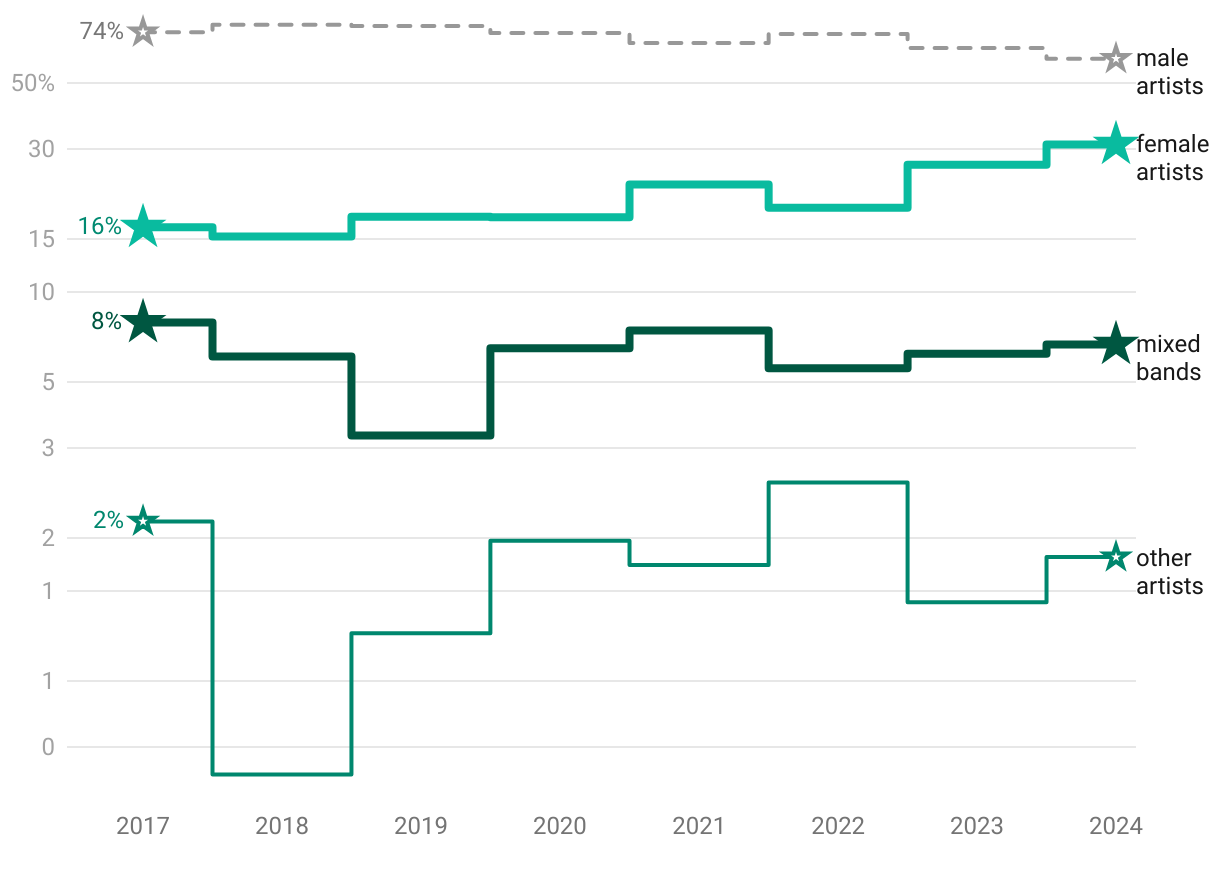
Take the world of music. When a male artist sets a streaming record, it’s hailed as a triumph of artistry. When a woman does the same, the conversation immediately pivots to her gender. “She’s the first woman to do this!” the headlines declare, as if her achievement is only notable because of her ovaries. This isn’t praise—it’s a cage. It suggests that women’s success is only interesting when it defies expectations, not when it redefines them.
The double standard extends to the way we discuss physical records. A man who lifts a certain weight is “strong.” A woman who lifts the same weight is “inspiring.” The language isn’t just different—it’s a value judgment. One is a baseline; the other is a deviation. And the deviation, by definition, is lesser.
The Illusion of Progress
We pat ourselves on the back for “allowing” women to compete. We celebrate the first woman to do this, the first woman to do that. But progress isn’t measured in firsts—it’s measured in equality. And we’re nowhere close.
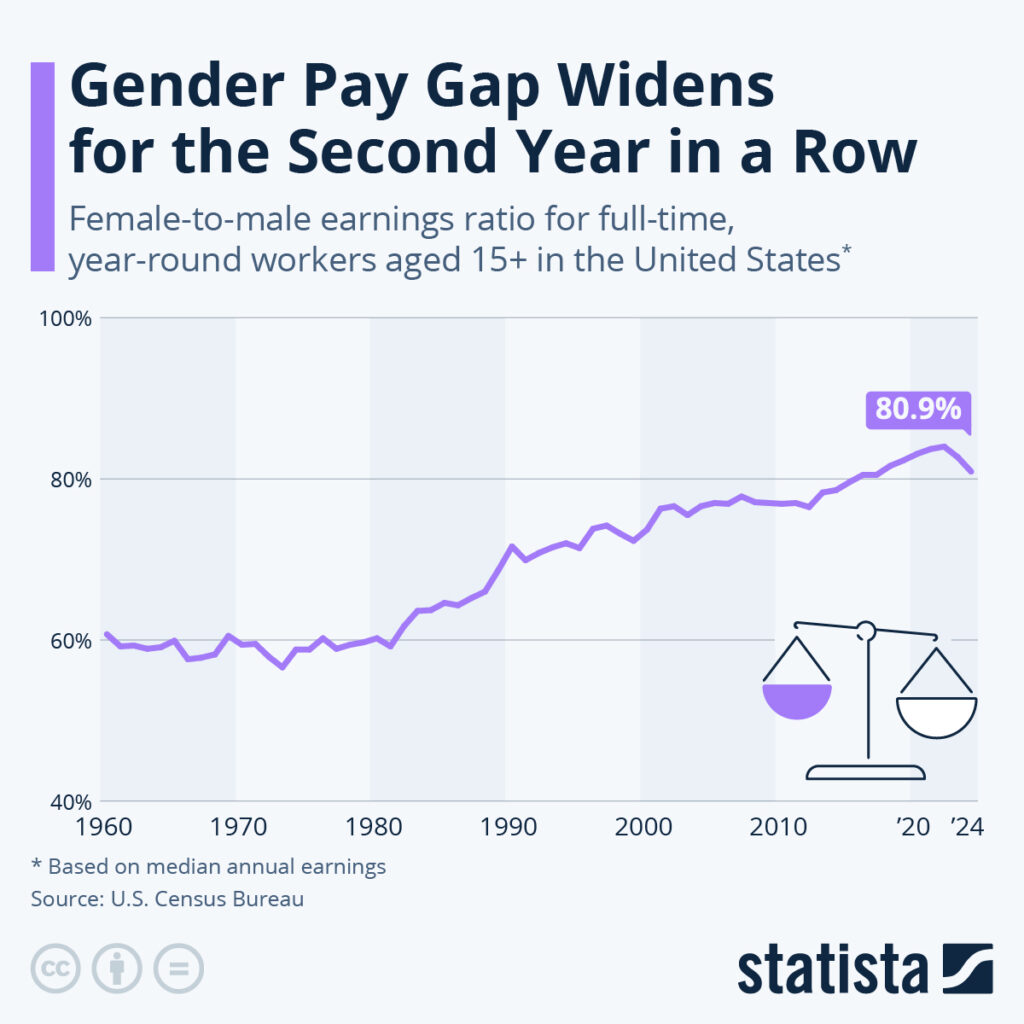
The truth is, comparing women’s records to men’s isn’t just unfair—it’s a distraction. It shifts the focus from the real issue: the systemic barriers that prevent women from reaching their full potential in the first place. Women aren’t just breaking records; they’re fighting for the right to be seen as equals in a world that still measures them against a male standard.
This isn’t about resentment. It’s about justice. It’s about recognizing that women’s achievements aren’t lesser versions of a male ideal—they’re their own kind of excellence. And until we stop measuring them against a yardstick that was never meant for them, we’ll never truly celebrate their success.
What Real Equality Looks Like
Equality isn’t about forcing women to fit into a male-shaped mold. It’s about dismantling the mold entirely. It’s about recognizing that a woman’s record isn’t a “women’s record”—it’s just a record. It’s about celebrating her achievement on its own terms, not in relation to a man’s.
This means rethinking the way we talk about women’s accomplishments. It means stopping the habit of framing their success as an exception. It means demanding that media, institutions, and society at large stop treating women’s records as curiosities and start treating them as the norm.
The next time you see a headline about a “women’s record,” ask yourself: Why is it still a women’s record? Why isn’t it just a record? The answer isn’t complicated. It’s because we’ve been conditioned to see women as secondary. And the only way to change that is to refuse to play by the old rules.
Women don’t need to be measured against men. They need to be measured against their own potential. And until we recognize that, we’ll never truly celebrate their greatness.







Leave a Comment