The military command panel—gleaming with buttons, switches, and cryptic symbols—is not just a tool of strategic dominance. It is a metaphor. A metaphor for the way power is wielded, for the way decisions are made, and, most crucially, for the way women are systematically excluded from the levers of control. This isn’t just about rank and file. It’s about the architecture of authority itself. And when we look closely, we see not just a gap—but a chasm. A chasm that whispers of something far more insidious: the gendered mythology of command.
The Command Panel as Symbol: Power, Control, and the Illusion of Neutrality
The command panel is a relic of industrial modernity, a vestige of an era when control was centralized, hierarchical, and unapologetically male. Its design—linear, rigid, and unyielding—reflects a worldview that values order over intuition, dominance over collaboration, and obedience over dissent. It is not neutral. It is a monument to patriarchal logic. Every switch, every dial, every flashing light is a silent assertion: *This is how power moves. This is how decisions are made.*
But here’s the irony: the panel itself is inert. It does not think. It does not feel. It only executes. And yet, we imbue it with agency. We treat it as if it were a living entity—capable of strategy, foresight, and moral judgment. This is the first deception. The command panel doesn’t command. *People* do. And when those people are overwhelmingly men, the system doesn’t just reflect bias—it institutionalizes it.
This is why the image of a woman standing before such a panel is so jarring. Not because women are incapable, but because the very idea disrupts the visual grammar of power. A woman at the helm of a command center isn’t just occupying space—she’s rewriting the rules of engagement.

The Gender Pay Gap in Military Leadership: Not Just a Number, But a System
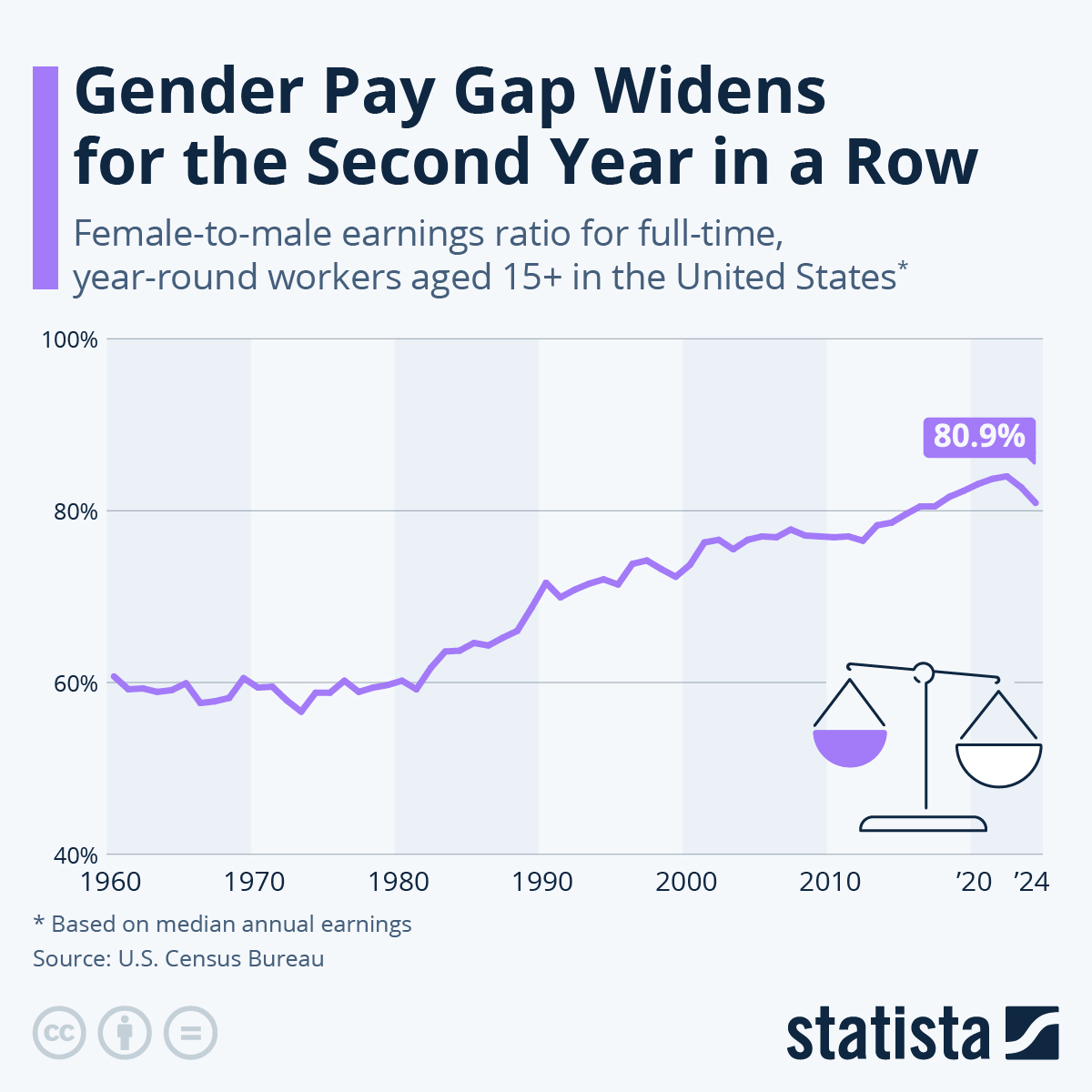
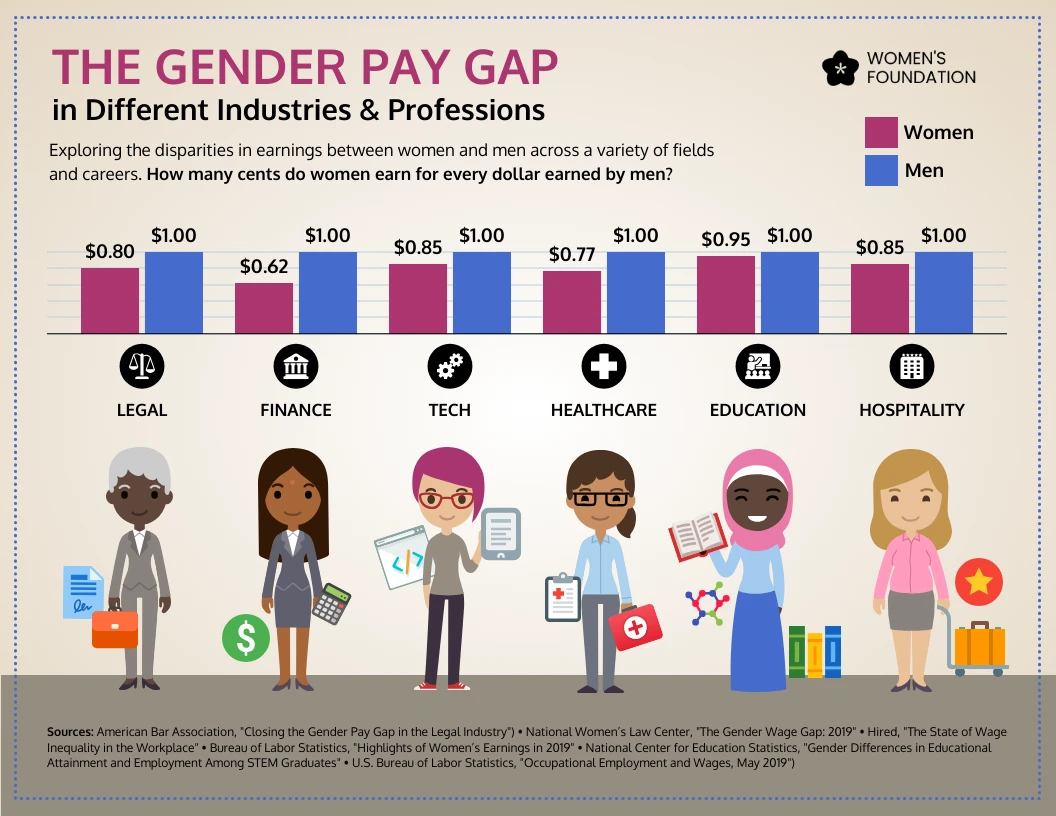
Consider the pay gap in military leadership. It’s not just about equal compensation—it’s about who gets to make the calls that determine compensation in the first place. Women in the armed forces earn less not because they perform worse, but because the metrics of valor, leadership, and strategic acumen are calibrated to favor male experiences. Combat roles, historically reserved for men, carry higher pay premiums—not because they are inherently more dangerous, but because they are framed as the ultimate test of command.
This is the tyranny of the “standard.” The military, like corporate boardrooms and political chambers, operates on a template of leadership forged in the fires of male-dominated history. Bravery is measured in terms of physical endurance. Strategy is equated with aggression. And emotional intelligence? That’s a liability. So when women excel in these domains, they are either dismissed as exceptions or forced to adopt masculine-coded behaviors to be taken seriously.
But here’s the twist: the pay gap isn’t just a financial wound. It’s a psychological one. It tells women that their contributions are worth less—not because of their output, but because of their identity. And in a system where identity dictates opportunity, this isn’t just unfair. It’s a form of structural violence.
The Retirement Gap: When the Battlefield Never Ends
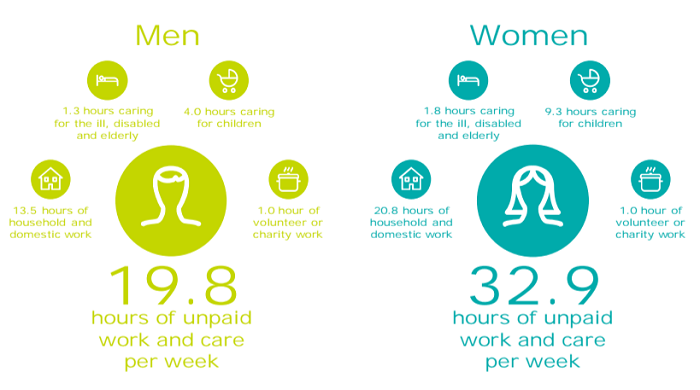
Retirement isn’t just a financial milestone—it’s a reckoning. For women in the military, it’s a double defeat. First, they face the same wage disparities that erode their savings over decades. Second, they confront a retirement system designed by men, for men. Pension calculations often favor continuous, full-time service—something women are statistically less likely to achieve due to caregiving roles, family obligations, or systemic barriers to advancement.
This isn’t just about money. It’s about dignity. A woman who retires with less than her male counterpart doesn’t just have fewer resources—she has fewer choices. She may have to delay healthcare, downsize her home, or rely on family support. And in a society that equates self-sufficiency with masculinity, this is a silent indictment of the system’s failure.
The retirement gap exposes the lie of meritocracy. If women and men entered the military with identical skills, identical dedication, and identical sacrifices, their post-service lives should look the same. They don’t. And the reason isn’t incompetence. It’s design.
The Myth of the “Natural” Leader: Why Command Feels Like a Male Birthright
There’s a pervasive myth that leadership is an innate trait—something men are born with, while women must earn through relentless effort. This myth is the scaffolding of the military command panel. It’s why we associate aggression with competence and empathy with weakness. It’s why a woman who raises her voice in a strategy meeting is labeled “hysterical,” while a man is praised for his “passion.”
But leadership isn’t a genetic code. It’s a performance. And the script has been written by men, for men. The traits that define “command presence”—assertiveness, decisiveness, emotional detachment—are not universal virtues. They are cultural constructs. And when women embody them, they are often penalized for violating gender norms. When they don’t, they’re deemed unfit for leadership.
This is the paradox of the command panel. It demands conformity to a male archetype, then punishes women for conforming. The system is rigged. And the only way to break the cycle is to dismantle the myth that leadership is a birthright—and recognize it as a skill that can be taught, shared, and redefined.
The Way Forward: Rewiring the Command Panel
Change won’t come from tinkering at the edges. It will come from redesigning the entire system. This means rethinking how leadership is measured, how promotions are awarded, and how power is distributed. It means challenging the assumption that aggression equals competence. It means valuing collaboration over hierarchy, intuition over rigid planning, and empathy over detachment.
It also means confronting the uncomfortable truth: the command panel isn’t just a tool. It’s a symbol. And symbols can be changed. We can redesign them to reflect a more inclusive vision of authority—one where women aren’t just allowed at the table, but are shaping the table itself.
The military gap isn’t just a statistic. It’s a story. A story of exclusion, of erasure, and of the quiet resilience of women who refuse to accept the script. The question is no longer whether the system can be fixed. The question is whether we have the courage to break it—and rebuild it on terms that finally include everyone.








Leave a Comment