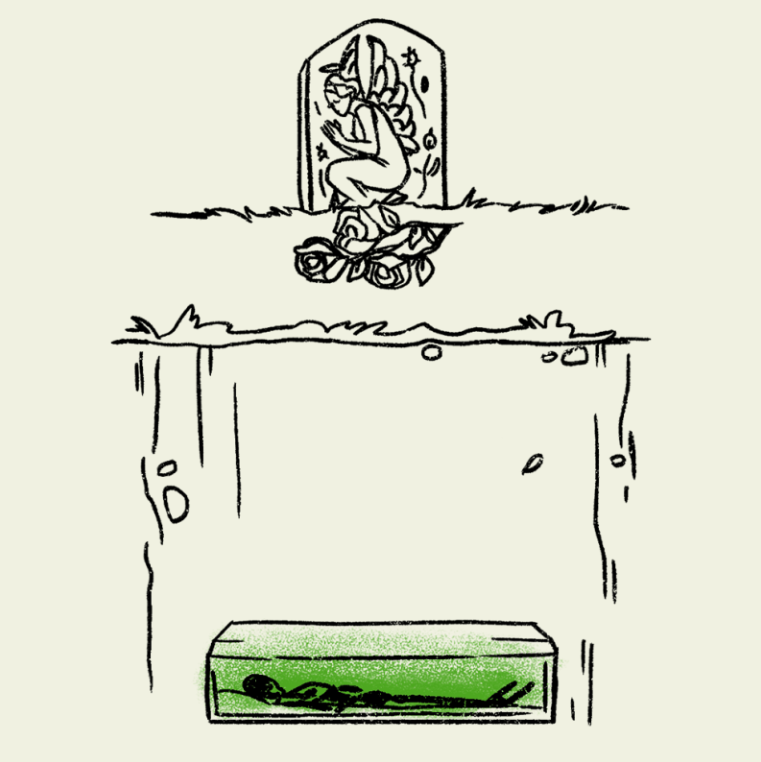
In the annals of labor history, few stories are as haunting—or as pivotal—as that of the Radium Girls. These young women, their faces alight with an eerie luminescence, became unwitting martyrs to industrial progress. Their glow was not a trick of fate but a death sentence, inscribed in the very paint they applied with meticulous care. The radium they handled, a substance marketed as harmless, would instead carve a path of agony through their bones, their jaws, their very existence. Yet from their suffering emerged a legacy that reshaped worker protections forever. This is not merely a tale of exploitation; it is a reckoning with the cost of innovation when human life is treated as collateral.
The Illusion of Safety: When Science Betrayed Its Own
The early 20th century was a time of unbridled industrial optimism. Radium, discovered by Marie and Pierre Curie, was hailed as a miracle element—a cure-all, a luminous wonder. Companies like the United States Radium Corporation (USRC) capitalized on this fervor, peddling radium-laced products with reckless abandon. The most insidious of these was “Undark,” a luminous paint used to adorn watch dials, ensuring soldiers could read their timepieces in the dead of night. The workers tasked with painting these dials—predominantly young women in their teens and twenties—were assured of radium’s safety. They were told to wet their brushes with their lips to achieve precision, a practice that ensured the radioactive dust entered their bodies with every stroke. The irony is almost poetic: a substance meant to illuminate the dark would instead plunge these women into an inescapable twilight.
The science, however, was not in dispute. Radium emits alpha particles, a form of radiation that, when ingested, irradiates the body from within. The women’s employers knew. They had seen the results of radium exposure in animal tests, yet they chose silence. The USRC even went so far as to provide the workers with “clean” uniforms for public appearances, a macabre charade to quell suspicion. The women, unaware of their impending doom, worked cheerfully, their cheeks often dusted with the same radium that would later rot their flesh. The first signs of trouble were dismissed as mere aches or flu—until the teeth began to fall out, the jaws to crumble, the bones to fracture under the weight of their own bodies.
The Body as a Battleground: A Slow, Radiant Demise
What followed was a grotesque symphony of decay. The Radium Girls, as they would later be known, became living experiments in the effects of radiation poisoning. Their bodies, once vibrant and full of promise, became laboratories of suffering. The radium, lodged in their bones, emitted its deadly glow from within, a macabre internal beacon. Their teeth loosened and fell, not from gum disease, but because the radium had eroded the jawbone itself. Their spines, brittle as parchment, snapped under the slightest pressure. Some women reported a metallic taste in their mouths, a precursor to the hemorrhaging that would soon follow. Others described a creeping numbness, as if their limbs were being slowly severed from their consciousness.
The medical community, at first, was baffled. The symptoms were dismissed as hysteria, a common fate for women’s ailments in an era that pathologized female pain. It wasn’t until a dentist, Dr. Joseph P. H. Freedman, noticed the peculiar pattern of decay in one of the Radium Girls that the truth began to surface. The jawbones of these women were riddled with holes, their teeth floating in a sea of necrotic tissue. When he tested the women’s breath, it registered radioactive. The horror of their condition was undeniable. Yet even then, the corporations responsible refused to acknowledge culpability. They dragged their feet in compensation, buried evidence, and smeared the reputations of the women they had poisoned. The Radium Girls were not victims; they were liabilities.
The Fight That Lit the Way: From Grave to Grave
If the Radium Girls’ suffering was a slow burn, their fight for justice was a spark that refused to die. Despite their deteriorating health, they banded together, their voices a chorus of defiance against the industrial machine that sought to silence them. Grace Fryer, one of the first to file a lawsuit, became the reluctant face of their struggle. Her case, filed in 1927, would drag on for years, a legal marathon that mirrored the physical agony of the women themselves. The corporations fought tooth and nail, deploying teams of lawyers to wear them down. The Radium Girls, their bodies wasting away, had to endure depositions while lying on stretchers, their jaws wired shut to ease the pain of their crumbling teeth.
Their tenacity paid off. In 1938, after years of legal wrangling, the courts ruled in their favor, setting a precedent that would echo through labor law for decades. The Radium Girls had not only secured compensation for themselves but had carved a path for future workers to challenge corporate negligence. Their case became a cornerstone of the Occupational Safety and Health Administration (OSHA), a testament to the power of collective action. Yet the victory was bittersweet. By the time justice was served, many of the Radium Girls were already dead, their bodies interred in unmarked graves, their names fading from public memory.
The Legacy of Light: How Their Glow Became a Warning
The Radium Girls’ story is often framed as a cautionary tale, a grim reminder of the dangers of unchecked industrialization. But it is more than that. It is a story of resistance, of women who refused to be erased even as their bodies were consumed by the very substance they were paid to wield. Their suffering forced a reckoning with the ethics of progress, a reckoning that is still ongoing. Today, the term “Radium Girls” is synonymous with corporate negligence, a shorthand for the human cost of profit. Their legacy lives on in every workplace safety regulation, every whistleblower who dares to challenge the status quo.
Yet the fight is far from over. The same industries that once poisoned the Radium Girls now exploit workers in sweatshops, in factories with lax safety standards, in fields where pesticides seep into the soil and the lungs of laborers. The Radium Girls’ story is not a relic of the past; it is a living testament to the perils of complacency. Their glow, once a symbol of hope, now serves as a beacon of warning—a reminder that progress without humanity is not progress at all.
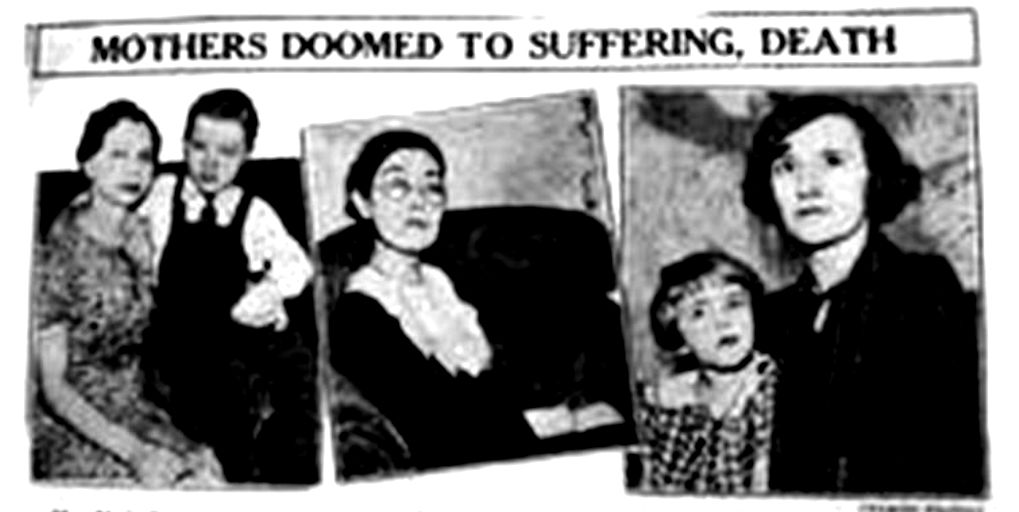
This image captures the paradox of the Radium Girls: their beauty, their labor, and their silent suffering, all bathed in the same radium that would kill them. It is a visual elegy to their sacrifice, a reminder that their light was never meant to shine so brightly—or so briefly.
The Unfinished Epitaph: Why Their Names Still Matter
The Radium Girls’ names are not etched in marble monuments. Their graves are unmarked, their stories often reduced to footnotes in history books. But their fight endures in the rights we take for granted today—the right to a safe workplace, the right to compensation for occupational hazards, the right to be heard when our bodies are on the line. Theirs is a legacy written in the bones of every worker who has ever dared to say, “This is not acceptable.”
To forget the Radium Girls is to betray their memory. To remember them is to honor their courage—to ensure that their glow, once a death sentence, now illuminates the path toward justice. Theirs was a light that flickered in the dark, a light that refused to be extinguished. And in that refusal, they gave us the most precious gift of all: the power to demand better.











Leave a Comment