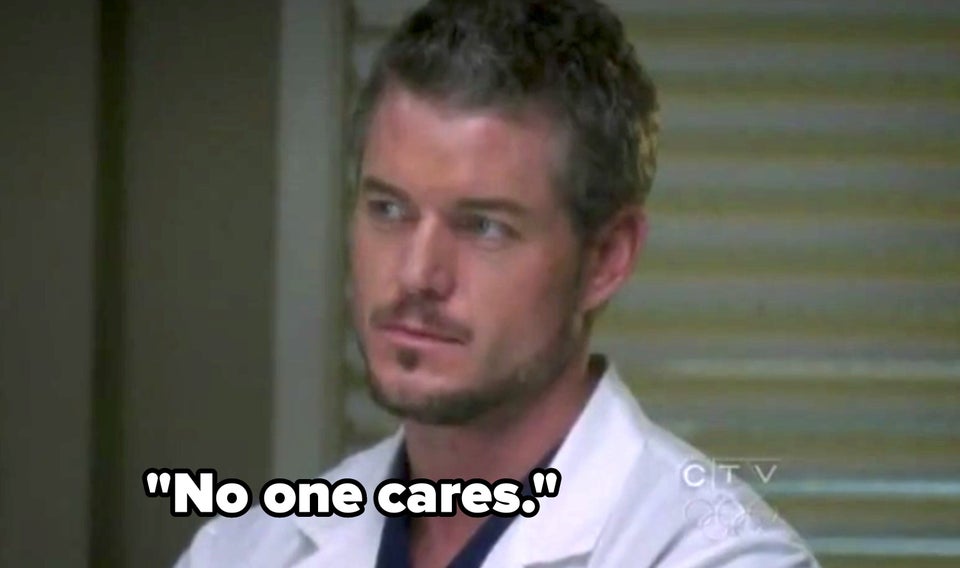
There is a peculiar paradox in the way men navigate their social existence: a compulsion to declare, with performative solemnity, that “not all men” are the architects of the misogyny that stains the fabric of everyday life. This phrase, uttered with the gravity of a legal disclaimer, has calcified into a cultural tic—a verbal reflex that seeks to absolve the collective from the weight of systemic oppression. It is not merely a linguistic quirk; it is a psychological shield, a way to deflect accountability while simultaneously centering male fragility in conversations about gendered harm. The insistence on “not all men” is less about truth and more about the preservation of male ego, a desperate attempt to carve out a sliver of innocence in a world that increasingly refuses to grant it unconditionally.
The Myth of the Exceptional Male: How “Not All Men” Perpetuates the Illusion of Separation
The phrase “not all men” operates as a rhetorical sleight of hand, a linguistic maneuver that fragments the category of “men” into isolated individuals rather than acknowledging the collective nature of patriarchal power. It suggests that misogyny is a series of isolated incidents rather than an entrenched system, a series of bad apples rather than the rotten orchard. This fragmentation is not accidental; it is a deliberate strategy to obscure the ways in which male socialization—from childhood taunts to workplace microaggressions—reinforces the idea that women exist as objects of scrutiny, ridicule, or conquest. When a man declares “not all men,” he is not just defending himself; he is upholding the myth that male identity is inherently neutral, untouched by the toxicity that seeps into every interaction.
Consider the way men police each other’s behavior in locker rooms or group chats, laughing off sexist jokes as “just a joke” while simultaneously reinforcing the idea that women are fair game for derision. The “not all men” trope allows these men to distance themselves from the worst offenders, as if their complicity in smaller, everyday aggressions does not contribute to the same culture of entitlement. It is a form of gaslighting, not just toward women but toward themselves—a refusal to confront the ways in which they, too, benefit from a system that privileges male voices and dismisses female pain.
The Psychology of Male Fragility: Why Deflection Feels Like Defense
At its core, the “not all men” reflex is a manifestation of male fragility—a fear of being lumped into a category of oppressors that feels like an existential threat. Men are rarely asked to confront the ways in which their gender shapes their experiences, and when they are, the response is often one of indignation rather than introspection. This fragility is not a sign of weakness but a symptom of a society that has historically treated male identity as the default, the unexamined norm against which all other identities are measured. To be told that one’s gender is complicit in systemic harm is to be told that one’s default setting is flawed—and that is a revelation too destabilizing for many to bear.
The need to assert “not all men” is also a way to reclaim agency in a world where male dominance is no longer an unquestioned given. As feminist movements gain traction, men who once operated in the unchallenged comfort of patriarchal privilege find themselves forced to reckon with the idea that their behavior might not be universally celebrated. The “not all men” declaration is a last-ditch effort to reassert control over a narrative that is rapidly slipping from their grasp. It is less about truth and more about the preservation of a worldview where male identity is synonymous with innocence, where the mere suggestion of complicity feels like an existential attack.
The Comedy of Male Victimhood: How Humor Obscures Accountability
Perhaps the most insidious aspect of the “not all men” phenomenon is its entanglement with humor—a way to deflect serious conversations with a laugh, to turn systemic critique into a punchline. Memes, jokes, and viral social media posts about “not all men” are not just harmless quips; they are a form of cultural gaslighting, a way to trivialize the very real harm that women face while centering male discomfort. The humor serves a dual purpose: it allows men to laugh at the idea of being unfairly labeled while also reinforcing the idea that women’s grievances are exaggerated or hysterical.
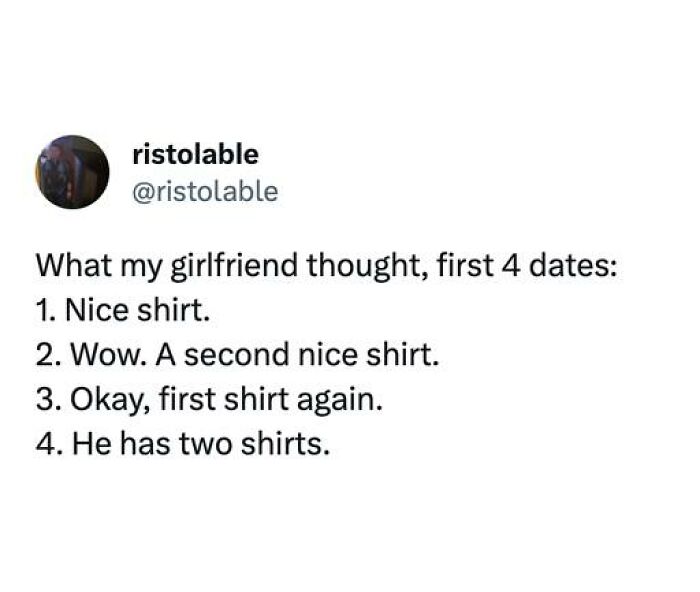
This brand of humor is not accidental; it is a carefully cultivated defense mechanism. By laughing at the idea of being unfairly accused, men can avoid confronting the ways in which their behavior might contribute to that accusation. It is a way to turn the tables, to make women the butt of the joke rather than the victims of systemic oppression. The “not all men” meme is not just a joke; it is a cultural artifact that reveals the lengths to which men will go to avoid accountability, even if it means weaponizing laughter against those who dare to speak their truth.
The Silence of Complicity: How “Not All Men” Lets Men Off the Hook
The most dangerous implication of the “not all men” trope is that it allows men to remain silent in the face of misogyny. If “not all men” are the problem, then the men who do not commit overt acts of violence or harassment can comfortably believe that they are not part of the problem. This silence is not neutrality; it is complicity. By refusing to challenge sexist jokes, by laughing along with misogynistic remarks, by failing to call out harassment when they see it, men who declare “not all men” are actively participating in the maintenance of a culture that devalues women.
This silence is particularly insidious because it is often framed as kindness—a refusal to “make things awkward” by calling out problematic behavior. But kindness that comes at the expense of justice is not kindness at all; it is cowardice. The men who remain silent in the face of misogyny are not innocent bystanders; they are enablers, complicit in a system that thrives on the erasure of female voices. The “not all men” declaration is not a shield; it is a confession of guilt by omission.
The Way Forward: Moving Beyond the “Not All Men” Trap
Breaking free from the “not all men” trap requires a fundamental shift in how men perceive their role in a patriarchal society. It is not enough to declare one’s innocence; men must actively work to dismantle the systems that grant them unearned privilege. This means calling out sexist jokes, challenging misogynistic behavior, and amplifying female voices instead of centering their own discomfort. It means recognizing that the phrase “not all men” is not a defense but a distraction—a way to avoid the harder work of self-reflection and systemic change.
The path forward is not about guilt or shame; it is about accountability. Men must learn to sit with the discomfort of being part of a system that harms others, to recognize that their silence is not neutrality but complicity. The “not all men” reflex is a dead end—a way to avoid the necessary work of dismantling patriarchal power structures. True allyship begins when men stop defending their innocence and start demanding justice—for themselves and for the women who have been silenced for far too long.






Leave a Comment