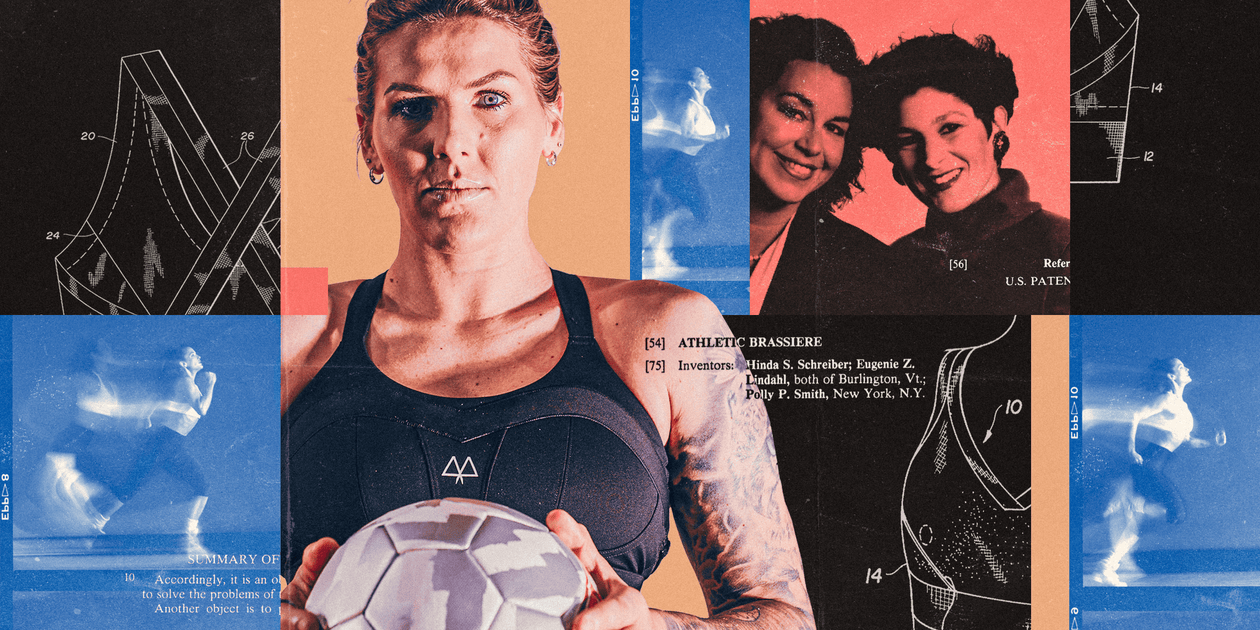
In the grand theater of modern oppression, diet culture performs a starring role—one that struts across billboards, infiltrates gyms, and whispers in the ears of women like a relentless, unshakable coach. It is not merely a set of rules about food or a fixation on waistlines; it is the patriarchy’s most insidious costume, draped over the bodies of women in the form of a sports bra, a garment that promises liberation while tightening the noose of control. To call diet culture a health trend is to mistake the symptom for the disease. It is, in truth, the soft power of patriarchy, a velvet glove around an iron fist, masquerading as self-care while enforcing submission.
The Sports Bra as Metaphor: A Garment of Contradictions
The sports bra, that ubiquitous emblem of athletic empowerment, is a perfect microcosm of diet culture’s double helix—simultaneously a tool of liberation and a mechanism of constraint. Designed to “free” the body, it instead compresses, shapes, and disciplines, turning movement into a performance of conformity. The irony is not lost on those who recognize that the same industry selling us sports bras to “feel confident” is the same one selling us waist trainers to “feel sexy.” The message is clear: your body is only acceptable if it is both athletic and aesthetic, a contradiction that serves no one but the gaze that demands it.
Consider the language used to market these garments. “Supportive.” “Shaping.” “Flattering.” Words that imply the body is inherently insufficient, in need of external scaffolding to be deemed worthy. This is not empowerment. This is the commodification of female agency, repackaged as empowerment. The sports bra, like diet culture, is a Trojan horse—smuggled into our lives under the banner of progress, only to reveal itself as another layer of surveillance, another set of rules to obey.
Diet Culture as the New Chastity Belt
If the corset was the patriarchy’s original weapon of bodily control, diet culture is its evolved, decentralized successor. Where the corset physically restricted, diet culture psychologically incarcerates. It does not require laces or boning; it thrives on guilt, on the internalized voice that hisses, *”You ate too much,”* *”You should have stopped sooner,”* *”No one will love you if you don’t shrink.”* The chastity belt was a tool of ownership; diet culture is a tool of self-ownership, a system where women police themselves into submission, convinced that their worth is measured in calories and centimeters.
This is not a coincidence. The rise of diet culture coincides with the rise of neoliberal feminism, a brand of liberation that equates freedom with individual consumption rather than collective liberation. In this framework, the woman who “chooses” to starve herself is not a victim but a warrior, her hunger a badge of honor. The chastity belt was overt; diet culture is insidious because it frames oppression as empowerment. It is the patriarchy’s most successful sleight of hand: convincing the oppressed that their chains are choices.
The Male Gaze as the Invisible Hand
Behind every diet culture ad, every “before and after” transformation post, every influencer preaching the gospel of “clean eating,” lurks the specter of the male gaze. It is not the gaze of any one man but the collective, institutionalized desire for women to be both desirable and disciplined—a contradiction that can only be resolved through self-surveillance. The male gaze does not demand that women be thin; it demands that they *police themselves* into thinness. It is a feedback loop: women internalize the gaze, then enforce its rules upon themselves and each other, all while believing they are acting autonomously.
This is why diet culture is not just a personal failing but a structural one. It is the mechanism by which patriarchy ensures that women remain distracted, divided, and depleted. While we are busy counting calories or debating the morality of carbs, the systems that truly oppress us—wage gaps, reproductive rights, unpaid labor—go unchallenged. Diet culture is the opiate of the masses, a sedative that numbs us to the real battles worth fighting.
The Illusion of Agency in a Rigged System
One of the most insidious lies of diet culture is the myth of choice. It sells itself as a path to self-determination, a way to “take control” of one’s body. But what kind of control is it when the options are dictated by an industry that profits from dissatisfaction? When the “choices” are between keto and paleo, between intermittent fasting and juice cleanses, between this supplement and that one, all while the underlying message remains the same: *Your body is not enough.*
This is the paradox of diet culture: it masquerades as rebellion against societal expectations while reinforcing the most oppressive of them. To “choose” thinness is not to defy the patriarchy; it is to surrender to it. The woman who “chooses” to be smaller is not a rebel; she is a foot soldier in a war waged against her own body. The real rebellion is to reject the premise entirely—to declare, as Audre Lorde did, that *”the master’s tools will never dismantle the master’s house.”* Diet culture is one of those tools, and it is time we stopped pretending it is anything but a shackle.
The Body as Battleground, Not a Project
We have been taught to see our bodies as works in progress, as projects to be optimized, sculpted, and perfected. But what if our bodies are not projects at all? What if they are already complete, already worthy, already enough? The language of diet culture reduces women to a series of problems to be solved: *”problem areas,”* *”trouble spots,”* *”flaws to fix.”* It turns the body into a checklist, a to-do list of self-improvement that never ends because the standards are always shifting.
This is the ultimate cruelty of diet culture: it ensures that dissatisfaction is a permanent condition. There is always another diet to try, another supplement to buy, another workout routine to master. The body is never done; it is always a work in progress, always one bite away from failure. This is not health. This is psychological warfare.

The Way Forward: Reclaiming the Body from the Gaze
To dismantle diet culture is to dismantle the patriarchy itself, and that is no small task. It requires more than just rejecting fad diets or unfollowing toxic wellness accounts. It requires a fundamental shift in how we see ourselves and each other. It means recognizing that our bodies are not commodities to be bought, sold, or shaped into compliance. They are not projects. They are not problems. They are ours.
This begins with language. Stop calling bodies “good” or “bad.” Stop praising weight loss as if it is inherently virtuous. Stop framing hunger as a moral failing. Start seeing food as fuel, movement as joy, and rest as resistance. Start demanding better from the industries that profit from our self-loathing. Start recognizing that the same systems that tell us to shrink are the same ones that tell us to be quiet, to be small, to take up less space.
The sports bra was never meant to liberate us. It was meant to contain us. Diet culture is the same. But we are not contained. We are not small. We are not projects. We are bodies, alive and unapologetic, and no amount of marketing or misogyny can change that.








Leave a Comment