Is it possible that in our zealous pursuit of equality, feminism has sometimes painted with a dangerously broad brush—one so colorblind that it blurts out individual experience and nuanced identity? What if the very rhetoric meant to unite us ends up sweeping our diverse histories under an indifferent rug? This is not just a question of semantics or politics; it is a profound challenge to the movement’s core integrity. When feminism opts to erase the plurality of voices, particularly those shaped by race, class, and culture, what remains unchallenged—and whom does it truly benefit?
The Mirage of Colorblindness in Feminist Discourse
At first glance, embracing a colorblind approach might seem an elegant solution: if we simply ignore differences in race, ethnicity, or background, everyone should theoretically stand on equal footing. But herein lies a pernicious fallacy. Colorblind feminism masquerades as neutrality, purporting to liberate women from the shackles of division, yet it often glosses over systemic inequities that are lived realities for many. The absence of acknowledgment isn’t amicable; it is erasure. Ignoring the variegated textures of oppression essentially whitewashes the feminist narrative—obliterating the lived truths of marginalized women whose experiences do not align with a monolithic, often white-centric framework.

When Universalism Becomes a Veil for Erasure
Feminism oft prides itself on universal principles of justice and equality. Yet, paradoxically, this universalism can become a velvet glove hiding an iron fist. Declaring “all women face the same struggles” flattens intricate social topographies into an undifferentiated plane. It compels marginalized voices to adapt, to fit an exclusive mold, or risk invisibility. The unique intersections where race, gender, class, and sexuality collide are glossed over, softening the brutal edges of reality that shape women’s disparate experiences.
Such erasure is not merely theoretical; it has tangible consequences. Policy recommendations, activism strategies, and cultural dialogues that ignore intersectionality propagate solutions that maintain structural inequities. For instance, economic empowerment programs that disregard racial wage gaps or healthcare initiatives overlooking gendered racial bias in medical treatment are doomed to inefficacy. Thus, the so-called “colorblind” feminism inadvertently perpetuates the very marginalization it ostensibly rejects.
Intersectionality: The Antidote to Homogenizing Narratives
Intersectionality, a term coined by Kimberlé Crenshaw, offers a crucial lens to decode the multifaceted nature of oppression. Recognizing that a black woman’s feminist experience cannot be disaggregated from her racial identity unveils layers of systemic discrimination otherwise untouched by colorblind frameworks. It calls for an embracing of complexity, rather than a reduction to easy platitudes.
Undermining intersectionality by substituting it with homogenizing colorblind rhetoric is tantamount to silencing. It strips away the multidimensional realities that shape everyday encounters with sexism, racism, and classism. A robust feminist approach demands not only recognition of these intersections but a radical recalibration of thought and action to honor the totality of women’s experiences.
The Perilous Appeal of Simplification
Colorblind feminism appeals partly because it simplifies a messy, frustrating landscape. It offers an illusion of common ground, an easy, tidy narrative that purportedly transcends tribalism. But this same simplicity risks complacency. It discourages the messy work of listening, learning, and adjusting—to grapple with uncomfortable truths about privilege and power embedded within feminist activism itself.
The seductive notion of “we are all the same” can lull movements to sleep, resting on the laurels of superficial inclusivity while allowing the status quo to calcify. Authentic transformation, on the other hand, necessitates embracing discomfort: confronting biases, elevating marginalized voices, and challenging inequities not as aberrations, but as foundational systemic issues demanding structural overhaul.
Reclaiming Feminism Through the Prism of Experience
How, then, can feminism reclaim its transformative potential while resisting the erasures born of colorblindness? It begins by centering narratives that have long been sidelined. This means amplifying black, Indigenous, and women of color scholars, activists, and artists whose insights illuminate the intersections of race, gender, and power. It requires dismantling tokenism and fostering genuine solidarity that not only pays lip service to diversity but embodies it through shared leadership and decision-making.
It demands a deliberate and persistent interrogation of the movement’s own complicities—asking hard questions about who benefits from the predominant feminist narratives and whose stories are sidelined. Only through this unwavering commitment to inclusion, complexity, and honesty can feminism evade the pitfalls of colorblindness and evolve into a force capable of honoring all experiences.
The Future: Toward a Radical Embrace of Difference
The challenge is no small feat, but it is necessary. Feminism must reject the sanitized comfort of sameness and instead champion the vivid, often tumultuous realities of difference. This is a feminism that is unafraid to revel in multiplicity; that sees the kaleidoscopic spectrum of womanhood not as a hindrance but as its greatest strength. It is a future where feminist praxis is as dynamic as the lives it seeks to improve—reflecting, respecting, and advocating for every lived experience without dilution or denial.
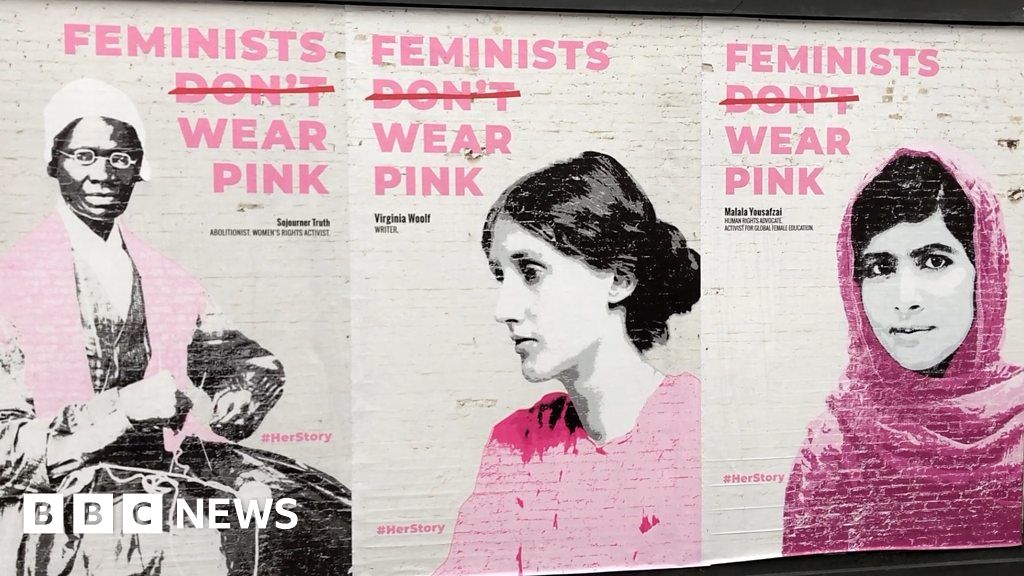
In the end, rejecting colorblind feminism is not about fragmentation; it is about deepening the collective. It is about building a movement as rich, intricate, and resilient as the women it represents. Can feminism dare to be this brave?





Leave a Comment