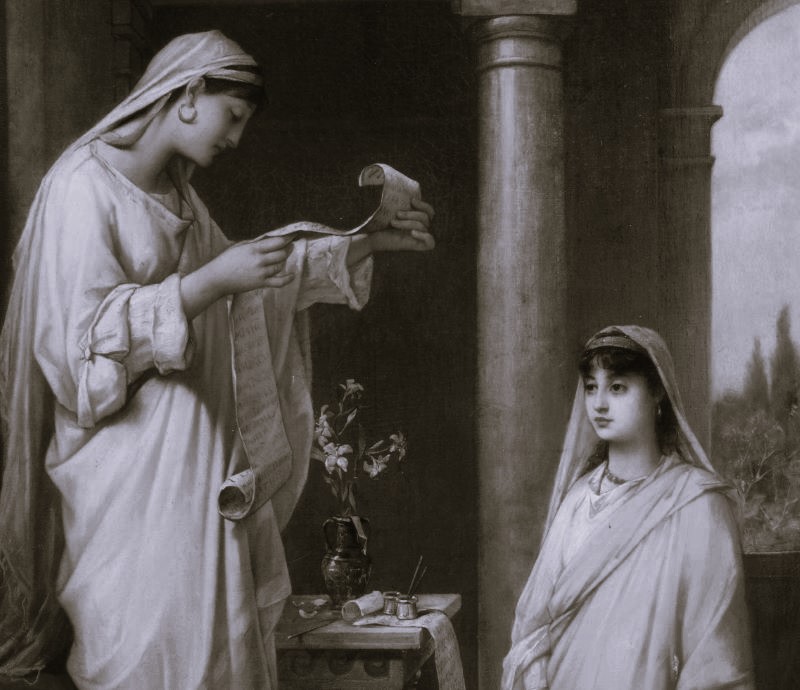
What if I told you that the gender dynamics of ancient societies—often dismissed as oppressive—might have been more equitable than our own? Before you scoff, consider this: in many pre-modern cultures, women wielded power in ways that would make modern feminists weep with envy. From matrilineal societies to female deities who ruled the cosmos, the past wasn’t just a dark age of patriarchal tyranny—it was a time when gender roles were fluid, power was shared, and equality wasn’t a buzzword but a lived reality. So, why did we lose this balance? And more importantly, can we get it back?
The Matrilineal Mysteries: When Women Ruled the Bloodline
Imagine a world where lineage wasn’t traced through fathers but through mothers. Where power passed from grandmother to mother to daughter, not because of some divine decree favoring men, but because it made sense. This wasn’t some feminist utopia dreamed up by radicals—it was the norm in societies like the Mosuo of China, the Minangkabau of Indonesia, and even parts of ancient Ireland. In these cultures, women controlled property, made key decisions, and passed down wealth. Men? They were often just temporary fixtures in the domestic sphere, their roles secondary to the unbroken chain of female authority.
Contrast this with today, where women still fight for equal pay, reproductive rights, and basic bodily autonomy. The Mosuo, for instance, have practiced tisese—a system where men live with their maternal families and visit their partners at night—since time immemorial. No divorce courts, no alimony battles, no “who wears the pants” debates. Just a society where women’s power was so ingrained that it didn’t need to be fought for—it was simply the way things were.
The Divine Feminine: Goddesses Who Demanded Respect
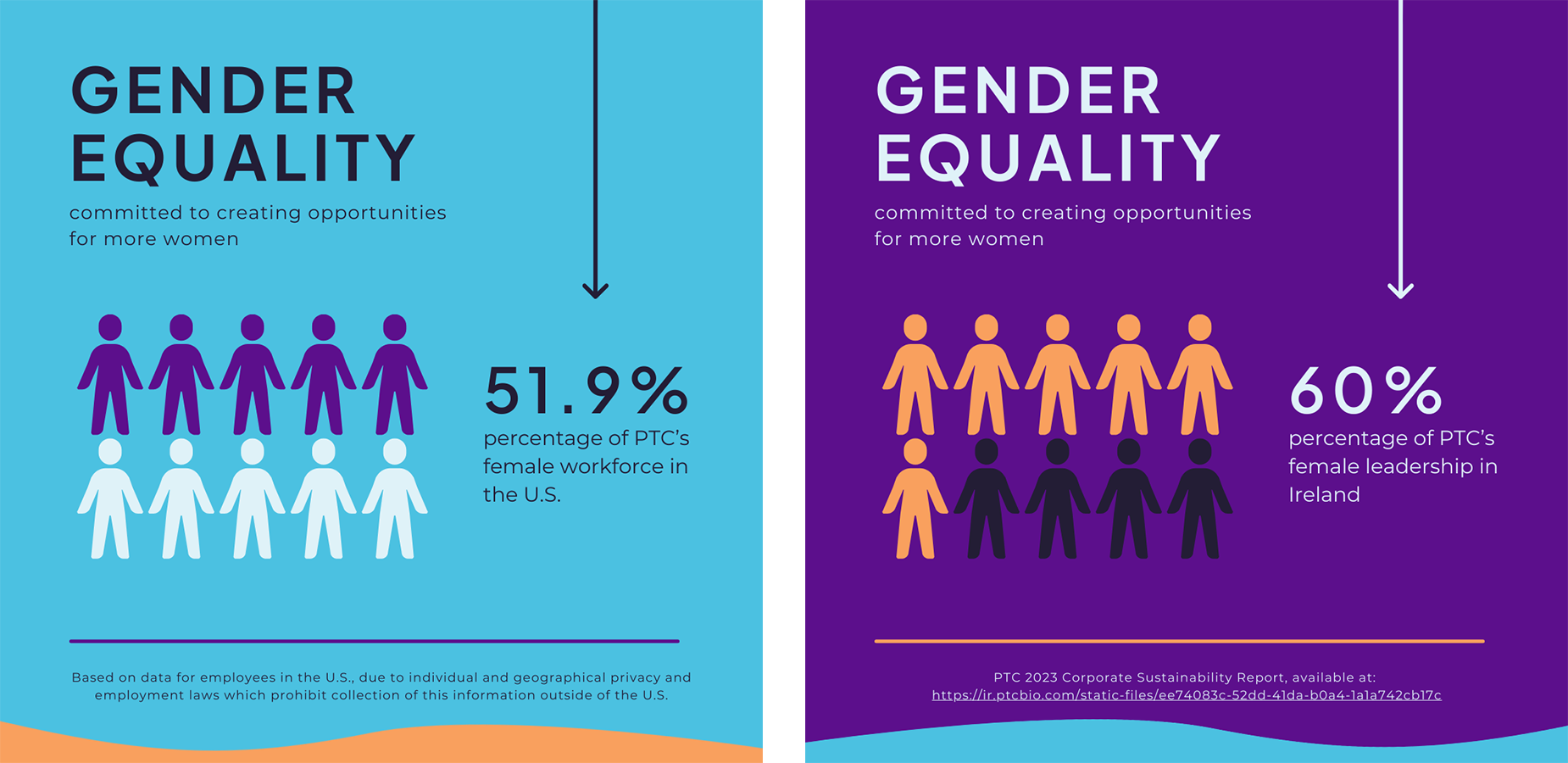
Long before monotheistic religions sidelined the sacred feminine, ancient cultures worshipped goddesses who embodied power, wisdom, and even destruction. The Inanna of Mesopotamia, the Isis of Egypt, the Athena of Greece—these weren’t passive figures waiting for male approval. They were warriors, strategists, and rulers who demanded reverence. In some traditions, like the Neolithic cultures of Europe, female deities weren’t just symbols—they were the primary objects of worship, with priestesses holding immense spiritual authority.
Fast forward to today, and the closest we get to divine feminine power is a smattering of feminist memes and the occasional “goddess” hashtag. Meanwhile, the most powerful religious institutions are still dominated by men, and women who dare to lead are often met with suspicion or outright hostility. What changed? The rise of patriarchal religions didn’t just shift theology—it rewired society to see women as inherently inferior. But what if we looked back and asked: What if the divine feminine was never meant to be erased?
The Warrior Queens and Female Pharaohs: When Women Wielded Swords and Crowns
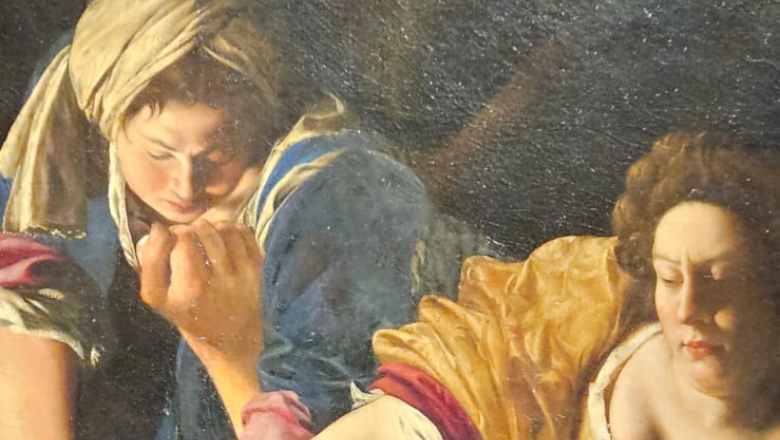
History books love to tell us that women were “too emotional” to lead, yet somehow, we’ve had warrior queens, female pharaohs, and sword-wielding monarchs who shattered every stereotype. Hatshepsut, the female pharaoh of Egypt, ruled for two decades, expanding trade and building monuments that still stand today. Boudicca, the Celtic queen, led an army against the Roman Empire and nearly drove them out of Britain. Cleopatra wasn’t just a seductress—she was a shrewd strategist who outmaneuvered Rome’s most powerful men.
So why do we still hear that women “can’t handle” leadership? Because the moment these women proved their competence, patriarchal historians either erased them from the record or reduced them to caricatures. Today, women in politics and corporate leadership still face scrutiny over their tone, their appearance, and their “likeability”—a word rarely applied to men. The ancient world didn’t have these double standards. A queen was a queen, period. If she could fight, rule, or outthink her enemies, she did. The only question was: Would history remember her?

The Fluidity of Gender: When Identity Wasn’t a Box
Ancient societies didn’t just tolerate gender fluidity—they celebrated it. The Two-Spirit people of Native American cultures, the Hijra of South Asia, the eunuchs of the Ottoman Empire—these weren’t anomalies. They were sacred, respected, and often held positions of power. In some African societies, gender wasn’t binary but a spectrum where individuals could shift roles based on circumstance. The Igbo of Nigeria, for instance, had the ogbanje, individuals who could embody both masculine and feminine traits without stigma.
Today, we’re still unlearning the rigid gender binaries that were imposed by colonialism and industrialization. Trans women are murdered at alarming rates. Non-binary people are told they’re “too much” or “not enough.” Meanwhile, ancient cultures saw gender as a river—ever-changing, ever-flowing—not a cage. What would happen if we stopped trying to force everyone into the same mold and instead asked: Why did we ever think gender had to be so rigid?
The Economic Power of Women: When They Owned the Market
In ancient Athens, women couldn’t vote, but they ran the economy. Wealthy women managed households, controlled dowries, and even owned businesses. In Rome, female merchants traded silk, spices, and slaves, accumulating wealth that rivaled the elite. The Vestal Virgins of Rome—celibate priestesses—controlled vast tracts of land and made financial decisions that shaped the empire. Meanwhile, in medieval Europe, women brewed beer, wove textiles, and ran taverns, their economic contributions so vital that guilds often had female members.
Today, women still earn less than men in nearly every industry. They’re told to “lean in” while corporate boards remain male-dominated. The ancient world didn’t have these problems because women’s economic power wasn’t a threat—it was a necessity. So why did we let capitalism and patriarchy conspire to shrink their influence? The answer isn’t complicated: Power doesn’t give itself up willingly.
The Challenge: Can We Reclaim What Was Lost?
So here’s the uncomfortable truth: ancient societies weren’t perfect. They had their own injustices, their own hierarchies. But they also had something we’ve largely forgotten—a recognition that gender wasn’t a hierarchy at all. It was a spectrum, a collaboration, a dance. The question isn’t whether the past was better—it’s whether we’re brave enough to ask why we lost these freedoms in the first place.
Maybe the real revolution isn’t about fighting for equality in a system that was never designed to give it. Maybe it’s about dismantling the system entirely and asking: What if we stopped measuring power by who holds the most titles, the most wealth, the most swords? What if we measured it by who lives with the most dignity, the most autonomy, the most joy?
The past didn’t have all the answers. But it had something we’ve traded away in our rush to modernity: the audacity to believe that women—and all people—deserve more than scraps from the table.







Leave a Comment