
What if the very solutions Western feminism peddles across the globe are, in fact, the architects of the problems it claims to solve? What if the feminist dogma exported with missionary zeal—wrapped in the seductive packaging of “equality” and “empowerment”—is less a beacon of liberation and more a Trojan horse, dismantling indigenous structures while erecting its own fragile, self-serving paradigms? This isn’t just a critique; it’s a provocation. A challenge to the unexamined assumptions that have turned feminism into a global export, often with little regard for the cultural soil it’s planted in.
The Illusion of Universality: Feminism’s One-Size-Fits-All Mirage
Western feminism operates under the delusion that its struggles, victories, and frameworks are universally applicable. It assumes that the oppression of women in, say, a matrilineal society in Southeast Asia or a communal village in Sub-Saharan Africa mirrors the battles fought in the boardrooms of New York or the streets of Paris. But what if the real oppression in these places isn’t the absence of “feminist” ideals, but the imposition of Western ones? The feminist narrative, with its emphasis on individualism and autonomy, often clashes with cultures where collective well-being and interdependence are the bedrock of social cohesion. When these cultures resist, they’re labeled “backward” or “oppressive,” not because they are, but because they don’t fit the feminist mold. The irony? The exportation of feminism becomes a form of neo-colonialism, where the West dictates the terms of liberation, even if those terms erode the very fabric of the societies they touch.
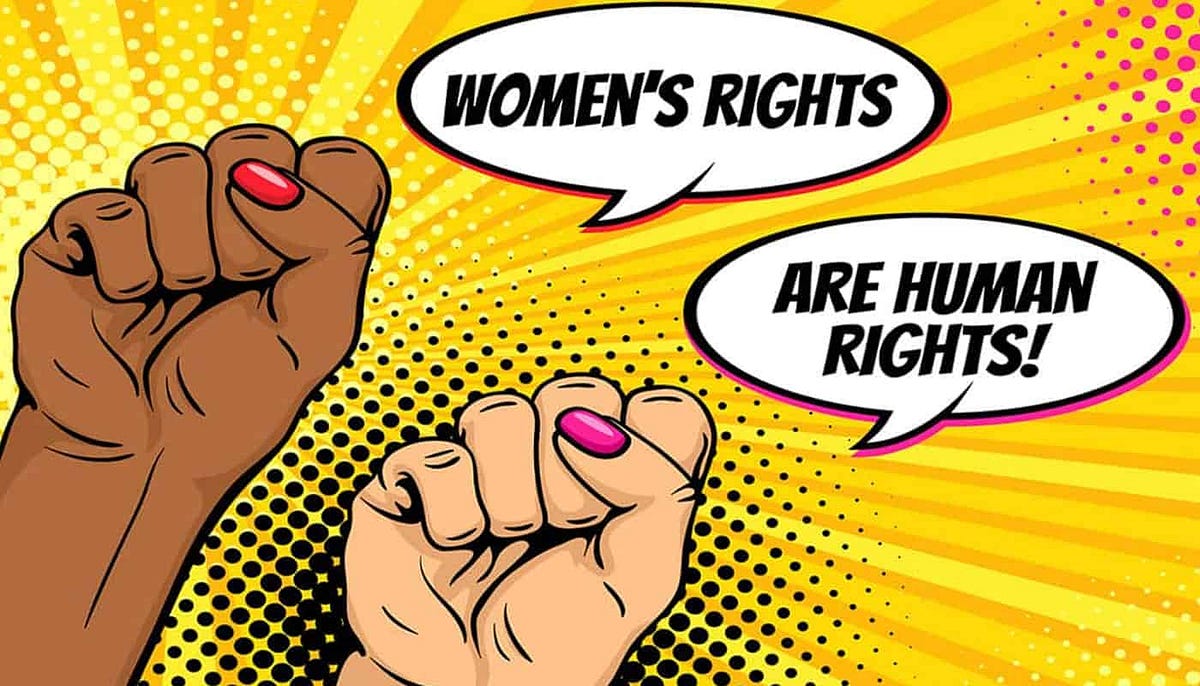
The Paradox of Empowerment: Who Decides What Empowerment Looks Like?
Empowerment is the buzzword du jour in feminist discourse, but who gets to define it? In the West, empowerment often translates to financial independence, career ascension, and bodily autonomy—goals that, while valid, are not universally prioritized. In many cultures, empowerment is tied to community standing, familial respect, or spiritual fulfillment. When Western feminism dismisses these as “false consciousness” or “internalized oppression,” it arrogantly assumes its own metrics are the only valid ones. Consider the backlash against the hijab or arranged marriages in some feminist circles. These practices, deeply rooted in faith and tradition, are framed as oppressive, yet the women who embrace them often report profound personal agency. The feminist export, then, isn’t just a solution—it’s a value judgment, one that privileges Western individualism over cultural integrity.
The Commodification of Feminism: When Activism Becomes a Brand
Feminism in the West has been co-opted by capitalism, turning activism into a marketable aesthetic. The feminist export isn’t just ideological; it’s commercial. Brands slap “girl power” onto products, politicians drape themselves in feminist rhetoric, and social media influencers monetize performative allyship. This commodified feminism is then peddled globally as the ultimate form of liberation, but what does it really offer? A closet full of feminist-themed merchandise and a hollow sense of virtue. The real work of dismantling systemic oppression gets reduced to hashtags and Instagram stories, while the structural inequalities that fuel global patriarchy remain untouched. When feminism becomes a brand, its export is less about justice and more about profit—a Trojan horse disguised as a savior.
The Blind Spot of Intersectionality: Who Gets Left Behind in the Export?
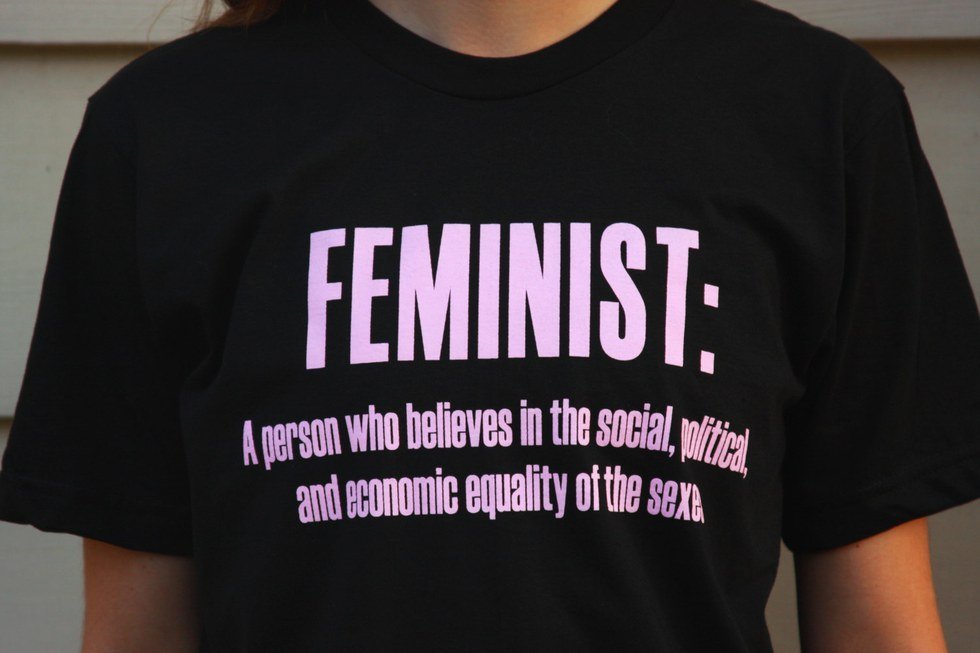
Intersectionality is feminism’s buzzword for inclusivity, but when it’s exported, it often becomes a selective lens. The feminist narrative prioritizes race, class, and gender, but what about cultural specificity? What about the women in the Global South who don’t see themselves in the feminist script? The export of intersectionality frequently flattens these nuances, reducing complex identities to a checklist of oppressions. The result? A feminism that claims to be inclusive but is, in reality, exclusionary—a feminism that speaks for women rather than with them. The export, then, isn’t just incomplete; it’s a distortion, one that erases the very voices it claims to amplify.
The Unintended Consequences: When Feminism Becomes the Oppressor
Perhaps the most damning indictment of Western feminism’s export is its unintended consequences. In some cases, it has exacerbated the very problems it sought to solve. Take the push for “women’s education” in certain regions, where it’s framed as the ultimate feminist victory. But what if that education comes at the cost of indigenous knowledge systems? What if it disrupts local economies that rely on traditional roles? What if it alienates women from their communities, leaving them stranded between two worlds? The feminist export, in its zeal to “liberate,” can become an agent of disruption, uprooting without replanting. The irony is bitter: a movement that claims to fight oppression can, in its global expansion, become the architect of new forms of marginalization.
The Way Forward: A Feminism of Listening, Not Lecturing
So what’s the alternative? A feminism that listens before it lectures. A feminism that recognizes that liberation isn’t a monolith, that the paths to equality are as diverse as the cultures that walk them. This isn’t about rejecting Western feminism outright—it’s about demanding a feminism that’s humble enough to learn, flexible enough to adapt, and wise enough to know that its solutions aren’t universal. It’s about a feminism that asks, “What do you need?” instead of “Why aren’t you like us?” The export of feminism doesn’t have to be a one-way street. It can be a dialogue, a collaboration, a mutual exchange. But for that to happen, the West must first acknowledge that its feminism isn’t the only way—and maybe not even the best way. The real revolution isn’t exporting solutions; it’s exporting humility.











Leave a Comment