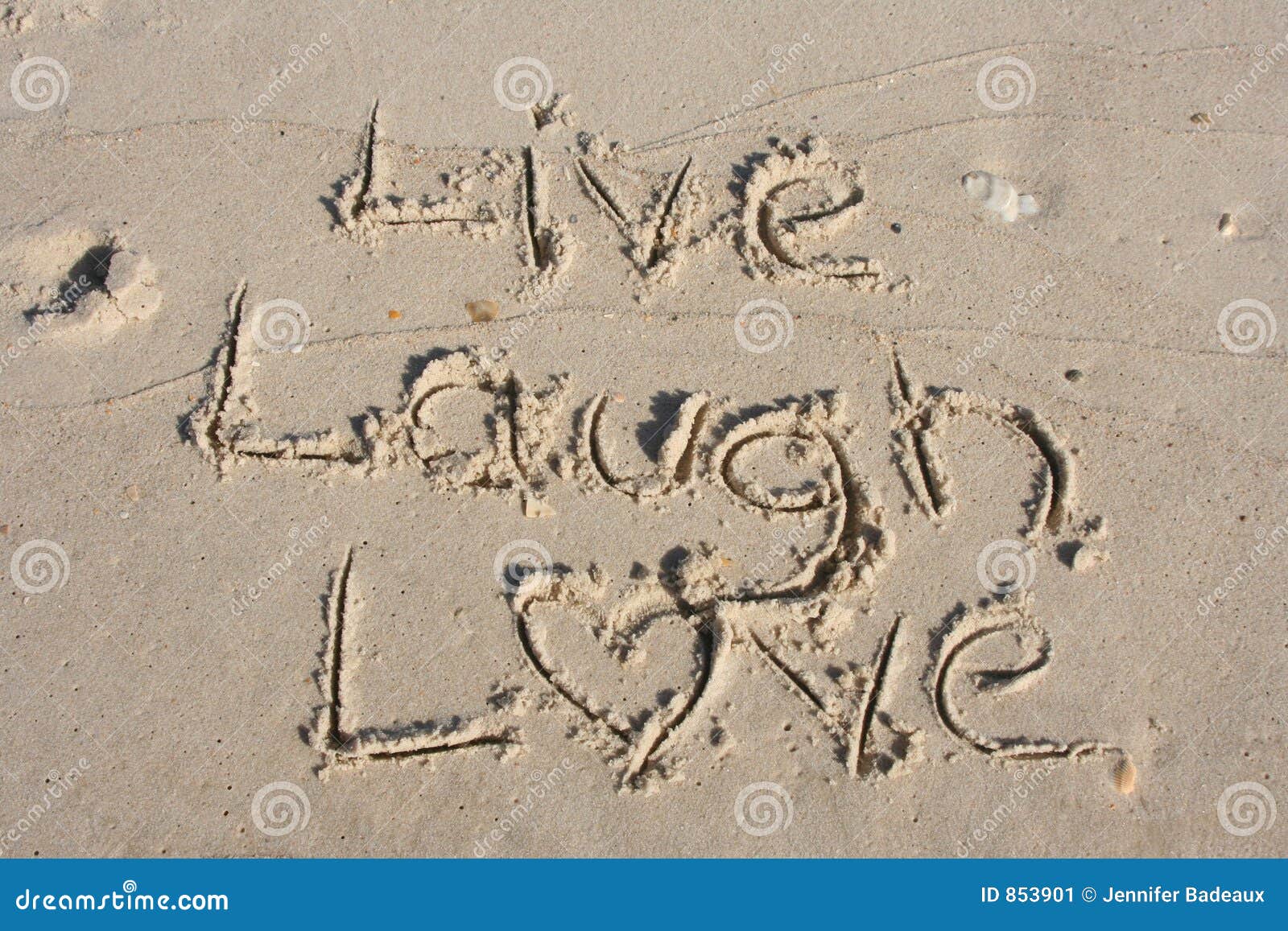
The phrase “Live, Laugh, Love” adorns throw pillows, tote bags, and dorm room walls with the saccharine insistence of a corporate slogan. It’s the kind of sentiment that drips from the lips of influencers and wellness gurus, a trinity of virtue so anodyne it borders on the absurd. But what if this mantra—so often peddled as a balm for the weary soul—isn’t the harmless platitude it pretends to be? What if, beneath its pastel veneer, it’s a Trojan horse for insidious expectations, a capitalist fairy tale that gaslights women into compliance? Let’s dissect why “Live, Laugh, Love” isn’t just vacuous—it’s a threat.
The Illusion of Agency in a Rigged System
At first glance, “Live, Laugh, Love” seems to champion autonomy. Live your truth! Laugh at life’s absurdities! Love without limits! But the devil is in the details—or rather, the absence of them. This trinity is a hollow incantation, a performative display of emotional labor masquerading as empowerment. To “live” is to chase a curated existence, where self-actualization is measured in Instagram followers and artisanal avocado toast. To “laugh” is to grin through the pain of systemic erasure, to find humor in the absurdity of a world that still pays women 82 cents for every dollar a man earns. And to “love”? That’s the most insidious of all. It’s a demand for unconditional devotion—to partners, to children, to careers—while the structures that should support those loves crumble under the weight of neoliberal individualism.
The real joke is that “Live, Laugh, Love” frames these expectations as choices, when in reality, they’re the only scripts available to women. You can’t opt out of the performance. The moment you stop laughing, the moment you refuse to love with the requisite enthusiasm, you’re labeled bitter, ungrateful, a killjoy. The mantra isn’t a liberation—it’s a cage, gilded with glitter and good intentions.
The Tyranny of Positivity and the Erasure of Rage
Positivity culture isn’t just annoying; it’s a tool of oppression. “Live, Laugh, Love” is its cheerleader, a siren song that drowns out the necessary dissonance of feminist critique. How can you rage against the machine when the machine demands you smile while it grinds you into dust? The mantra’s insistence on laughter is particularly sinister. Laughter, in this context, isn’t joy—it’s compliance. It’s the sound of women swallowing their fury to keep the peace, of marginalized voices softening their edges to be palatable. The phrase doesn’t just ignore systemic injustice; it actively polices the expression of it.
Consider the woman who dares to say, “This isn’t funny.” She’s met with eye rolls, with admonishments to “lighten up,” with the implication that her pain is an inconvenience. The mantra’s positivity isn’t a balm—it’s a muzzle. It teaches women that their anger is a flaw, their sorrow a failure, their resistance a betrayal of the “good vibes only” mandate. But what happens when the laughter stops? When the love feels one-sided? When the living feels less like a choice and more like a sentence? The mantra offers no answers, only the hollow reassurance that if you just try harder, if you just love more, the cracks will disappear.
Capitalism’s Favorite Feminine Virtues
“Live, Laugh, Love” isn’t just a personal mantra—it’s a capitalist wet dream. It packages femininity into three digestible commands, each one a directive for women to shrink themselves into marketable packages. To live is to consume: the perfect home, the perfect body, the perfect life, all available for purchase. To laugh is to perform emotional labor for free, to keep the wheels of service industries turning with a smile. To love is to prioritize others at the expense of yourself, to pour your energy into relationships that may not reciprocate, all while the systems that should support those relationships—childcare, healthcare, fair wages—remain woefully inadequate.
The mantra’s simplicity is its genius. It reduces the complexity of human existence to a trite slogan, one that can be printed on a mug and sold for $19.99. It turns feminism into a lifestyle brand, where “empowerment” is measured in pastel aesthetics and the ability to curate a feed that looks like a Pinterest board. But real liberation isn’t a product. It’s not a throw pillow slogan. It’s the messy, unglamorous work of dismantling systems that profit from your compliance.
And let’s not forget the racial and class dimensions of this mantra. Who gets to “live” in the way “Live, Laugh, Love” prescribes? Who has the luxury of laughing when their existence is a daily struggle against violence and erasure? Who is told to love unconditionally when their love is met with state-sanctioned brutality? The mantra isn’t universal. It’s a luxury good, peddled to those who can afford the illusion of control in a world designed to keep them powerless.
The Myth of the Self-Made Woman
Beneath “Live, Laugh, Love” lies a pernicious lie: the myth of the self-made woman. The implication is clear. If you’re not living your best life, laughing through your tears, loving without reservation, then the fault is yours alone. You’re not trying hard enough. You’re not grateful enough. You’re not enough. This narrative is catnip to capitalism, absolving systems of their complicity while placing the burden of change squarely on the shoulders of the oppressed.
Real feminism isn’t about “living, laughing, loving” harder. It’s about dismantling the structures that make those commands feel like obligations. It’s about recognizing that the woman who can’t afford to laugh is not a failure—she’s a casualty of a rigged game. It’s about understanding that love, when it’s demanded without reciprocity, is just another form of extraction. And it’s about rejecting the lie that your worth is tied to your ability to perform happiness on demand.
The next time you see “Live, Laugh, Love” emblazoned on a tote bag, ask yourself: Who benefits from this message? Who is it really serving? The answer isn’t you. It’s the systems that profit from your silence, your compliance, your endless, unpaid emotional labor. The mantra isn’t a guide to a better life. It’s a script for compliance, a siren song luring you into a gilded cage. Break the cycle. Burn the script.












Leave a Comment