What if I told you that the land of the free, the home of the brave, is actually sprinting backward in the race for gender equality? That the United States—once a beacon of progress—now lags behind nations it once considered its peers? The Global Gender Gap Report isn’t just a document; it’s a mirror held up to society, and America’s reflection is looking increasingly distorted. The cracks are widening, the progress is stalling, and the question isn’t whether we’re falling behind—it’s how far we’ve already slipped.
The Illusion of Progress: America’s Stagnant Gender Equality
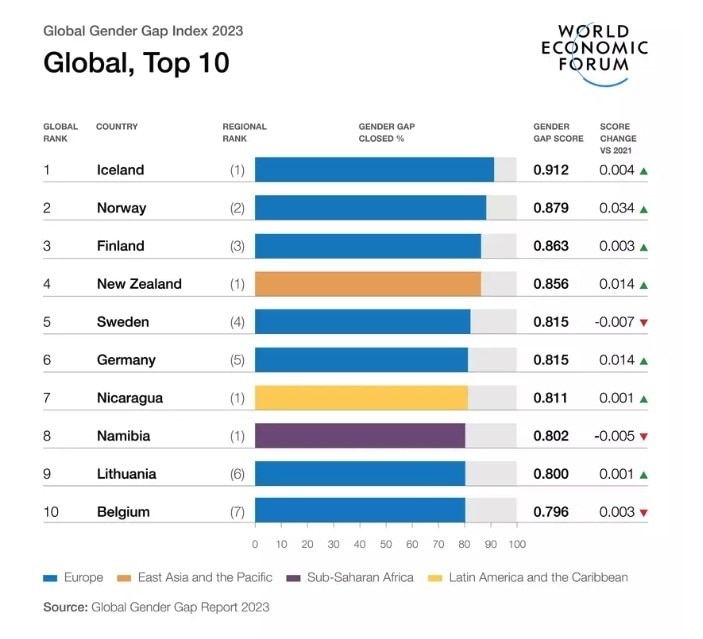
For decades, the U.S. has prided itself on being a global leader in human rights, democracy, and social progress. Yet, when it comes to gender equality, the numbers tell a different story. The Global Gender Gap Report reveals a sobering truth: America is no longer among the top 20 nations in closing the gender divide. While countries like Iceland, Finland, and Rwanda dominate the rankings, the U.S. lingers in the mid-20s—a far cry from its historical self-image as a vanguard of equality.
Consider this: In 2020, the U.S. ranked 53rd in political empowerment for women. By 2024, it had inched up to 43rd. That’s not progress; that’s a crawl. Meanwhile, nations like New Zealand and Germany have surged ahead, proving that gender parity isn’t a distant dream but an achievable reality. The U.S. isn’t just falling behind—it’s being lapped by countries that once looked to it for inspiration.
The illusion of progress is dangerous. It lulls people into complacency, making them believe that the fight for gender equality is over. But the data doesn’t lie. The U.S. is trapped in a cycle of performative feminism—where symbolic gestures replace systemic change, and where lip service to equality masks deep-rooted inequities.
The Political Paradox: Power Without Representation
Nowhere is America’s gender gap more glaring than in its political institutions. Despite making up over 50% of the population, women hold just 29% of seats in Congress. That’s not just a disparity; it’s a democratic failure. How can a nation claim to be a global leader when half its citizens are systematically excluded from the halls of power?
The problem isn’t just numerical—it’s cultural. The U.S. political landscape is still dominated by a toxic blend of sexism and institutional inertia. Women who dare to run for office face a gauntlet of sexist attacks, media scrutiny, and financial hurdles that their male counterparts never encounter. The result? A political system that reflects the biases of the past rather than the aspirations of the future.
And let’s not forget the Supreme Court’s assault on reproductive rights. The overturning of Roe v. Wade wasn’t just a legal setback—it was a full-scale retreat in the fight for bodily autonomy. If a woman’s right to control her own body can be stripped away by a handful of unelected officials, what does that say about the state of gender equality in America?
Economic Disparities: The Wage Gap’s Stubborn Grip
Money talks, and in America, it’s still whispering the same old sexist tropes. The gender pay gap persists, with women earning just 82 cents for every dollar men earn. For women of color, the gap widens further—Black women earn 63 cents, and Latina women earn 55 cents to the white man’s dollar. These aren’t just numbers; they’re a testament to systemic discrimination that refuses to die.
The pandemic didn’t help. Women, particularly mothers, were disproportionately pushed out of the workforce, their careers derailed by a lack of childcare and workplace policies that treat caregiving as a personal failure rather than a societal responsibility. The result? A generation of women who are not just underpaid but underrepresented in leadership roles, their potential stifled by outdated norms.
And yet, the U.S. still lacks federal paid family leave—a basic right in most developed nations. While countries like Sweden and Canada offer months of paid leave, American parents are left to scramble for unpaid time off or rely on the generosity of employers. Is it any wonder that so many women are opting out of the workforce entirely?
The Cultural Divide: Media, Stereotypes, and the Reinforcement of Inequality
Media shapes perception, and in America, it often reinforces the very stereotypes that keep women from achieving true equality. From the underrepresentation of women in film and television to the relentless sexualization of female bodies, the message is clear: women are either invisible or objectified.
Consider the Bechdel Test—a simple measure of gender representation in media. A staggering number of Hollywood films still fail it. Women are sidelined as love interests, sidekicks, or victims, their stories secondary to those of men. And when women do take center stage, they’re subjected to the male gaze, their worth defined by their appearance rather than their intellect or ambition.
Even in the digital age, the internet is a minefield of misogyny. Women in public life face relentless online harassment, from doxxing to death threats. Social media platforms, instead of protecting them, often amplify the abuse. The message is unmistakable: women who dare to speak up will be punished.
The Way Forward: Can America Break the Cycle?
The question isn’t whether America can close its gender gap—it’s whether it has the political will to do so. The tools are there: stronger labor laws, comprehensive paid leave, better representation in media, and an end to the systemic biases that hold women back. But will the powers that be—politicians, corporations, and cultural gatekeepers—finally take action?
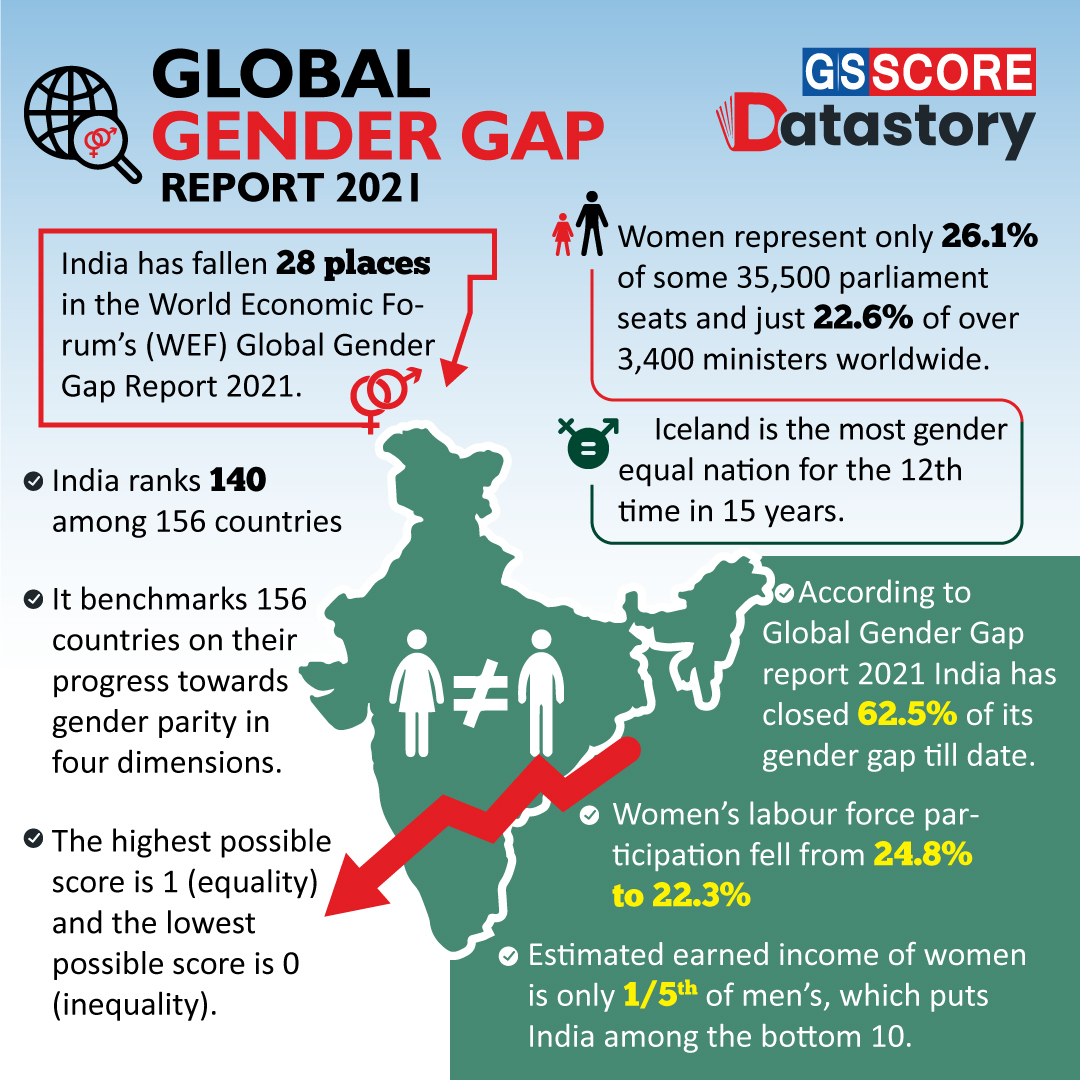
Other nations have shown that change is possible. Rwanda, a country still grappling with the aftermath of genocide, has the highest percentage of women in parliament in the world. Iceland, a small island nation, has topped the Global Gender Gap Report for over a decade. If they can do it, why can’t America?
The answer lies in the heart of the problem: a reluctance to confront the deep-seated biases that permeate every aspect of society. Until America is willing to dismantle the systems that perpetuate inequality, it will continue to fall further behind. The question isn’t whether the U.S. can catch up—it’s whether it even wants to.









Leave a Comment