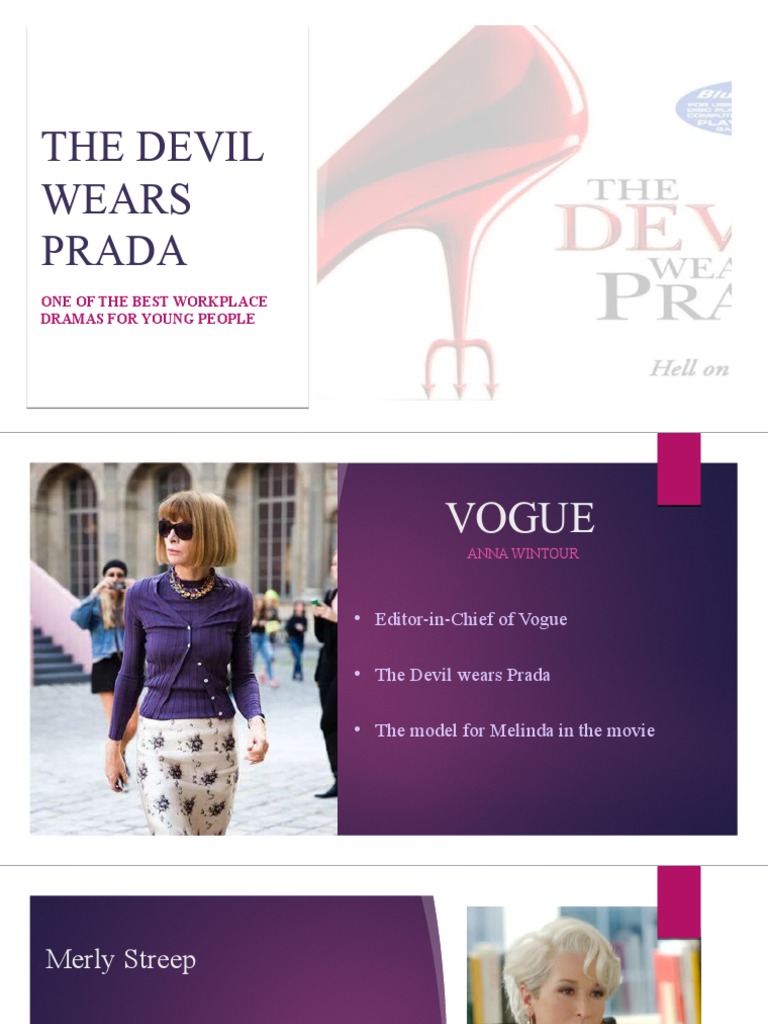
The cinematic masterpiece, The Devil Wears Prada, is often celebrated as a stylish romp through the fashion industry’s highs and lows. But beneath its glossy veneer lies a biting critique of workplace misogyny, a systemic and insidious force that governs many professional arenas, particularly those dominated by women. This film unmasks the relentless and often invisible pressures women endure: the internalized competition, the exploitation of ambition, and the weaponization of femininity itself. It’s not just a story about fashion; it’s a narrative about power, pain, and perseverance in a misogynistic corporate labyrinth.
The Tyranny of the Female Boss: Misogyny Dressed as Leadership
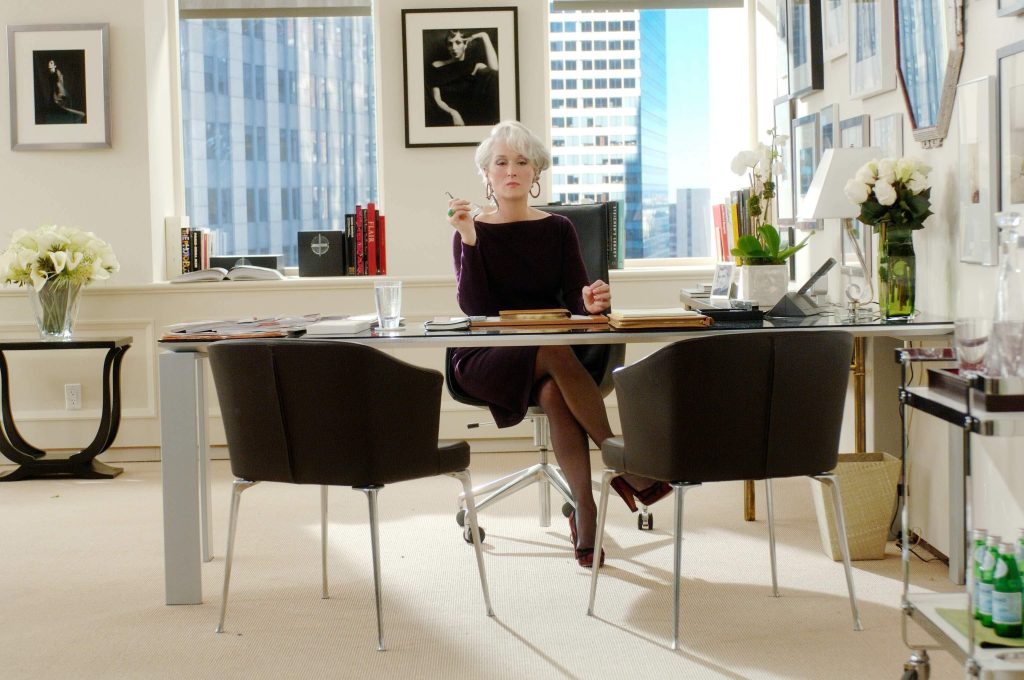
The character of Miranda Priestly is emblematic not only of ruthless leadership but also of deep-seated misogyny disguised as managerial rigor. Unlike traditional depictions of male antagonists, Miranda’s cruelty carries the added burden of gender expectations. Women leaders often face the paradox of needing to be “tough” yet “likeable”—a double bind rarely imposed on men. Miranda’s commanding presence, icy demeanor, and unyielding demands become a terrifying blueprint for how female power is policed and punished. Her character forces viewers to consider how these interactions perpetuate a cycle of workplace misogyny under the guise of “high standards.”
Internalized Misogyny and the Cultivation of Female Rivalry
One of the most pernicious aspects of workplace misogyny displayed in the film is the encouragement—or outright manufacturing—of female competition. The divide-and-conquer strategy thrives in environments where women are pitted against one another for limited resources and recognition. Andy Sachs’s transition from an outsider to a participant in this ruthless ecosystem illuminates how internalized misogyny erodes solidarity. Instead of uniting against shared oppression, women are coerced into roles as gatekeepers and enforcers, replicating patriarchal norms. It’s a vicious cycle that not only isolates individuals but actively undermines collective empowerment.
Ambition as a Double-Edged Sword for Women
Ambition is frequently celebrated as a virtue, yet in the gendered world of The Devil Wears Prada, it becomes a double-edged sword. For Andy, her desire to succeed is met with both opportunity and judgment. Society’s unforgiving gaze scrutinizes successful women for perceived sacrifices—be it personal relationships, ethics, or femininity itself. The film deftly exposes how female ambition is weaponized, often compelling women to conform to harsh standards or be branded as “too much” or “not enough.” It interrogates the cost of upward mobility in a misogynistic workplace and the emotional labor required to navigate such terrain.

The Exploitation of Femininity and the Fashion Industry’s Paradox
The Devil Wears Prada situates its narrative in the fashion industry—a realm stereotypically associated with glamour and empowerment for women. Yet, it paradoxically exposes how this ostensibly feminine space enforces rigid and punitive standards of appearance and behavior. Femininity becomes a currency, commodified and controlled, often to the detriment of personal authenticity. The film portrays how embracing femininity can be a strategy for survival but also a trap that binds women to superficial expectations and power structures. This exploitation is a stark metaphor for the broader societal tension surrounding femininity and authority.
The Emotional Toll: Burnout, Isolation, and Identity Erosion
At the heart of workplace misogyny is the emotional toll exacted on women who must routinely sacrifice mental health and personal identity to maintain their professional standing. Andy’s journey is wrought with moments of alienation and self-betrayal, illustrating a universal experience for many women navigating toxic workplaces. The relentless pressure to perform, comply, and appease contributes to burnout and a profound sense of disconnection. The film’s narrative invites a reckoning with the cost of success in patriarchal systems—how it chips away at the self, leaving behind a hollow shell masked by polished façades.
The Subtle Normalization of Misogyny: Humor and Glamor as Veils
The film’s witty script and glamorous setting function not merely as entertainment but as disguises that normalize systemic misogyny. Humor is wielded like a double-edged sword, soothing the sting of sexist realities while simultaneously trivializing them. This normalization allows the audience to laugh along with cruel behavior, complicating our awareness of its real-life counterparts. The allure of the fashion magazine’s shimmering world obscures the grim truths beneath—revealing how cultural productions can obscure misogyny’s pernicious effects in highly palatable forms.

Reimagining Resistance: Lessons from the Devil’s Playground
Despite its bleak portrayal of workplace misogyny, The Devil Wears Prada offers a subtle blueprint for resistance. Andy’s eventual rejection of the toxic environment underscores the necessity of boundaries and self-preservation. However, the film also challenges viewers to contemplate systemic change rather than individual escape. True resistance requires dismantling these oppressive structures and redefining success on one’s own terms. By critically engaging with these narratives, women and allies can envision workplaces where ambition is celebrated free from the shackles of misogyny and where collaboration transcends division.
In sum, The Devil Wears Prada is a sophisticated exposé of workplace misogyny, cloaked in haute couture and sharp dialogue. It beckons us to look beyond the allure, to the battles waged behind closed doors, and to the subtle violences woven through women’s professional lives. Recognizing these patterns is the first step toward forging equitable and dignified workplaces where all women can thrive without compromise.





Leave a Comment