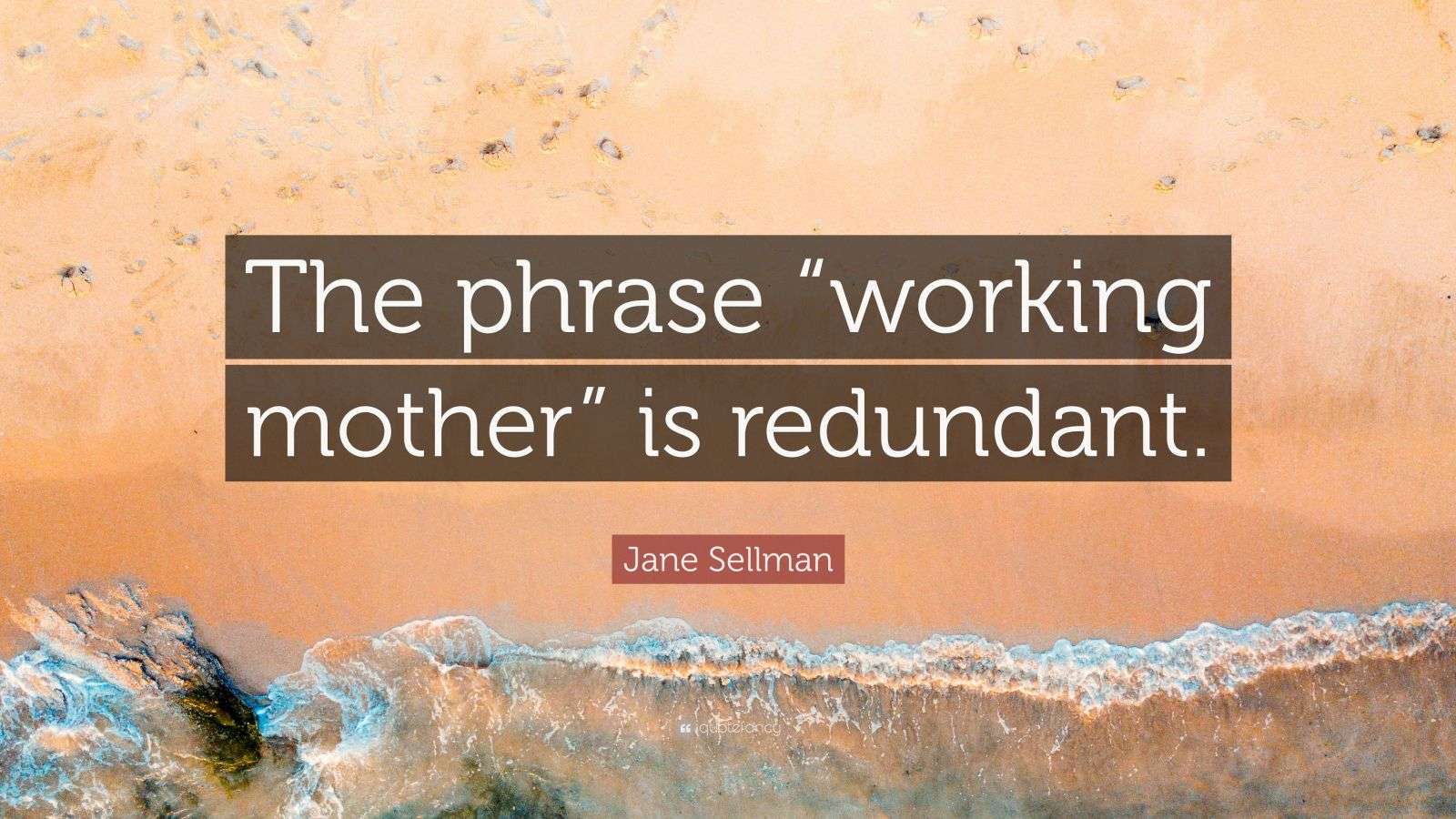
What’s in a phrase? Can three little words truly encapsulate centuries of cultural bias, societal expectations, and an uneven distribution of labor? Consider the phrase: “working mother.” Doesn’t it strike you as somewhat redundant—almost like calling someone a “breathing human” or a “thinking student”? And yet, we scarcely bat an eye at “working father,” which somehow sounds… revolutionary. Why is that? Why does the language we use subtly gatekeep a deeper conversation about gender roles, labor, and identity? The linguistic landscape here isn’t just about semantics—it’s a battlefield for recognition, equality, and social transformation.
The Redundancy of “Working Mother”: A Linguistic Truth Bomb
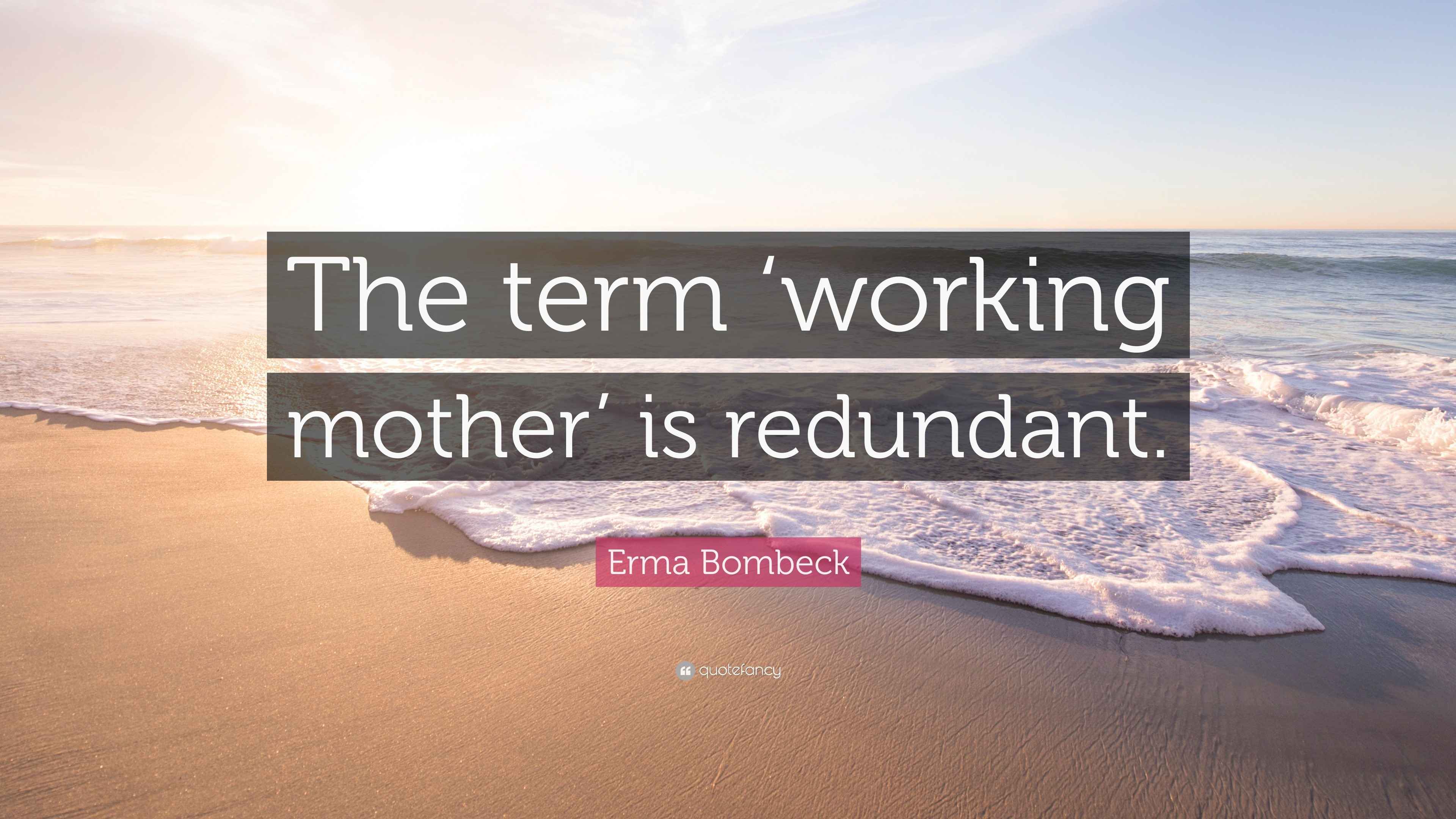
Note the inherent absurdity: why is it even necessary to specify “working” when it comes to mothers? The phrase implicitly suggests that motherhood itself is an all-consuming occupation—an identity so tied to child-rearing and domestic responsibility that any work outside those realms supposedly requires an exceptional qualifier. The term “working mother” preserves a cultural illusion that mothers have a default role confined to homebound labor, caregiving, emotional management, and invisible household work.
By tagging “working” in front of “mother,” society signals a cognitive dissonance: mothers are expected to be fully occupied with unpaid labor —the mental load, the multitasking marathon—before even considering any form of financial or professional contribution. Essentially, the phrase undermines and marginalizes the spectrum of responsibilities many women shoulder simultaneously. It’s as if saying “working mother” acknowledges her effort while simultaneously positioning it as an anomaly.
Invisible Labor: The Mythical “Stay-at-Home” Mother Who Never Really Stays Home
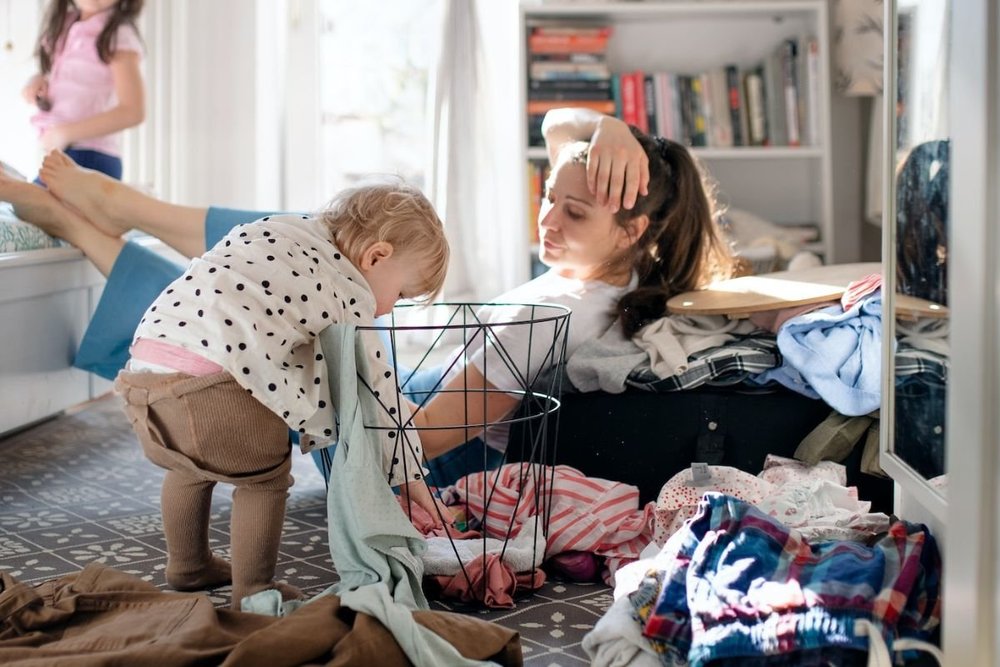
The redundancy in “working mother” unveils a harsh, unspoken truth: mothers don’t get to stop working, even when they’re not clocked in at a paid job. The unpaid domestic labor—feeding, cleaning, mediating sibling wars, late-night reassurances—constitutes a relentless full-time job without salary, recognition, or time off. Mothers are perpetually “working” because society hasn’t adjusted its definition of work to include invisible and undervalued activities that keep families and communities afloat.
This mythologized “stay-at-home” mother is, in many respects, a labor titan who juggles crucial responsibilities beyond measurable metrics of economic productivity. Yet our language insufficiently grapples with this. We cling to outdated binaries that either glorify motherhood as an exclusive calling or necessitate a defensive “working” label when mothers step beyond traditional boundaries. It’s linguistic inertia fueled by patriarchal nostalgia.
Why “Working Father” Rings Like a Revolutionary Note
Now, flip the script. When we hear “working father,” the phrase rarely feels redundant. In fact, for most of history, the working man was—and still is—the normative archetype. A working father is expected. His labor outside the home is the societal baseline, the economic cornerstone of the family unit. What makes “working father” revolutionary, then? It’s the rare, often applauded exception when fathers engage beyond this script—when they balance childcare, domestic work, or part-time jobs in ways that disrupt the entrenched patriarchal order.
“Working father” can mean a man taking paternity leave, breaking free from the shackles of “breadwinner” expectation, or actively participating in emotional and routine caregiving tasks. This linguistic rarity signals a cultural shift. A working father challenges norms so fundamentally that it grabs headlines and ignites debates about masculinity, entitlement, and progress. It’s revolutionary precisely because the baseline image of fatherhood traditionally excluded the diverse facets of care and domesticity intrinsic to motherhood.
The Socioeconomic Fault Lines Beneath the Language
Language doesn’t evolve in a vacuum. The redundancy of “working mother” and the novelty of “working father” reveal fault lines in the socioeconomic landscape. Women, particularly mothers, disproportionately experience wage penalties, career interruptions, and glass ceilings. While labor participation has increased, recognition hasn’t quite caught up outside the paycheck.
In contrast, men’s participation in unpaid domestic work—though growing—is often hailed as exceptional and brave. The enthusiasm for “working fathers” reflects society’s ongoing struggle with dismantling gendered labor divisions. Thus, the phrase “working father” doesn’t only describe labor status; it becomes a symbol of hope for a more egalitarian future where caregiving and income generation are decoupled from rigid gender roles.
Reimagining the Narrative: Toward Equitable Terminology and Realities
If language shapes perception, then it’s high time to reimagine these terms. Why cling to “working mother” when it entrenches the idea that mothering without pay isn’t work? The conversation must shift to highlight that mothers work whether or not they clock into an office, and fathers can—and should—share the full gamut of labor inside and outside the home without the need for qualifiers.
By dismantling these phrases, society can challenge expectations perversely maintained by outdated lexicons. Let’s envision a world where “parent” itself is a working identity, embracing all facets of labor from childcare coordination to professional ambition. This shift would disrupt patriarchal valuations and push us closer to a reality where equity isn’t an anomaly but the norm.
Conclusion: Language as Revolution and the Path Ahead
So, is the phrase “working mother” truly redundant? Undeniably yes, because it reflects a tired, patriarchal worldview that undervalues women’s and especially mothers’ contributions. Meanwhile, “working father” still sounds revolutionary because society struggles to place men outside old paradigms of sole breadwinning and disconnected fatherhood.
This linguistic imbalance is a mirror reflecting ongoing gender battles in the home and workplace. To move forward, it’s imperative to expose the absurdity cloaked within these terms and advocate for a language—and a society—that embraces the full humanity, capabilities, and shared responsibilities of all parents. Words can wound. Words can empower. This is the word revolution we desperately need.








Leave a Comment