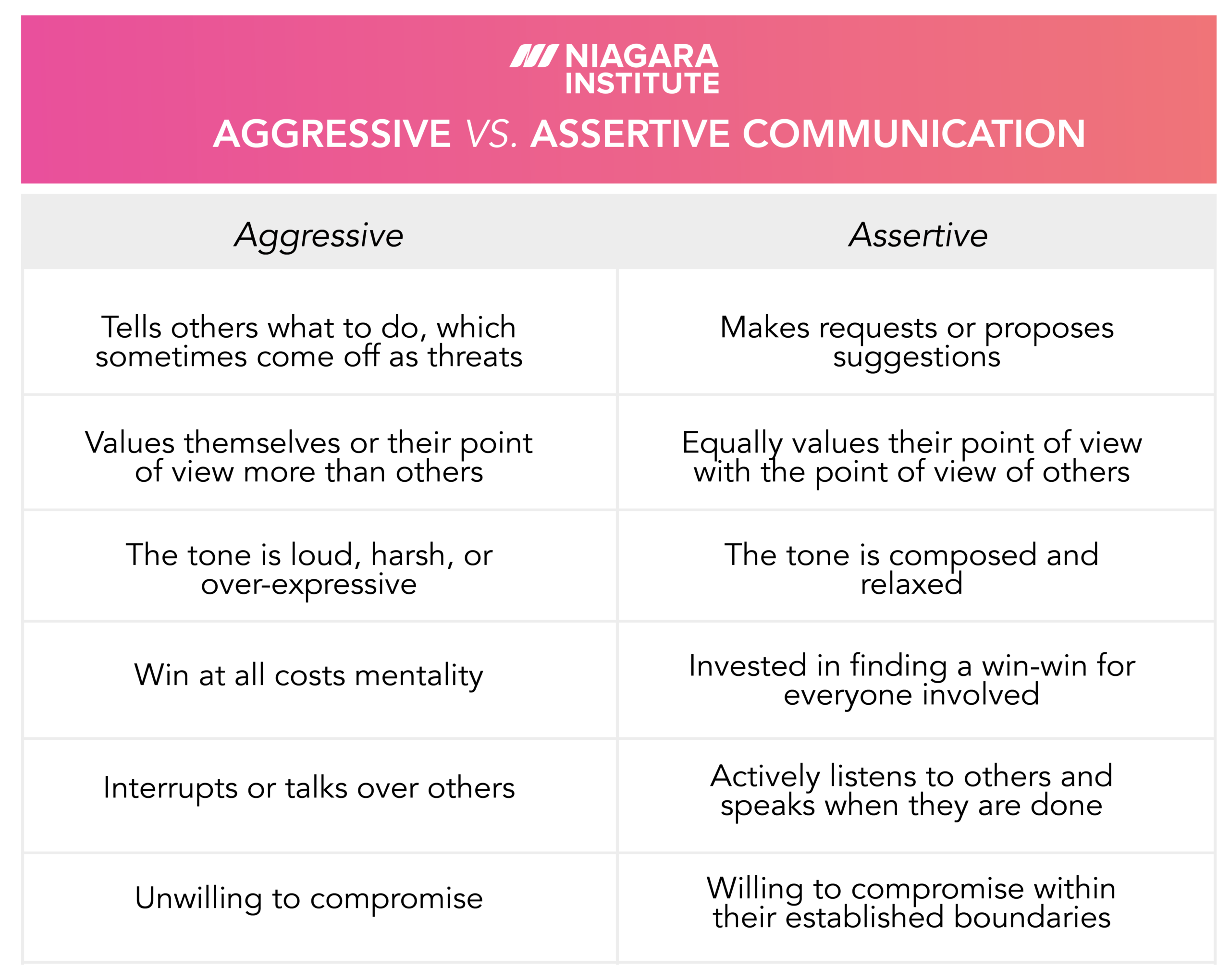
Imagine walking into a room where the air itself judges your tone, where the same phrase spoken by two people sets off wildly different reactions. You raise your voice to state a fact, and suddenly, you’re “aggressive.” Yet when your boss does the same? Oh, that’s “assertive.” This is no mere coincidence or harmless quibble over words. It’s a pernicious dynamic embedded deep within the architecture of power, language, and gender. The double standard in communication is a minefield—a labyrinth rigged to silence some voices while amplifying others. Let’s unravel the tangled skein of why your boss calls you aggressive but calls him assertive.
The Language of Power: When Words Become Weapons
Language is a battleground, and words are far from neutral. Calling someone “aggressive” can be a strategic act of disempowerment cloaked in politeness. It’s a subtle weapon designed to curb dissent and maintain hierarchical control. When a boss brands your directness as aggression, it’s less about your tone and more about the threat your confidence poses to the status quo. Assertiveness in their mouth sounds like leadership; in yours, a challenge. This linguistic sleight of hand polices boundaries, enforcing who may speak freely and who must recede.

Think of it as a grandmaster playing chess. Every word your boss utters is a calculated move to protect his king. Your words are pawns, sacrificed or condemned, because your assertiveness threatens to checkmate his control.
Gendered Glass Ceilings in Tongue and Tone
Gender amplifies this dynamic in brutal ways. Society has long tethered women’s voices to notions of warmth, accommodation, and meekness. When a woman steps beyond those expectations—when her voice carries the weight of conviction or her tone hardens—it is an anomaly to be punished with the “aggressive” label. Her boss’s assertiveness is accepted as confidence; hers is a transgression. This split is a linguistic manifestation of the glass ceiling, invisible but unyielding.

Women’s words become suspect because they disrupt an ingrained narrative that equates leadership with masculine traits. This biased lens distorts perception, converting healthy assertiveness into something threatening and undesirable when exhibited by women, but dignified and expected in men.
The Myth of “Tone Policing” and Its Role in Workplace Suppression
One of the most insidious tools in this arsenal is the myth of “tone policing.” It’s the act of redirecting attention from the content of a message to the manner of its delivery. Instead of addressing the legitimate points someone raises, their emotional tenor is scrutinized and weaponized, often disproportionately against marginalized voices. Your boss calling you aggressive instead of listening is a classic example.
Underneath the veneer of professionalism lies a fear—a fear that genuine assertiveness upsets the artificial calm the workplace hierarchy tries to maintain. Tone policing mutates into a gatekeeping mechanism. It tells you, quite plainly, that your views are only acceptable if they come wrapped in deference and docility.
Assertiveness vs Aggression: The Chameleon Codes of Workplace Culture
At its core, assertiveness is about clarity, confidence, and respect—qualities essential for equitable dialogue and decision-making. Aggression, however, implies hostility and disrespect. The problem arises when these definitions shift like sand beneath your feet, depending on who speaks and who listens. Your boss’s assertiveness and your aggression are identical behaviors—yet labeled in subjective shades to uphold systemic inequities.

This chameleon-like nature of communication codes is a tool for preserving power asymmetry. Labels serve as a filter that distorts perception, ensuring that legitimacy and respect are rationed unequally. This hidden script favors the dominant group while penalizing those who dare disrupt the narrative.
Reclaiming the Narrative: Strategies for Shifting the Paradigm
Understanding this dynamic is the first step toward dismantling it. To reclaim your voice, it’s vital to sharpen your awareness of how these labels function. Assertiveness must be reclaimed not as a gift bestowed upon the privileged, but as a right for all. This requires not just personal courage, but collective action and cultural change—in language, leadership, and values.
Here are steps to challenge this terrain:
- Document interactions: Record how your communication is labeled differently, creating a visible audit trail.
- Use strategic framing: Mirror the boss’s language when communicating—reclaim what “assertive” means by consciously embodying it.
- Build alliances: Find colleagues who recognize the disparity and amplify your shared experiences.
- Push for training: Advocate for workplace programs that address unconscious bias in communication.
- Own your emotions: Embrace your feelings as valid signals rather than liabilities to be hidden.
The battle is not just for your voice, but for a workplace that respects genuine assertiveness regardless of gender, race, or status.
The Future of Communication: Beyond Mantras and Labels
We stand at a crossroads. The old scripts are breaking down under the weight of growing social consciousness. But new narratives must be consciously written—ones that honor diversity in communication styles and dismantle linguistic hierarchies built on outdated power dynamics.
True assertiveness will become not a privilege cloaked in selective language, but a collective ethos where all can speak their truth without the fear of being tagged as “too much.” The metamorphosis from “aggressive” to “assertive” in your voice is ultimately a radical act of reclaiming space, respect, and power.
So next time your boss calls you aggressive while patting himself on the back for being assertive, remember: you’re not the problem. You’re the necessary disruption.









Leave a Comment