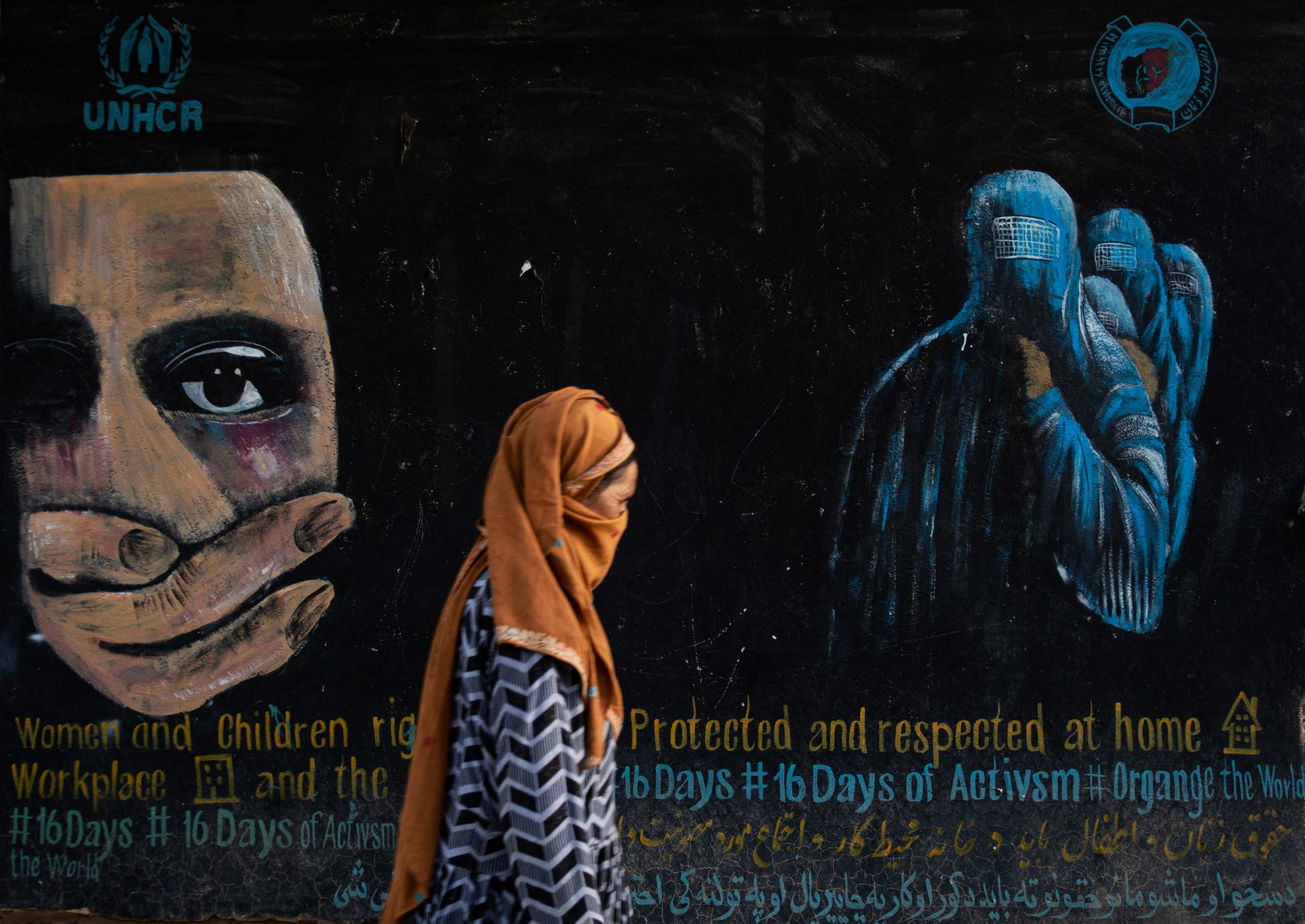
The fall of Kabul in August 2021 was not merely a geopolitical tremor—it was a tectonic shift in the lives of Afghan women, a sudden and brutal erasure of rights that had been painstakingly carved out over two decades. What happened in those days was not an accident of history, but a calculated dismantling, a silent coup against half the population. The world watched as the Taliban reclaimed power, and with it, the futures of millions of women vanished like smoke in a desert wind. This is not just a story of lost freedoms; it is a chronicle of how quickly progress can be unraveled when the forces of oppression are given free rein.
The Illusion of Progress: A House Built on Shifting Sands
For twenty years, Afghanistan was a paradox—a nation where women walked the streets with textbooks in hand and stethoscopes around their necks, yet beneath the surface, the roots of patriarchy festered, unchallenged. The international community poured billions into education and healthcare, but the structures of power remained untouched. Women’s rights were a glittering facade, a Potemkin village of progress, sustained only by the presence of foreign troops and foreign funds. When the last American soldier left, the illusion crumbled. The Taliban did not need to storm the gates of modernity; they simply waited for the world to tire, and then they walked in through the back door.
The tragedy is not that the Taliban returned—it is that they were never truly gone. Their ideology simmered in the shadows, in the whispers of mullahs and the silent nods of men who paid lip service to women’s education while keeping their own daughters locked in domestic prisons. The international community treated women’s rights as a bargaining chip, a concession to be traded for stability, rather than an inalienable demand. And so, when the music stopped, the women were the first to be silenced.
The Taliban’s Playbook: A Masterclass in Erasure
The Taliban’s strategy was not one of brute force alone—it was a surgical strike against the very idea of women’s autonomy. They began with the most visible symbols: the girls’ schools, the women’s universities, the female journalists and activists. Each closure was a domino, toppling the next. But their tactics were far more insidious than mere prohibition. They weaponized shame. They turned education into a crime, healthcare into a privilege, and freedom into a sin. A woman stepping outside without a male guardian became not just a violation of law, but a moral stain on her family. The message was clear: compliance was survival.
Consider the fate of Afghanistan’s female athletes. Once celebrated on the global stage, they are now hunted like ghosts. Their medals, once symbols of defiance, are buried in drawers or sold for bread. The Taliban’s edicts did not just ban sports—they banned the very notion of a woman’s body as something capable of strength, of joy, of ownership. This is not just oppression; it is a form of necropolitics, where the state decides who may live and who must fade into the margins of history.
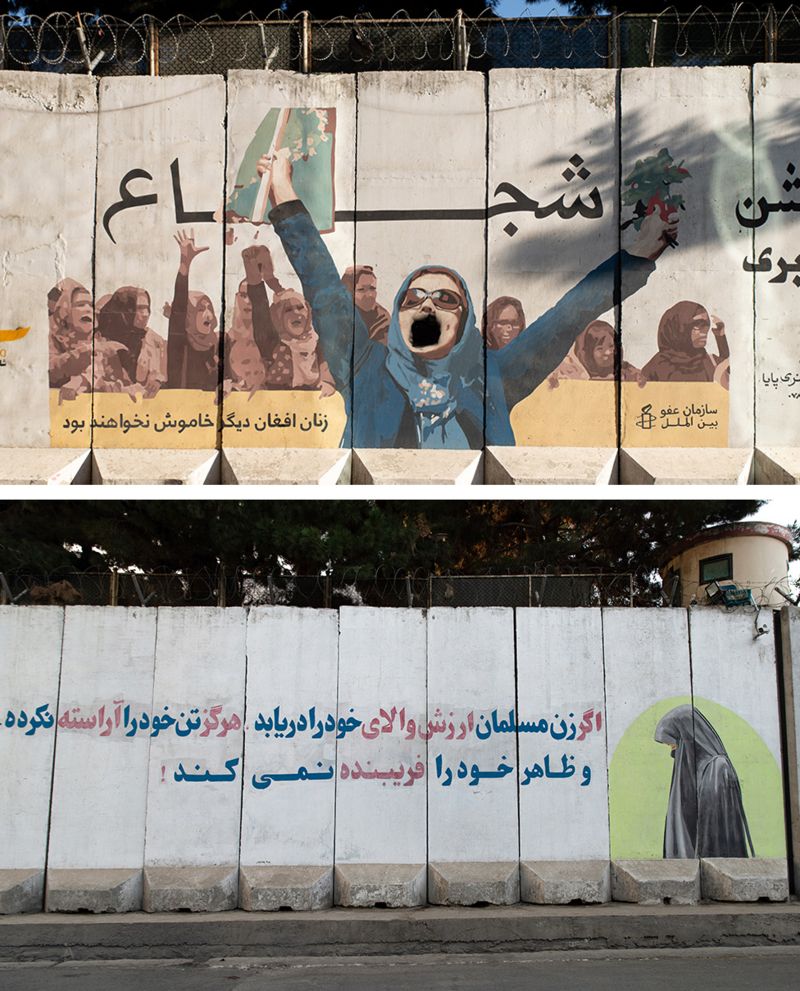
The World’s Complicity: A Dance with the Devil
The international community did not just fail Afghan women—they actively enabled their undoing. For years, governments and NGOs treated the Taliban as a necessary evil, a lesser evil, a pragmatic partner in the name of “stability.” They turned a blind eye to the creeping restrictions, to the arrests of activists, to the forced marriages of young girls to Taliban commanders. They called it “realpolitik.” Afghan women called it betrayal.
Even now, as the Taliban tighten their grip, the world’s response is a whisper, a murmur of concern drowned out by the clamor of other crises. Sanctions are imposed, but not on the men who issue the decrees—they are imposed on the women who dare to resist. Aid is withheld, but not from the warlords who profit from the suffering. The message is unmistakable: Afghan women are expendable. Their rights are a luxury, their voices an inconvenience.
This is the paradox of modern feminism: it thrives in the West, where women fight for equal pay and reproductive rights, but wilts in the face of geopolitical convenience. The same governments that champion gender equality at home send women back to the Stone Age when it suits their interests. They speak of “human rights” in the halls of the United Nations, then shake hands with men who treat women as chattel. Where is the outrage? Where is the fury? It seems the world is content to let Afghan women rot in the name of “peace.”
The Resistance: A Flame That Burns in the Dark
Yet, even in the depths of despair, Afghan women refuse to be erased. Underground schools operate in secret, their teachers risking imprisonment or worse. Women journalists smuggle out stories under the cover of burqas. Activists, like the fearless Malala Yousafzai of Afghanistan, continue to speak out, their voices crackling through encrypted apps and whispered networks. This is not passive suffering—it is defiance in its purest form.
The resistance is not just a moral imperative; it is a strategic one. The Taliban’s greatest fear is not bombs or sanctions—it is the unbroken spirit of Afghan women. Every girl who learns to read in secret, every woman who refuses to wear the hijab as a noose around her neck, every mother who teaches her daughter that she is more than a vessel for male honor, is a bullet in the heart of the regime. The Taliban understand this. That is why their crackdowns are so vicious, why they target female teachers and doctors with such precision. They know that an educated woman is a woman who cannot be controlled.
But the resistance is fragile. It depends on the world’s attention, and the world has already moved on. The cameras have panned away. The hashtags have faded. The women of Afghanistan are left to fight alone, their voices echoing in an empty chamber. The question is not whether they will resist—it is whether the world will finally listen.
The Future: A Mirror Held to the World’s Soul
What happens in Afghanistan is not just an Afghan tragedy—it is a global one. It is a test of our collective humanity. Will we stand by as women are erased from public life? Will we accept that their rights are negotiable, that their suffering is a price worth paying for “stability”? Or will we finally recognize that the fight for women’s rights is not a regional issue, but a universal one?
The Taliban’s victory is not just their own—it is a victory for every misogynist regime, every authoritarian strongman, every man who believes a woman’s place is in the home. It is a warning. The rights we take for granted today can vanish overnight. The freedoms we assume are permanent can be revoked with a stroke of a pen. The question is not whether this will happen elsewhere—it is when.
Afghanistan is not an outlier. It is a canary in the coal mine. The world must decide: will we let the darkness spread, or will we light a fire in the name of justice? The women of Afghanistan are waiting. And history will judge us by how we answer.






Leave a Comment