
There’s a peculiar linguistic footprint women leave in everyday conversations—a habitual sprinkling of “just” and “sorry” that often goes unnoticed, yet speaks volumes. These disclaimers slip into sentences almost reflexively, veiling assertions, softening demands, and preemptively apologizing for presence itself. It is a linguistic tic embedded in social narratives, reflecting historical subjugation and ongoing expectations to appear agreeable, diminutive, and non-threatening. But why do women say “just” and “sorry” so prolifically? And how can we—radically and consciously—eradicate these verbal self-deprecations from the lexicon of empowered expression? This exploration digs beneath surface observations, confronting the cultural intricacies that sustain these habits while forging a path towards liberation through language.
The Lingering Shadow of Social Conditioning
To understand the omnipresence of “just” and “sorry” in women’s speech, one must probe the profound influence of social conditioning. From infancy, females are nurtured within frameworks that prize compliance and placation over assertiveness. This isn’t mere happenstance but a structural imprint from patriarchal architectures of power. Women are linguistically trained to temper their voice—to appear less threatening, less demanding, and perpetually apologetic for staking space in dialogue.
“Just” emerges as a linguistic hedge, a tiny concession designed to minimize demands or opinions. “Sorry” functions as an anticipatory buffer, protecting the speaker from perceived relational rupture. This conditioning seeps from childhood admonitions that it’s impolite to interrupt, too forward to insist, or inappropriate to occupy too much emotional or conversational bandwidth. Essentially, “just” and “sorry” are verbal armor fashioned from the need to navigate a social world that routinely penalizes female assertiveness.
The Power Dynamics Embedded in Everyday Speech
Language is never neutral. It is the battleground where power dynamics are entrenched and perpetuated. When women say “I’m sorry” unnecessarily, it signals an internalized power imbalance, a tacit admission of inferiority or guilt. This habitual apologizing communicates a submissive stance, ingraining perceptions of women as less dominant or authoritative figures.
Similarly, “just” is weaponized to attenuate statements, converting robust declarations into tentative requests or excuses. Rather than asserting, “I want,” “I need,” or “I believe,” prefacing these with “just” blunts impact, implying less entitlement or urgency. This linguistic humility reflects and reinforces systemic inequalities—it’s a rhetoric of reduced agency, a verbal manifestation of restricted power.
The Psychological Underpinnings: Fear and Need for Connection
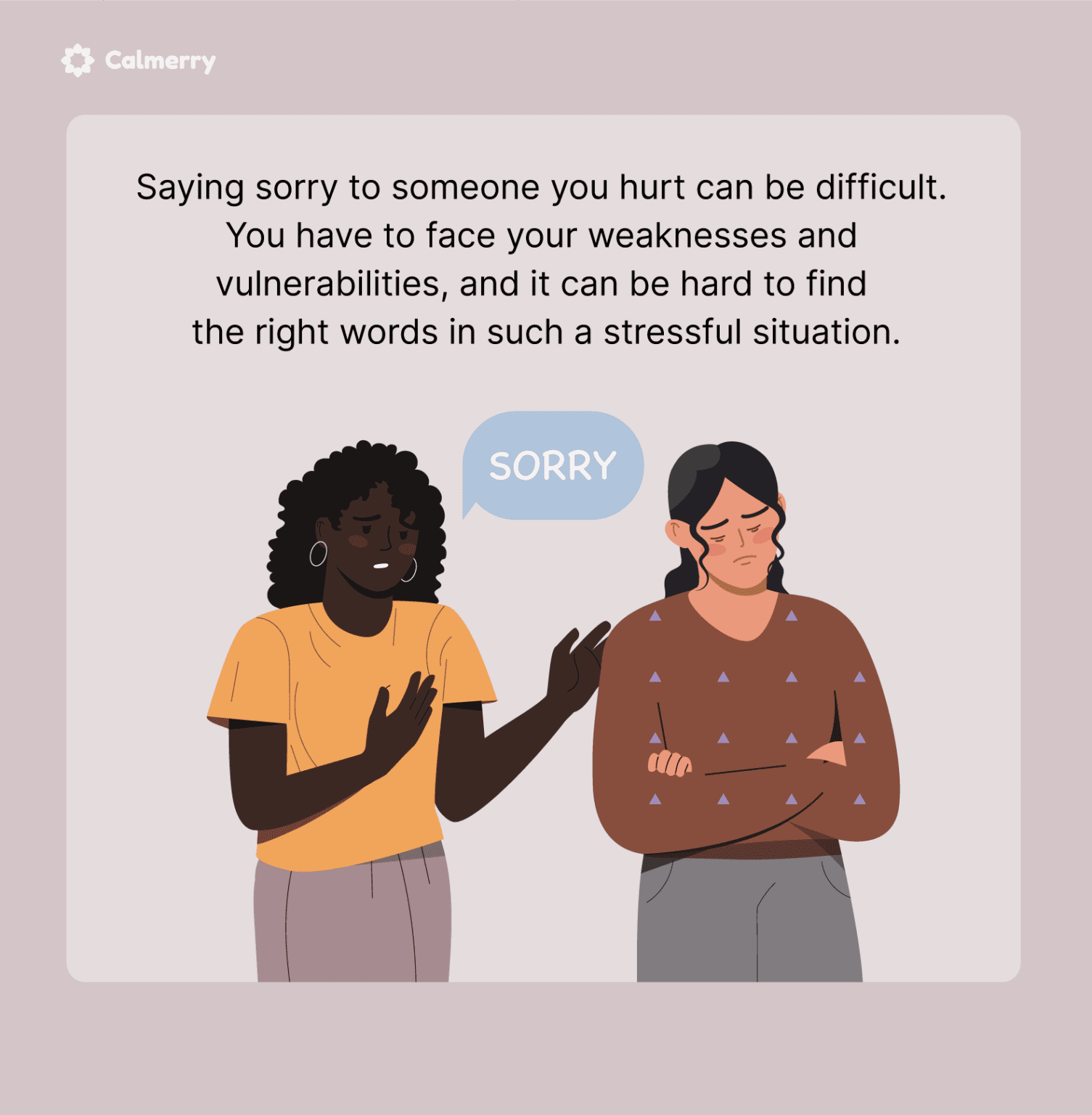
Beyond social conditioning and power structures lie the psychological substrata that drive verbal apologetics. Women often apologize not because they have overtly wronged but because of a pervasive fear of social alienation or confrontation. Apologizing becomes a tool for preserving harmony—even at the expense of truth or authentic self-expression.
In many interpersonal settings, women are taught to prioritize relationship maintenance over personal comfort or respect. Saying “sorry” prematurely is an appeasement strategy, an attempt to pacify perceived fragility in social bonds. The overuse of “just” likewise masks assertiveness with a veneer of modesty, aligning with cultural scripts that demand women be agreeable and nurturing above all else. These patterns are emotionally exhausting, internalizing a paradox where strength is displaced by submission masked as politeness.
Unpacking ‘Just’ and ‘Sorry’: The Microaggressions of Language
While they may seem trivial, these words are microaggressions against female autonomy and voice. Every “just” or “sorry” uttered unnecessarily chips away at a woman’s right to occupy her full presence. They shrink declarations, dilute confidence, and throttle the expansive potential of speech. In professional settings, this erodes authority and undermines leadership; in personal spaces, it diminishes self-worth.
“I just wanted to say…” or “Sorry to bother you…” are more than polite habits. They are linguistic reflections of an unspoken mandate—to temper one’s presence so it fits into existing power hierarchies. This linguistic self-censorship is insidious because it invisibly perpetuates inequality while masquerading as etiquette.

The Revolutionary Act of Linguistic Reclamation
Transcending these verbal habits is nothing short of revolutionary. Deleting “just” and gratuitous “sorry” from everyday speech is a defiant reclaiming of space and voice. It forces a recalibration of self-perception, a shift from apologetic to assertive.
Imagine the liberation in saying, “I want this,” without cringing or hedging. “I need more time,” rather than “I’m sorry, but….” These might appear minor shifts, yet their cumulative impact is seismic: rewriting internalized scripts of worthiness, recalibrating social expectations, and re-engineering interactions around respect instead of deference.
Practical Strategies to Eradicate Linguistic Self-Subjugation
Breaking free from these verbal constraints demands conscious, persistent effort, and self-awareness. Begin by cataloging moments when “just” and “sorry” are uttered unnecessarily. Does the apology precede a simple request? Is “just” disarming a confident demand?
Replace apologies with gratitude or neutral statements. For instance, swap “Sorry for the long email” with “Thank you for taking the time to read.” Excise “just” to fortify sentences—“I want to discuss…” gains power without a diminutive prefix.
Practice asserting needs and opinions without prefacing them with diminutives. Encourage feedback to desensitize social circles to direct communication, gradually shifting relational dynamics towards equality. Language retraining, albeit challenging, rewires cognitive and social patterns.
Beyond Words: Cultivating an Environment That Respects Female Voices
The burden of change should not rest solely with women. Societal and institutional frameworks must evolve to honor directness without penalizing it. Normalizing unfiltered female speech requires a collective dismantling of biases that infantilize women’s expressions.
Creating spaces where women feel safe to assert without apology transforms not just individual vocabularies but cultural narratives. It challenges the expectation that women must be modifiers rather than magnifiers—the quiet undercurrent that hums beneath the surface of language itself.

Conclusion: From Apology to Assertion
The linguistic habits of “just” and “sorry” are not merely slips of tongue but signifiers of entrenched social rituals that keep women complicit in their own subjugation. To delete these words is to enact a daily rebellion, a refusal to diminish oneself commercially or emotionally. It calls for embracing the discomfort of unapologetic presence—a radical reclaiming of voice that reverberates far beyond words.
Language shapes realities. When women stop saying “just” and “sorry” without cause, they start saying “here I am” with force and clarity. This is not politeness at the expense of power; this is power wrought through deliberate, unyielding authenticity. And it is about damn time.









Leave a Comment