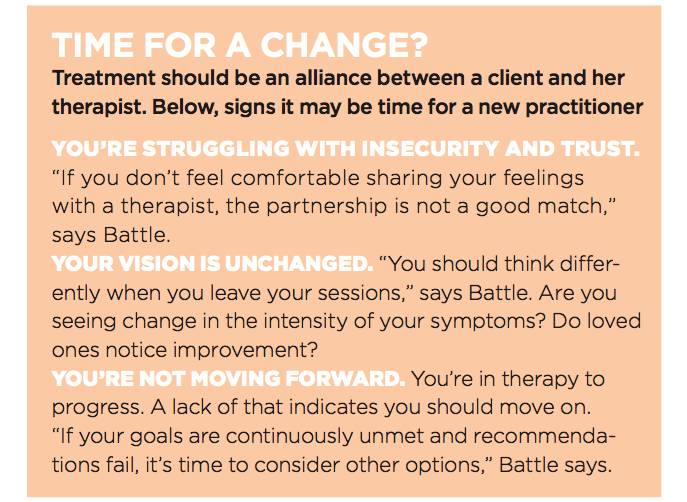
What if I told you that the hallowed halls of therapy—those sterile, beige-walled sanctuaries where we’re supposed to unpack our traumas like neatly folded laundry—were never designed with *you* in mind? Not if you’re a woman of color. Not if your ancestors’ screams still echo in the marrow of your bones. Not if the very language of healing was carved from the chisel of a system that has, for centuries, treated your pain as collateral damage in the war of progress. Therapy wasn’t built for us. And that, my dear, is not just a flaw—it’s a betrayal.
The Myth of the Universal Therapist: Or, Why Your “Trauma” Looks Nothing Like Mine
Picture this: You walk into a therapist’s office, the air thick with the scent of lavender-scented candles and the unspoken weight of expectation. You sit down, cross your legs, and say, “I’ve been feeling really anxious lately.” The therapist nods sagely and replies, “Tell me more about that.” Sounds harmless, right? But what if your anxiety isn’t just about the 300 unread emails in your inbox? What if it’s the microaggression you faced at the grocery store yesterday? What if it’s the generational trauma of watching your mother scrub floors for pennies while her white counterparts got promotions? What if it’s the way your therapist’s eyes glaze over when you mention the word “racism”? Suddenly, that sterile office feels less like a sanctuary and more like a museum exhibit—one where your lived experience is frozen in time, labeled “interesting” but never truly *seen*.
The truth? Mainstream therapy operates on a dangerously narrow definition of “trauma.” It’s the kind that fits neatly into a DSM-5 manual, the kind that can be medicated away with SSRIs and a 50-minute session. But what about the trauma of being told your hair is “unprofessional”? The trauma of being the only Black woman in a room where every joke lands like a sucker punch? The trauma of knowing that your pain is always political, always intersectional, always *too much* for the white gaze to handle? Therapy, as it stands, is a luxury good—one that assumes your struggles are individual, not systemic. And that, darling, is a lie we’ve been sold since the first couch was upholstered in beige.
The Therapist’s Blind Spot: Or, When “Culturally Competent” Just Means “I Watched One TED Talk”
Let’s talk about the elephant in the room—or rather, the one that’s been sitting on your chest since you first Googled “therapy near me.” The therapist’s blind spot. You know, that moment when their carefully cultivated “cultural competence” crumbles like a stale fortune cookie. Maybe they ask you to “tell me about your culture” like it’s a fun fact on a dating profile. Maybe they mispronounce your name three times before giving up. Maybe they suggest you “just meditate” when you confide in them about the racial slur scrawled on your dorm door. Maybe they gaslight you into believing your anger is “unproductive.”
Here’s the thing: Cultural competence isn’t a checkbox. It’s not a sticker you slap on your website after a weekend workshop on “Diversity 101.” It’s not a buzzword you drop when a client of color walks in, as if their entire existence can be distilled into a bullet-pointed handout. True cultural competence requires unlearning—starting with the assumption that your client’s pain is valid *even when it doesn’t fit your framework*. It means recognizing that the silence in the room isn’t always resistance; sometimes, it’s exhaustion. It means sitting with the discomfort of not having all the answers. And most importantly, it means admitting when you’re out of your depth. Because here’s a secret: Most therapists *are*.
The Generational Wound: Or, Why Your Grandmother’s Silence Still Haunts Your Couch
Therapy wasn’t built for us because it was never meant to heal the wounds we carry in our DNA. The kind that don’t show up in a medical chart but live in the way your hands shake when a cop car pulls up behind you. The kind that whisper in your ear when you’re alone at night, reminding you that your ancestors’ backs were broken so you could sit in this chair, paying someone to listen to you. The kind that tells you your pain is too loud, too messy, too *much*—just like the women who came before you.
We inherit trauma like heirlooms—passed down in hushed tones, in sideways glances, in the way our mothers taught us to shrink ourselves to make white people comfortable. And yet, therapy often treats these wounds as if they’re fresh cuts, not scars that have been etched into our souls over centuries. It asks us to perform our pain in a way that’s palatable, digestible, *marketable*. But what if healing isn’t about making our trauma fit into a neat little box? What if it’s about screaming into the void until someone finally *sees* us? What if it’s about demanding that the system that oppressed us also *heal* us? Therapy wasn’t built for that. But we were built for revolution.
The Radical Act of Demanding More: Or, Why We’re Burning Down the Couch
So what do we do when the system fails us? When the therapist’s couch is just another gilded cage? We build our own damn tables. We seek out healers who understand that our pain isn’t a side quest to their whitewashed narrative. We demand therapists of color, queer therapists, therapists who’ve walked the same path as us. We create spaces where our stories aren’t pathologized but *celebrated*. We refuse to apologize for our rage. We refuse to shrink. We refuse to let anyone tell us that our trauma is “too political” to be healed.
And here’s the kicker: Therapy *can* be revolutionary. But only if we dismantle it first. Only if we stop asking for crumbs and start demanding the whole damn feast. Only if we recognize that healing isn’t a solo journey—it’s a collective uprising. So go ahead. Find a therapist who gets it. Or don’t. Start a healing circle. Write your story. Scream into the void. But whatever you do, don’t let anyone convince you that your pain is a problem to be fixed. It’s a fire. And it’s time we let it burn.













Leave a Comment