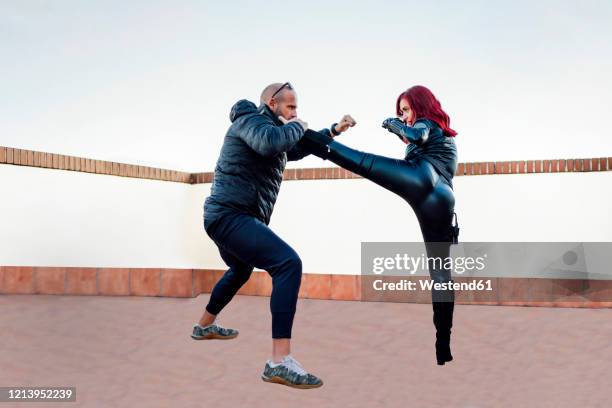
Is the representation of strong female characters in media truly as empowering as it claims to be, or does it merely reduce multifaceted women to formulaic spectacles of combat and leather? When we think about female strength, the immediate imagery often conjured is that of a leather-clad heroine, striking a pose with razor-sharp fists ready for the next explosive brawl. But should strength be equated solely with physical dominance and provocative attire? This question beckons us to peer beneath the glossy veneer of pop culture and interrogate the limits imposed on female characters under the guise of empowerment.
The Leather Catsuit: Symbol or Stereotype?
There is an unmistakable visual shorthand at work here: the leather catsuit. It has become the stereotyped uniform for the “strong” woman—a garb that suggests power but simultaneously objectifies. While these outfits ostensibly signify resilience and readiness for combat, they rarely escape the male gaze. Instead, the catsuit becomes a fetishized costume, reducing the character’s complexity to a surface-level sexualized icon. The conflation of physical strength and sexual appeal constrains the narrative potential of female characters, framing empowerment within narrow aesthetic confines rather than substantive development.

Fighting as the Sole Expression of Strength
Why must strength always be expressed through physical confrontation? A female character’s intelligence, resilience, vulnerability, and moral complexity are too often sacrificed for the sake of action-packed sequences. Combat scenes, while thrilling, become the exclusive yardstick for judging strength. This narrow portrayal sidelines the nuanced struggles women face both within and beyond the narrative—be it emotional endurance, strategic brilliance, or leadership. Strength is multifarious, yet the media’s obsession with fight choreography distills it to a singular, often aggressive, form.

The Cultural Fetishization of Female Combatants
The trend raises provocative questions about the cultural fetishization of combat-ready women. The spectacle of fighting women dressed in enticing outfits feeds into a dual fantasy: power and eroticism. This sensationalism commodifies strength, turning formidable characters into consumable entertainment rather than authentic representations. It speaks volumes about the underlying discomfort with women who wield power in traditionally masculine forms. Through these portrayals, there’s a subtle but persistent message: you can be strong, but only if you remain palatable, visually gratifying, and confined within an established trope.
Breaking the Mold: Redefining Strength Beyond the Leather
What happens if we dismantle these visual clichés? True empowerment means embracing a broader spectrum of what strength entails. It involves cultivating characters who lead through empathy, intellect, and unyielding conviction rather than just through fists and leather. Characters who wrestle with doubt and complexity, yet persist. Who command respect through wisdom and vulnerability, not spectacle. Redefining strength requires shedding the chrysalis of the catsuit stereotype and daring to tell stories rich with layered female experiences—stories that resonate because they reflect authentic humanity.
Why This Matters: The Impact of Representation
The images we consume shape societal expectations and individual self-perception. When strong female characters are pigeonholed into narrow, fight-centric narratives dressed in form-fitting animalskins, it restricts the cultural imagination of female agency. Girls and women deserve heroes who reflect the multiplicity of their realities—heroes who inspire beyond physical prowess. Challenging the status quo in media representation is not merely an exercise in creativity; it’s a vital social necessity. It fosters an environment where strength is not monolithic but a kaleidoscope of courage expressed in infinite ways.

Conclusion: Reconsidering What ‘Strong Female Character’ Truly Means
So, does a “strong female character” still have to mean slick leather, endless fights, and a façade designed to appease? Should the measure of a woman’s strength hinge on her ability to deliver blows in a slick outfit? Or could it be time to shatter this reductive template? To demand narratives where strength is as varied and intricate as the women they portray? The challenge remains: to envision female characters not as transient power fantasies, but as enduring symbols of robust, authentic empowerment—unshackled from leather and perpetual combat.





Leave a Comment