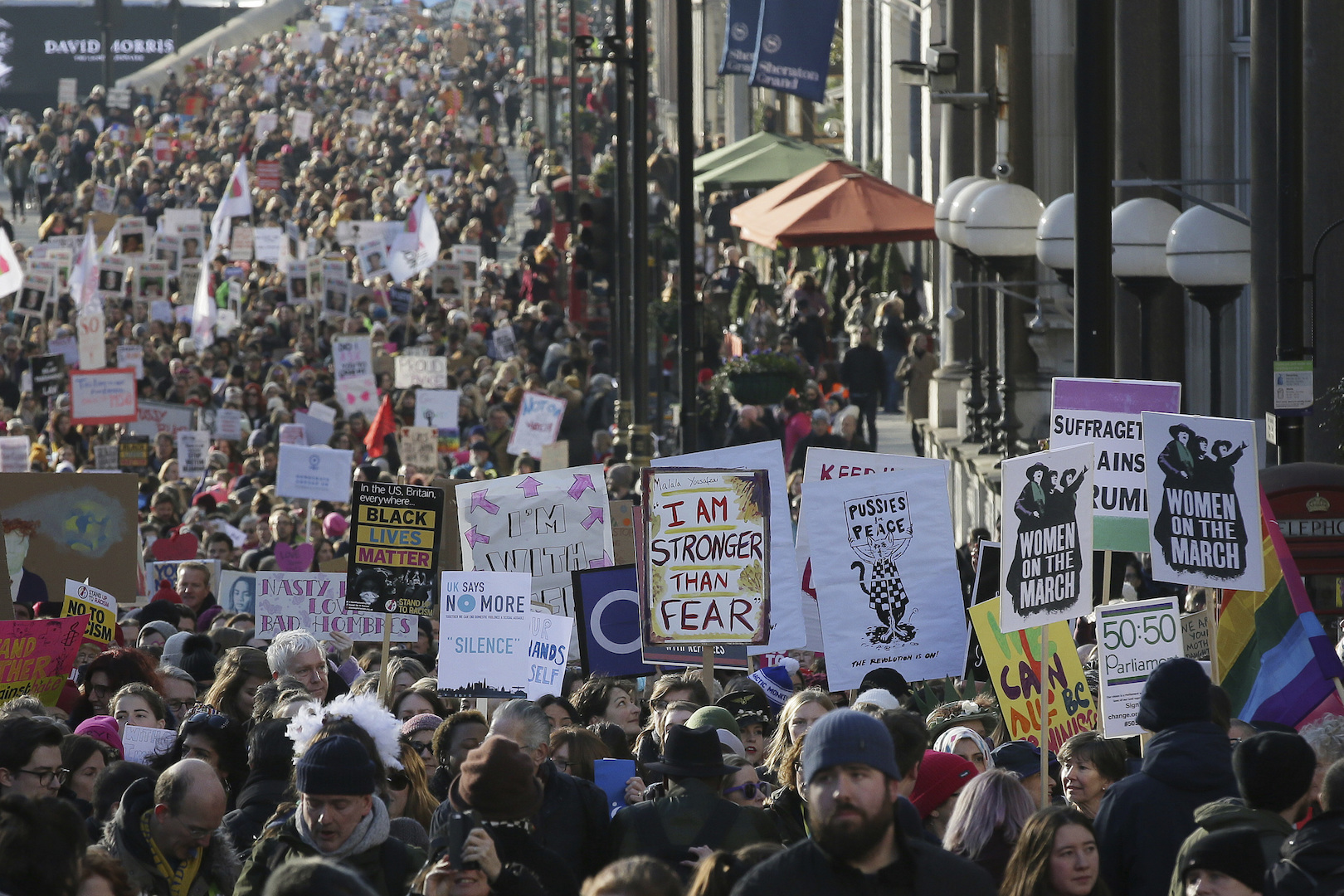
What if the most potent weapon in the arsenal of social change isn’t a megaphone, a manifesto, or even a revolution—but a pause? A collective exhale so profound it rattles the foundations of power? Strikes, at their core, are not mere walkouts; they are the thunderclap of solidarity, the silent scream of refusal. But here’s the twist: when women lead them, strikes don’t just disrupt—they dismantle. They don’t just demand; they redefine. The question isn’t whether strikes work when women lead. The question is: why have we ever doubted their alchemy?
The Alchemy of Absence: Why Withdrawal Becomes Creation
Imagine a world where the most mundane acts—brewing coffee, signing contracts, teaching children, tending the sick—are suddenly, deliberately paused. Not out of laziness, but out of power. This is the paradox of the strike: in absence, presence is magnified. Women, historically relegated to the margins of economic and social structures, wield this paradox like a scalpel. When they withdraw, they expose the fragility of systems built on their unpaid labor, their emotional labor, their quiet endurance.
Consider the unpaid care work that props up economies like invisible scaffolding. When women strike, they don’t just stop working—they reveal the scaffolding’s collapse. Factories halt. Schools empty. Hospitals strain. The message is clear: without us, the machine grinds to a halt. But here’s the twist—this isn’t destruction. It’s creation. In the void left by their absence, new possibilities emerge. Communities organize childcare swaps. Neighbors cook for one another. Solidarity becomes a living, breathing organism. The strike doesn’t just protest; it prototypes the world we want to inhabit.

The brilliance of women-led strikes lies in their refusal to be contained by traditional definitions of labor. They strike not just as workers, but as mothers, as caregivers, as the emotional backbone of societies. This expansive understanding of work—one that includes the invisible, the unpaid, the culturally dismissed—is revolutionary. It forces a reckoning: if the economy collapses without this labor, who really holds the power?
The Specter of the Unruly Woman: Why Power Fears Her Most
There’s a reason patriarchal systems have spent centuries demonizing women who dare to disrupt. The unruly woman—the one who refuses to smile, to shrink, to comply—is a threat not just to the status quo, but to the very idea of order. When women lead strikes, they embody this unruliness. They are loud where they’re told to be quiet. Visible where they’re told to disappear. United where they’re told to compete.
But here’s the playful challenge: what if the unruliness is the point? What if the messiness, the unpredictability, the refusal to play by the rules is exactly what makes women-led strikes so effective? Power thrives on predictability. It relies on the assumption that women will prioritize harmony over disruption, compliance over confrontation. When they don’t, the ground shifts. Suddenly, the language of negotiation isn’t polite requests—it’s demands. The tone isn’t supplication—it’s command.
Take the 2016 women’s strike in Poland, where thousands of women clad in black took to the streets to protest a near-total ban on abortion. The strike wasn’t just a protest; it was a performance of collective defiance. The government, accustomed to women’s voices being drowned out by policy jargon and moralizing, was blindsided. The strike didn’t just challenge the law—it challenged the very notion that women’s bodies were up for debate. In doing so, it forced a reckoning: power doesn’t just fear disruption. It fears the women who dare to wield it.

The unruly woman isn’t just a symbol—she’s a tactic. By refusing to be palatable, she exposes the rot at the heart of systems that rely on women’s silence. And when she leads a strike, she doesn’t just demand change. She redefines what change looks like.
The Radical Potential of Care: Strikes as Acts of Love
There’s a tenderness to women-led strikes that is often overlooked in the noise of disruption. These aren’t just acts of anger—they’re acts of love. They are the recognition that care, too, is a form of resistance. When women strike, they are not just withdrawing their labor; they are refusing to participate in systems that devalue it. They are saying: we will not love you to death. We will not tend to your wounds while you sharpen the knives.
This is where the strike becomes something more than a tool—it becomes a philosophy. It’s the idea that care is not a weakness, but a superpower. That solidarity isn’t just about shared grievances, but about shared humanity. When women lead strikes, they don’t just demand better wages or safer workplaces. They demand a world where care isn’t exploited, where love isn’t transactional, where the most vulnerable aren’t left to rot in the margins.
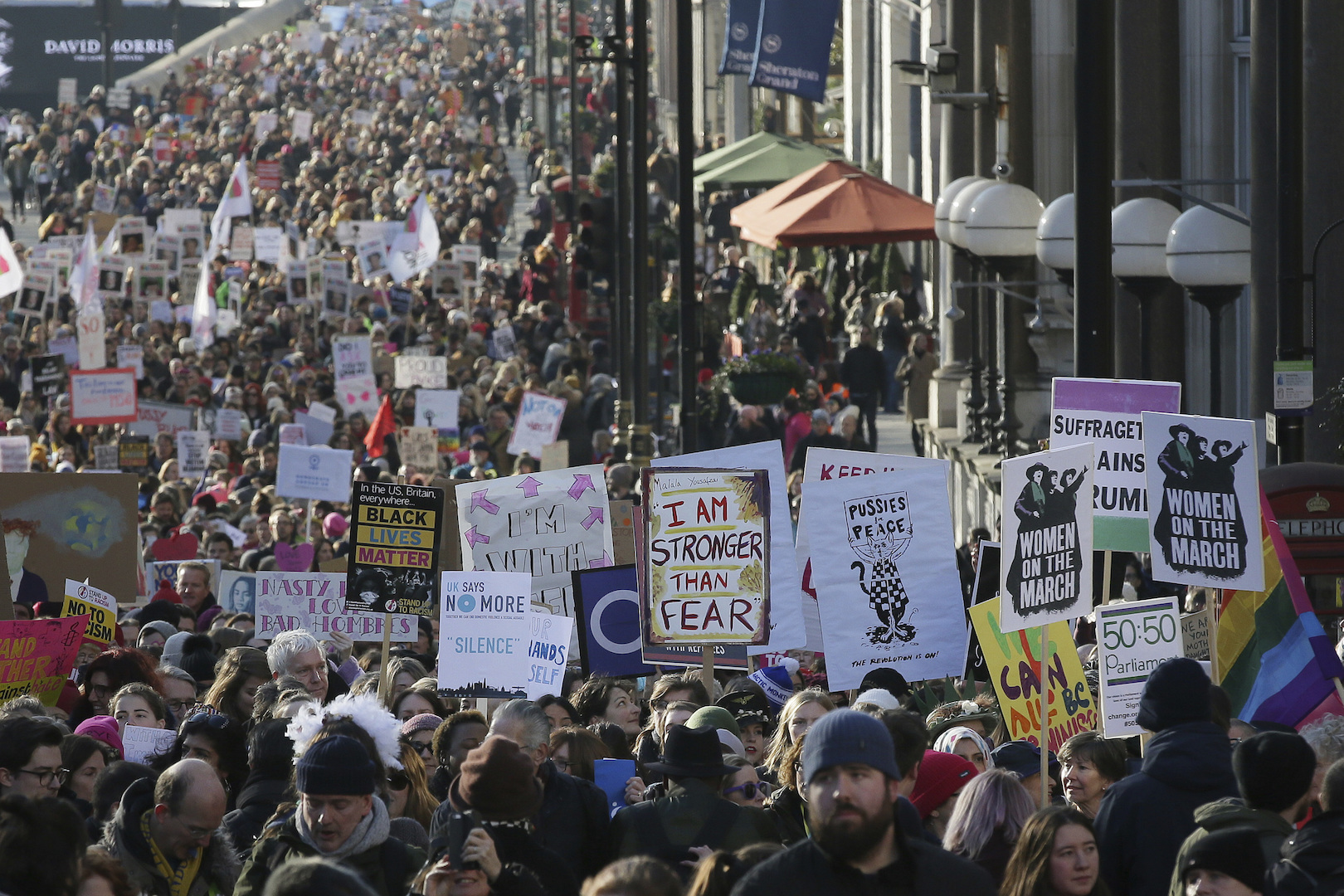
Consider the 2018 “Day Without a Woman” strike in the United States. Women didn’t just walk out of their jobs—they made visible the invisible labor that sustains society. They wore red to symbolize the urgency of the cause. They organized childcare collectives so single mothers could participate. They fed one another, marched together, and in doing so, they redefined what it meant to strike. It wasn’t just about absence. It was about presence—about the presence of a world that values care as much as it values capital.
The radical potential of care lies in its ability to expose the hypocrisy of systems that claim to value family, community, and compassion—while systematically eroding the conditions that make these things possible. When women strike, they force a confrontation: if care is the foundation of society, why is it treated as expendable? The answer, of course, is that it isn’t. The strike exposes the lie—and in doing so, it plants the seeds of something new.
The Future is Feminist: Why Strikes Are the Blueprint
We live in an era where the old certainties are crumbling. The economy is a house of cards. The climate is on fire. The political systems are rotten to the core. In this chaos, women-led strikes offer a blueprint—not just for resistance, but for reinvention. They are proof that another world isn’t just possible. It’s already being built in the cracks of the old one.
The future is feminist because it must be. It must be built on care, not exploitation. On solidarity, not competition. On presence, not absence. Women-led strikes are not just a tactic—they are a vision. They are the reminder that power isn’t just about taking up space. It’s about redefining what space is for.
So the next time someone asks, “Do strikes work when women lead them?”—smile. Because the answer isn’t in the question. The answer is in the streets. In the kitchens. In the hospitals. In the schools. In the quiet, unyielding refusal to be anything less than unstoppable.
The strike isn’t over. It’s just getting started.









Leave a Comment