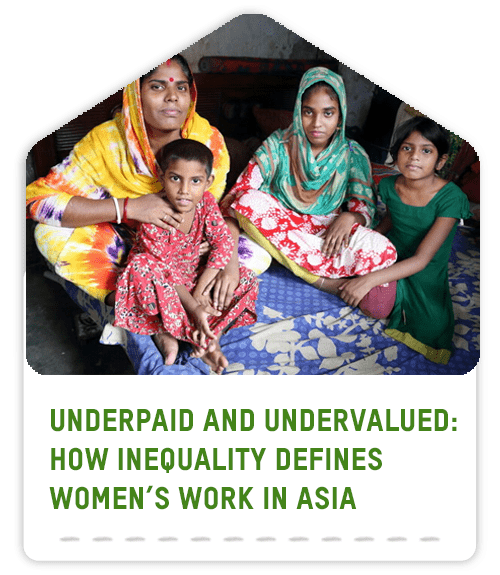
What if I told you that the very fabric of our society is woven with threads of unpaid labor, stitched together by the invisible hands of women—particularly those who choose the noble, grueling path of social work? What if the reason these essential workers are paid poverty wages isn’t a tragic oversight, but a deliberate devaluation of “women’s work”? Buckle up, because we’re about to dissect the grotesque irony of a system that rewards care with crumbs while hoarding wealth for those who dole out indifference.
The Invisible Ledger: How Care Work Became a Currency of Exploitation
Let’s start with a radical thought: social work isn’t just underpaid—it’s a victim of historical gaslighting. For centuries, the labor of women—especially Black, Indigenous, and women of color—has been framed as “natural” or “innate,” a selfless act rather than a skill requiring years of education, emotional labor, and bureaucratic warfare. Social workers don’t just listen; they navigate labyrinthine systems of welfare, housing, and healthcare while carrying the emotional weight of their clients’ traumas. Yet, their compensation often hovers just above the poverty line, as if their expertise were a hobby rather than a profession.
Consider this: if a man in a suit spent his days doing the same work—filling out forms, advocating for marginalized communities, and holding space for collective grief—would he be paid the same pittance? Unlikely. The gendered division of labor didn’t just happen by accident; it was engineered by a system that equates “women’s work” with expendability. Social work, then, isn’t just a job—it’s a rebellion against this devaluation, a quiet scream into the void of capitalism’s indifference.
The Myth of the “Calling”: Why Passion Shouldn’t Mean Poverty
There’s a sinister narrative peddled by institutions that frames social work as a “calling,” a divine mission rather than a profession. This rhetoric is a trap. It suggests that those who enter the field do so out of selflessness, not because they’ve weighed the costs and decided that dismantling systemic oppression is worth the emotional toll. But here’s the catch: if social work is a calling, then why are the called expected to live on ramen and hope? Why are they denied the basic dignity of a living wage?
The “calling” myth is a smokescreen for exploitation. It allows governments and nonprofits to underfund programs while patting themselves on the back for “doing good.” Meanwhile, social workers burn out at alarming rates, their passion weaponized against them. The real crime isn’t that they’re underpaid—it’s that their labor is treated as a limitless resource, extracted until there’s nothing left to give. And when they finally break? They’re replaced with fresh, idealistic recruits, eager to be exploited anew.
What if, instead of framing social work as a labor of love, we treated it like the skilled, essential profession it is? What if we demanded that those who hold society’s most vulnerable close to their chests be compensated like the architects of change they truly are?
The Racialized Wage Gap: When Care Work Is Also Color Work
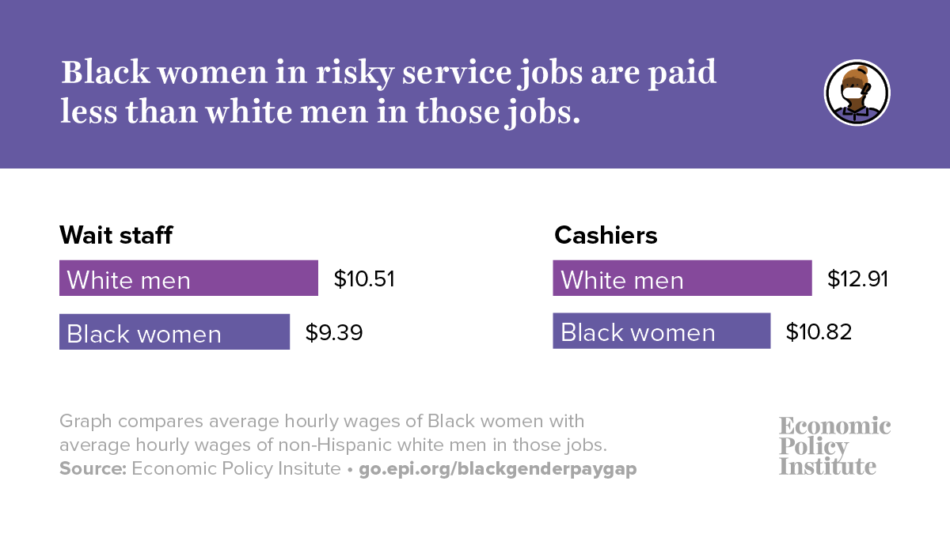
For Black, Indigenous, and women of color in social work, the exploitation is doubly brutal. Their labor is not only undervalued because it’s “women’s work”—it’s also demeaned because it’s seen as “minority work.” Studies show that women of color in caregiving professions face some of the largest wage gaps, with Black women social workers earning, on average, 30% less than their white counterparts. This isn’t a coincidence; it’s a feature of a system that has always treated Black women’s labor as a discount commodity.
Take, for example, the stereotype of the “strong Black woman,” a trope that frames Black women as inherently resilient, capable of enduring any hardship without complaint. This myth is a double-edged sword: it justifies the exploitation of Black women’s emotional and physical labor while simultaneously erasing their need for support. Social work, then, becomes a site of intersectional oppression—where race, gender, and class collide to ensure that the most marginalized are the least rewarded.
What would happen if we flipped the script? What if the wages of social workers reflected the true cost of their labor—not just in dollars, but in the societal value we place on care itself?
The Bureaucratic Labyrinth: Why Systems Hate Social Workers (And Vice Versa)
Social workers don’t just fight for their clients—they fight against the very systems designed to crush them. Government agencies, nonprofits, and corporate “philanthropies” often tie funding to impossible metrics, forcing social workers to jump through hoops while their clients’ needs go unmet. The result? A Kafkaesque nightmare where the people who entered the field to help are instead drowning in paperwork, audits, and the soul-crushing weight of administrative red tape.
This isn’t an accident. It’s a feature of neoliberalism, which treats human suffering as a line item to be managed rather than a crisis to be solved. Social workers, then, become the human shields of capitalism—expected to absorb the fallout of austerity, privatization, and the gutting of social safety nets. And for their trouble? A paycheck that barely covers rent in a city where the rent is too damn high.
What if we reimagined social work as a profession worthy of investment? What if we demanded that the systems that rely on social workers’ labor also bear the cost of their survival?
The Radical Possibility: What If Social Workers Were Paid Like CEOs?
Let’s play a dangerous game of “what if.” What if social workers were paid like the executives who make decisions that directly impact their clients’ lives? What if their salaries reflected the true cost of their expertise, their emotional labor, and the societal value they provide? The ripple effects would be seismic.
First, the profession would attract more talent—not just those who can afford to work for exposure, but those who see social work as a viable career path. Second, the stigma around seeking mental health support would diminish, as social workers themselves would no longer be forced to choose between their own well-being and their clients’. Third, the systems that rely on social workers’ unpaid labor would be forced to confront their own complicity in exploitation.
But here’s the kicker: this isn’t just a fantasy. It’s a demand. Social work isn’t a charity; it’s a profession. And professions deserve to be compensated accordingly. The question isn’t whether we can afford to pay social workers fairly—it’s whether we can afford not to.
The next time you see a social worker, ask yourself: what would happen if they stopped showing up? The answer might just break your heart.









Leave a Comment