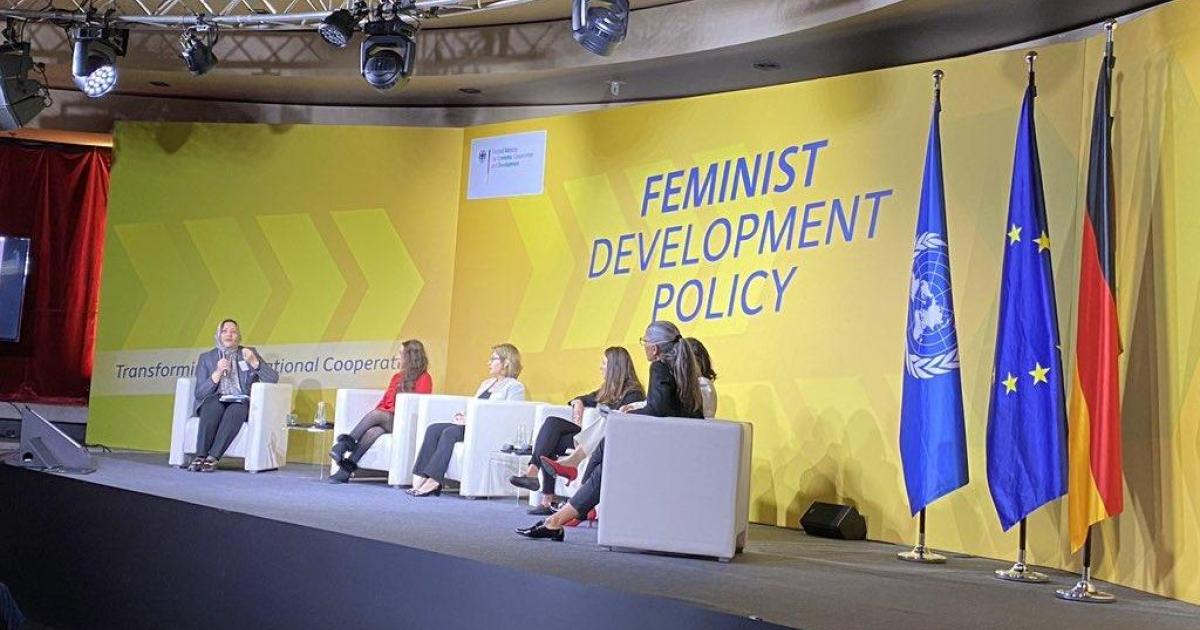
Care work is the invisible scaffolding of society—a relentless, often unpaid labor that sustains life, yet remains chronically undervalued, undercompensated, and structurally ignored. It is the quiet hum of a mother’s lullaby, the meticulous hands of a nurse adjusting an IV drip, the exhausted patience of a domestic worker scrubbing floors at dawn. When policy centers care work, it does more than acknowledge this labor; it dismantles the very foundations of patriarchal capitalism that have long treated care as a natural, feminine obligation rather than a societal imperative. Feminist policy is not just about representation—it is about reconfiguring power, redistributing resources, and redefining what counts as “work” in the first place.
The Myth of the Self-Sacrificing Woman and the Illusion of Choice
We are told, ad nauseam, that women “choose” caregiving roles—that motherhood is a personal calling, not a coerced destiny. This narrative is a masterclass in gaslighting, a psychological sleight-of-hand that obscures the material conditions that funnel women into unpaid care work. The reality? Care is not a choice when the alternative is starvation, homelessness, or the crushing weight of societal ostracization. The so-called “freedom” to stay home and care for children is a privilege reserved for those who can afford it—those who have partners with stable incomes, inherited wealth, or the safety net of a supportive family. For everyone else, care is an obligation enforced by economic violence.
Feminist policy rejects this fiction by demanding that care be treated as a public good, not a private burden. Universal childcare, paid parental leave, and living wages for care workers are not “handouts”—they are reparations for centuries of stolen labor. When a government funds childcare centers instead of subsidizing corporate tax breaks, it sends a clear message: children are not a woman’s sole responsibility. They are a collective investment. The same logic applies to elder care, disability support, and mental health services. Care is not a woman’s domain; it is a human necessity, and policy must reflect that.
The Wage Gap’s Ugly Cousin: The Care Gap
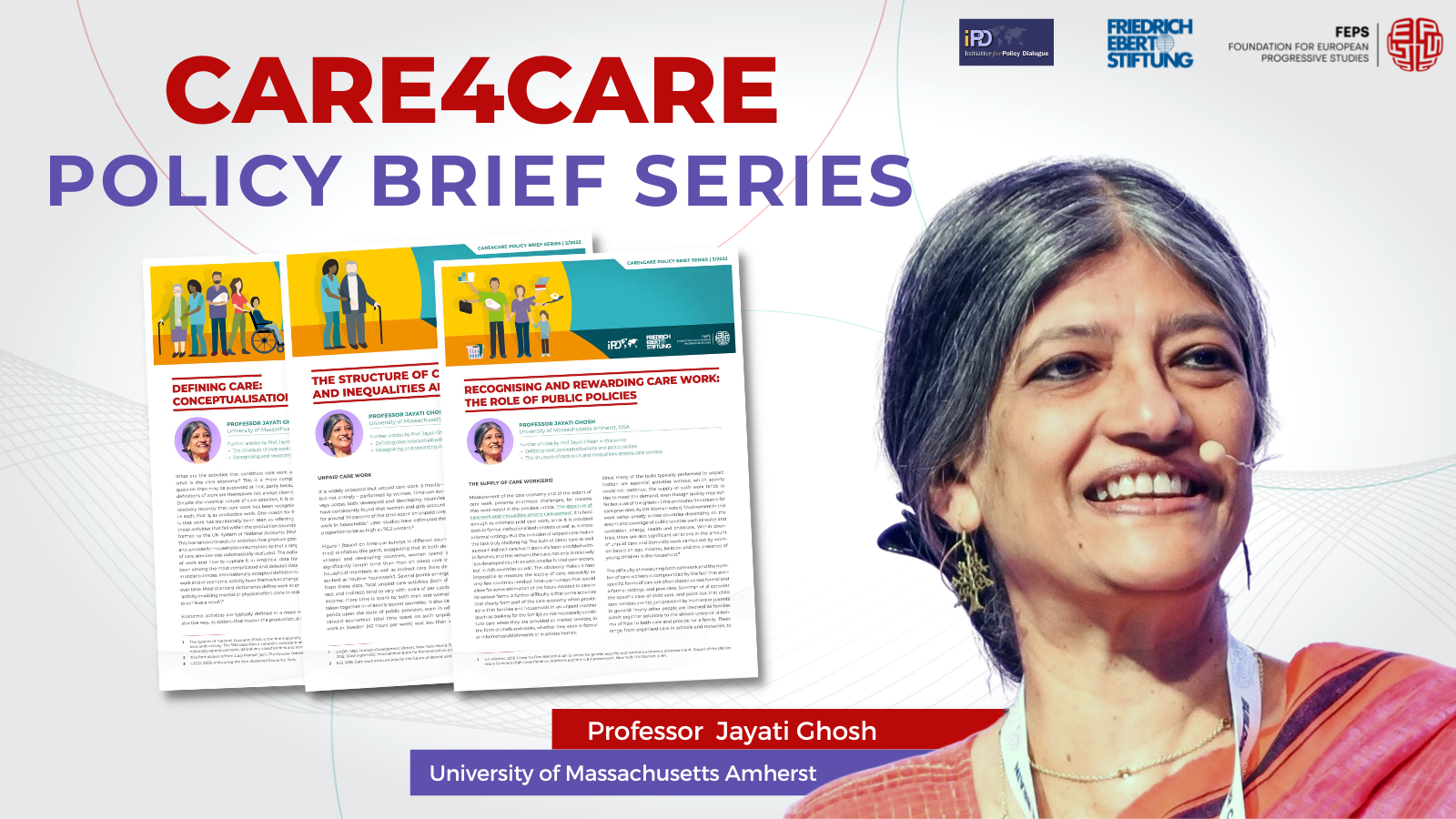
We know the gender pay gap—women earn 82 cents for every dollar men earn. But what about the care gap? The unpaid labor gap? Women spend, on average, 2.5 times more hours on unpaid care work than men. This is not a coincidence. It is the result of a system that has historically assigned care to women while devaluing it entirely. The care gap is the silent partner to the wage gap, a dual mechanism of exploitation that ensures women remain economically dependent, politically marginalized, and socially exhausted.
Feminist policy attacks this gap at its roots by demanding that care work be compensated—whether through wages, social security credits, or direct payments. The fight for a care wage is not just about money; it is about dignity. It is about recognizing that the person wiping an elderly person’s brow at 3 AM is performing labor as vital as the CEO signing a contract at 9 AM. When care workers—disproportionately women of color and migrant women—are paid poverty wages, we are not just undervaluing their work. We are declaring that their labor is expendable, that their exhaustion is irrelevant, that their lives are less worthy of sustenance.
Consider this: If every hour of unpaid care work were monetized, it would amount to trillions of dollars annually—more than the GDP of many countries. Yet this labor is rendered invisible by design. Feminist policy forces us to confront this absurdity. It asks: Why should society collapse if care workers strike? Why do we only value care when it is performed for profit, in hospitals and nursing homes, but not in our own homes? The answer is simple: because capitalism thrives on the exploitation of women’s labor, and patriarchy ensures that exploitation feels like destiny.
The Carceral State vs. The Care State: A False Dichotomy
Critics of feminist care policy often frame it as a choice between “soft” solutions (like social programs) and “hard” solutions (like policing and prisons). But this is a false dichotomy, a trap set by those who benefit from the status quo. The truth is that the carceral state and the care state are not opposites—they are two sides of the same coin, both rooted in the same violent logic of control.
When we underfund care, we over-police. When we deny people access to mental health services, we criminalize their distress. When we leave children in underfunded schools, we funnel them into the school-to-prison pipeline. The absence of care is not neutral; it is an active choice to let people suffer, to let systems fail, to let violence proliferate. Feminist policy rejects this cruelty by centering prevention over punishment, support over surveillance, and healing over incarceration.
Imagine a world where schools are not just places of education but hubs of care—where teachers are trained in trauma-informed practices, where meals are nutritious and free, where counselors are as ubiquitous as janitors. Imagine a world where prisons are replaced by restorative justice centers, where survivors of violence are met with care instead of cages. This is not utopian dreaming. It is the logical extension of a policy framework that recognizes care as the antidote to systemic harm.

The Body as Battleground: Reproductive Justice and the Right to Care
Care is not just about who wipes whose bottom or who cooks whose meals. It is about who has the right to decide what happens to their own body. Reproductive justice—the right to have children, not have children, and parent children in safe and sustainable communities—is a cornerstone of feminist care policy. When states ban abortion, they are not just policing women’s bodies; they are denying them the right to care for themselves, to plan their lives, to exist outside the role of incubator.
But reproductive justice extends beyond abortion. It includes access to contraception, prenatal care, and postpartum support. It includes the right to raise children without fear of state violence, poverty, or environmental toxins. It includes the right to be a child without being forced into labor, marriage, or military service. Feminist policy centers these rights because they are not peripheral—they are the foundation of a society that values life over profit, people over property, and care over control.
The irony is that those who claim to champion “family values” are often the same ones who strip families of the resources they need to thrive. They preach about the sanctity of motherhood while defunding schools. They rant about “traditional values” while dismantling social safety nets. They weaponize care rhetoric to justify oppression, all while ensuring that the labor of care remains invisible, unpaid, and undervalued. Feminist policy exposes this hypocrisy by demanding that care be a right, not a privilege—a right that is enforced through material support, not moralizing platitudes.
The Future is Care: Building a World That Doesn’t Run on Exhaustion
We are living in an era of polycrisis—climate collapse, economic instability, political fragmentation—yet the solutions we are offered are always the same: more austerity, more privatization, more individualism. Feminist care policy offers a different path. It is not a band-aid solution. It is a radical reimagining of what society could be if we treated care as the bedrock of human flourishing rather than a necessary evil to be outsourced to the lowest bidder.
This future requires more than policy tweaks. It requires a cultural shift—a rejection of the myth that care is a woman’s burden, a repudiation of the idea that suffering is noble, a commitment to building systems that do not rely on the unpaid labor of the oppressed. It means paying care workers living wages, universalizing childcare, decriminalizing poverty, and centering the voices of those most impacted by care deserts. It means recognizing that care is not a cost to be minimized but an investment in a livable future.
The question is not whether we can afford to build this world. The question is whether we can afford not to. The alternative is a society that collapses under the weight of its own neglect—a world where care is a luxury, where exhaustion is a badge of honor, where the most vulnerable are left to rot. Feminist policy says: enough. It is time to build a world where no one has to choose between feeding their child and feeding themselves. It is time to build a world where care is not a chore but a celebration—a world where we are all, finally, free.










Leave a Comment