What if I told you that the feminism of 2026 isn’t just a continuation of the movements we’ve known, but a radical reimagining—one that dances on the edge of paradox, where liberation and surveillance blur, where solidarity is algorithmically curated, and where the very definition of “woman” is a battleground of bytes and biology? The feminism of 2016 was a storm of hashtags and street protests, a raw, unfiltered scream into the void. But by 2026, that scream has been digitized, monetized, and—dare I say—gamified. So, how did we get here? And more importantly, where the hell are we going?
The Great Algorithmization of Sisterhood
In 2016, feminism was a human-led revolution. By 2026, it’s a machine-mediated one. Social platforms no longer just amplify voices; they curate them. Your feed isn’t just a reflection of your interests—it’s a predictive model of your feminist identity. The algorithm doesn’t just show you content; it *designs* your activism. Want to be an eco-feminist? The algorithm will feed you Greta Thunberg memes and zero-waste tutorials until your carbon footprint is smaller than your TikTok following. Craving intersectional discourse? Congratulations, you’ve just been placed in a digital affinity group where your opinions are pre-approved before you even type them.
But here’s the catch: algorithms don’t just reflect our beliefs—they *shape* them. The feminism of 2026 is a feedback loop, where your outrage is monetized, your solidarity is tracked, and your dissent is either amplified or buried based on engagement metrics. The question isn’t just “What do we fight for?” but “What does the algorithm let us fight for?” The most radical act in 2026 might not be marching in the streets—it’s opting out of the system entirely, which, of course, the algorithm will flag as “suspicious behavior.”
The irony? The more connected we become, the more isolated our movements feel. The feminism of 2026 is a paradox—a global network of hyper-localized bubbles, where sisterhood is both everywhere and nowhere at once.
From Hashtags to Holograms: The Spectacle of Solidarity
Remember when a viral hashtag could topple a predator? In 2026, solidarity isn’t just a trend—it’s a *performance*. Virtual reality marches allow you to stand shoulder-to-shoulder with feminists across the globe, your avatars synchronized in a digital sea of pink hats and raised fists. But here’s the twist: these holographic protests are sponsored by corporations. Your “IWD 2026” VR experience? It’s brought to you by a fast-fashion brand that also happens to be the world’s largest polluter. The line between allyship and co-optation has dissolved into a pixelated haze.
And then there’s the rise of “empathy tech”—wearable devices that simulate the physical experiences of marginalized bodies. Want to understand period poverty? Slap on a smart bracelet that gives you cramps. Curious about racial microaggressions? A neural implant will flood your brain with the subconscious biases of a white colleague. The goal? To “feel” the struggle without actually dismantling the systems that create it. The feminism of 2026 is less about revolution and more about *simulation*—a high-tech empathy machine that leaves the status quo untouched.
But what happens when the spectacle replaces the struggle? When the most powerful feminist act isn’t organizing a strike, but livestreaming your tears during a VR vigil? The line between activism and entertainment has blurred into oblivion. The question isn’t whether we’re making progress—it’s whether we’re even playing the same game anymore.
The Gender Identity Paradox: When Biology Becomes a Choice
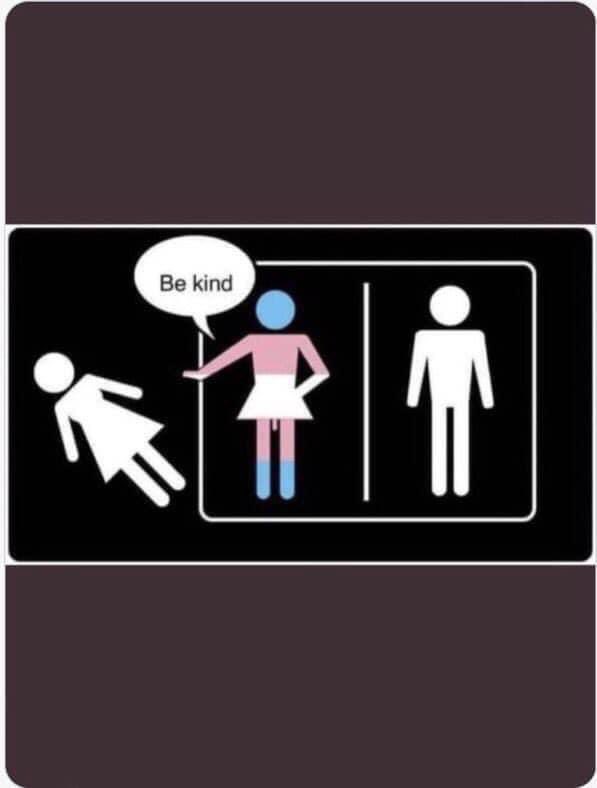
In 2016, the feminist debate around gender was a fiery but straightforward clash between radical inclusion and biological essentialism. By 2026, that debate has evolved into something far stranger: a world where gender is both infinitely fluid and rigidly policed by technology. Gene-editing therapies allow parents to “design” their children’s gender expression before birth, while AI-driven identity verification systems demand proof of “authentic” womanhood at every turn—whether it’s for healthcare, employment, or simply accessing a women’s restroom.
The result? A society where a person’s gender is simultaneously hyper-personalized and hyper-regulated. You can customize your identity like a video game avatar, but the system will flag you if your chosen pronouns don’t match your biometric data. The feminism of 2026 isn’t just fighting for rights—it’s fighting for the right to *define* those rights in the first place. And in a world where even your DNA can be monetized, the question isn’t just “What does it mean to be a woman?” but “Who gets to decide?”
The paradox deepens when you consider the rise of “gender-neutral” spaces that are anything but. A “safe” bathroom for all genders? Sure—but only if you’re willing to submit to a retinal scan to prove you’re not a “gender-critical” infiltrator. A feminist book club? Only if the AI moderator deems your reading list “appropriate.” The feminism of 2026 is a minefield of well-intentioned but Orwellian systems, where liberation is just another form of surveillance in disguise.
The New Frontier: Feminism as a Subscription Service
Capitalism has a way of absorbing everything—even rebellion. By 2026, feminism isn’t just a movement; it’s a *product*. Subscription boxes deliver monthly “activist kits” curated by influencers, complete with ethical tampons, “decolonized” skincare, and a QR code linking to a Patreon where you can “support the cause” for the price of a latte. Feminist podcasts are monetized through microtransactions, where listeners pay per episode to hear the “premium” takes of celebrity feminists. Even street protests have been gamified—attend three marches, unlock a discount at a feminist-owned café. The revolution will not be televised; it will be *monetized*.
The danger isn’t just commodification—it’s the illusion of progress. When feminism is a brand, the system can absorb dissent by slapping a pink ribbon on it and selling it back to you. The feminism of 2026 isn’t just co-opted; it’s *collaborative*. Corporations don’t just tolerate feminism—they *curate* it, shaping it into a version that’s palatable, profitable, and—most importantly—non-threatening to the status quo. The question isn’t whether we’re making money from feminism; it’s whether feminism is still making *us* free.
And then there’s the ultimate irony: the more feminism becomes a lifestyle, the less it resembles a movement. The feminism of 2026 is a paradox—a hydra-headed beast that’s both everywhere and nowhere, a force for change that’s been neatly packaged and sold back to us. The challenge? To remember that liberation isn’t a trend. It’s not a subscription. It’s not a performance. It’s a fight—and in 2026, the battlefield is more treacherous than ever.






Leave a Comment