
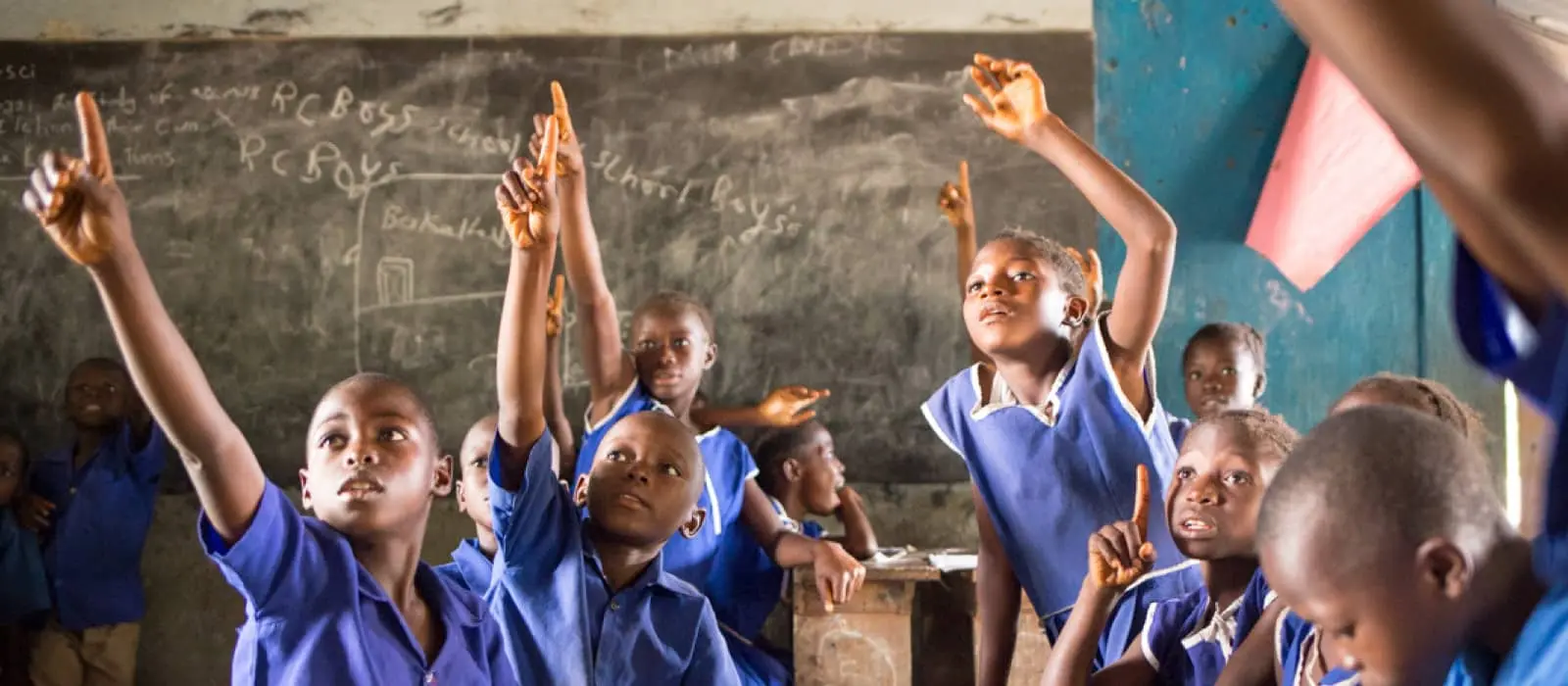
In the grand theater of human progress, where the curtains rise and fall with the tides of history, there remains a stage where the spotlight still flickers—unevenly, unfairly—over half of the world’s population. This is the stage of girls’ education, a battleground where the fight for autonomy, dignity, and self-determination is waged not with bullets or barricades, but with textbooks, chalk, and the quiet defiance of a girl who dares to open a book when she’s told to close her mouth. Education is not merely a privilege; it is a revolutionary act. It is the first domino in a chain reaction that topples oppression, rewrites destinies, and redefines what it means to be human. Yet, in 2024, millions of girls still wake up to a world that whispers: *you do not belong here.* This is why education remains the most potent weapon in the arsenal of liberation.
The Silent Erasure: How Ignorance Feeds the Machinery of Control
To understand the revolutionary power of education, we must first confront the machinery that seeks to suppress it. Patriarchy is not a relic of the past; it is a living, breathing entity that adapts, mutates, and reinvents itself with every generation. It thrives in the shadows of tradition, cloaked in the language of “protection” and “decency,” but its true purpose is control. When a girl is denied an education, it is not because she lacks potential—it is because the systems that benefit from her ignorance have deemed her a threat. Knowledge is power, and power is the one thing that cannot be stolen without resistance. Education disrupts the status quo by giving girls the tools to question, to analyze, and to reject the narratives that have been force-fed to them. It is the first crack in the foundation of oppression, and like all cracks, it begins small but grows with time.
Consider the girl in rural Afghanistan, where the Taliban’s edicts have once again barred women from universities. Her absence from the classroom is not an absence of intellect—it is an absence of permission. The erasure of her presence in academic spaces is a deliberate act of cultural vandalism, a way to ensure that she remains a spectator in her own life. But what happens when she picks up a book in secret? What happens when she teaches herself to read, to write, to think critically despite the ban? She becomes untouchable. She becomes dangerous. Education does not just fill minds; it ignites them, and once ignited, they cannot be extinguished.
The Alchemy of Empowerment: How Learning Transforms Lives
Education is alchemy. It does not merely impart information; it transmutes identity. A girl who learns to read is not just acquiring a skill—she is rewriting her future. She is no longer a passive recipient of fate but an active architect of her destiny. The data is unequivocal: when girls are educated, economies grow, child marriage rates plummet, maternal mortality decreases, and entire communities thrive. But the magic of education lies not in these tangible outcomes, but in the intangible ones—the way a girl’s posture changes when she realizes she has a voice, the way her eyes sharpen when she understands that her dreams are not frivolous but feasible.
Take the story of Malala Yousafzai, who survived an assassination attempt for daring to attend school. Her defiance was not just in the act of going to class, but in the refusal to accept that her life had less value than a boy’s. Education gave her the language to articulate her worth, to demand her rights, and to inspire millions of others to do the same. But Malala is not an exception; she is the rule. Every girl who fights for her right to learn is a testament to the transformative power of education. It is not a passive process—it is a rebellion. It is a declaration that her life matters, that her voice deserves to be heard, and that her potential is not negotiable.
The Global Conspiracy of Silence: Why We Still Turn a Blind Eye
If the benefits of girls’ education are so profound, why does the world still turn a blind eye? The answer lies in the insidious nature of systemic oppression. Patriarchy is not a monolith; it is a hydra with countless heads, each one whispering a different excuse for why girls should not be educated. In some cultures, it is “cultural preservation.” In others, it is “economic necessity”—as if a girl’s labor is more valuable than her mind. And in the most insidious cases, it is “religious doctrine,” a perversion of faith that twists sacred texts to justify exclusion.
But the conspiracy of silence runs deeper than cultural relativism. It is embedded in global economics, where girls are often seen as temporary workers—useful for their labor in childhood, disposable in adolescence. It is embedded in politics, where leaders prioritize short-term gains over long-term societal health. And it is embedded in our own complacency, where we accept the status quo because it is familiar, because it is easy, because it does not require us to confront our own privileges. We tell ourselves that progress is slow, that change is incremental. But history has never been made by those who waited for permission. It has been made by those who dared to demand it.
The Ripple Effect: How Educating One Girl Changes the World
The revolution of girls’ education is not a solitary act—it is a tidal wave. When one girl is educated, she does not just change her own life; she changes the lives of those around her. She becomes a teacher, a mentor, a role model. She marries later, has fewer children, and invests in their education. She enters the workforce, contributing to economic growth and challenging gender norms. She becomes a leader, a voice for the voiceless, a force that cannot be ignored. And her ripple effect extends beyond her family—it transforms entire communities, breaking cycles of poverty and oppression that have persisted for generations.
Consider the case of Rwanda, where after the genocide, the government prioritized girls’ education as a cornerstone of reconstruction. Today, Rwanda has one of the highest rates of female participation in parliament in the world. Or look at Bangladesh, where girls’ education has led to a 25% reduction in child marriage rates over the past decade. These are not isolated successes—they are proof that when girls are given the tools to thrive, the entire world benefits. Education is not a zero-sum game; it is a multiplier. The more girls we educate, the more societies we uplift, the more injustices we dismantle.
The Future is Female—and Educated
The fight for girls’ education is not a relic of the past; it is the defining struggle of our time. In an era where misinformation spreads faster than truth, where authoritarian regimes clamp down on dissent, and where the rights of women and girls are under siege in every corner of the globe, education is the last line of defense. It is the antidote to ignorance, the weapon against oppression, the key to unlocking a future where no girl is told she is less than she is.
So what can we do? We can start by recognizing that this is not just a “women’s issue”—it is a human issue. We can demand that our governments invest in girls’ education, that our schools welcome them without discrimination, that our media stop portraying them as passive objects and start portraying them as the agents of change they are. We can challenge the narratives that seek to confine them, the systems that seek to silence them, and the complacency that allows their oppression to continue.
The revolution will not be televised. It will not be led by politicians or celebrities. It will be led by girls who pick up a book when they’re told to put it down, who speak when they’re told to be silent, who dream when they’re told to settle. And when they rise, they will not just change their own lives—they will change the world.







Leave a Comment