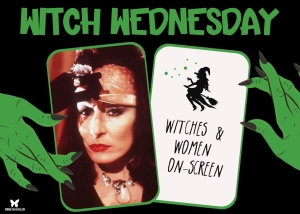
Is the witch merely a relic of superstition, or could she be the most subversive feminist emblem history has ever conjured? Beneath the veil of her broomstick and pointed hat lies a potent symbol of resistance, autonomy, and radical female power—one that challenges deeply entrenched patriarchal narratives. What if reclaiming the witch is not just an act of reimagining folklore, but a battle cry for feminist liberation that still resonates today?
The Witch: From Demonized Other to Defiant Icon
For centuries, the witch has been brandished as a scapegoat for societal anxieties, a personification of female transgression in the harshest terms. The witch hunts weren’t simply hysterical episodes—they were meticulously orchestrated purges aimed at suppressing women who dared to step beyond their *prescribed* roles. The witch embodied a frightening kind of independence, wielding knowledge and power derived from ancient, often matriarchal traditions. This demonization masked a far more unsettling truth: these women were often healers, midwives, and keepers of forbidden wisdom, threatening the patriarchal order by existing beyond its control.

Thus, the witch’s vilification can be read not as a reflection of evil, but as evidence of a woman’s refusal to submit. She was an omen, a reminder of female agency that unsettled the very fabric of oppressively structured societies.
Reclamation and the Rise of the Feminist Witch
Fast forward to the present, and the witch is no longer the pariah whispered about in fear—she’s a beacon of empowerment. Modern feminist movements have embraced this archetype, evolving the witch from hunted outcast to a symbol of unapologetic female strength. This metamorphosis is intensely radical; it interrogates what society deems “dangerous” womanhood and reclaims those attributes as fiercely liberating.

Witchcraft, once criminalized, is revived as a spiritual and political practice. The astral symbols, the ritualistic reclaiming of feminine energy—these are new tools in the feminist arsenal. The reclaimed witch resists the sanitized roles imposed by patriarchy. She is wild, mysterious, and uncontainable. And in her reclaiming lies the profound act of confronting and dismantling age-old biases.
Symbols of Power: Magic, Mystery, and Female Sovereignty
What draws feminists so magnetically to the witch’s iconography? It’s more than aesthetic allure; the symbols carry tectonic cultural weight. Celestial motifs, sacred herbs, and ritual chants evoke a connection to the cosmos and a revindication of female intuition and wisdom—qualities historically dismissed as irrational or hysterical. The witch’s magic isn’t about fantasy; it’s a metaphor for resilience, self-possession, and the reclaiming of knowledge that patriarchal society sought to erase.

Here, magic becomes a lexicon of rebellion, an unspoken language articulating the power to heal, to protect, and to disrupt. To embrace witchcraft is to embrace an alternative epistemology—it challenges the logic of oppression and centers feminine ways of knowing.
The Challenge: Can Society Ever Accept the Witch Unshackled?
Yet, amid this renaissance, the witch remains a figure of contestation. The challenge isn’t simply about aesthetic reclamation; it’s about unsettling the systems that have long demonized female autonomy. Can society truly accept the witch once freed from patriarchal distortions? Or will she forever be feared as the uncontrollable force she represents?
The witch’s playful question echoes through time: what happens when women claim power without apology or mediation? The feminist witch dares us to envision a world where rejection isn’t a punishment but a protest; where mystery and anger coexist with compassion and strength.
The Witch as a Catalyst for Feminist Solidarity
Beyond the individual, the witch archetype fosters a collective consciousness that transcends borders and generations. She is a unifier for women who reject passivity and invisibility, a symbol that links ancient struggles with modern ones. In circles and covens, in art and activism, the witch embodies sisterhood and shared resilience.
The invocation of the witch is an invitation to embrace complexity—to honor the contradictions inherent in power, femininity, and resistance. Through this communal embrace, the witch becomes less a myth and more a tangible force, a rallying cry for feminist solidarity.
Conclusion: More Than Myth, the Witch as Ongoing Feminist Revolution
To regard the witch as simply a folkloric figure is to overlook her vast potential as a feminist icon. She is an ever-evolving symbol of defiance, knowledge, and radical possibility. With every invocation of her name, the witch disrupts narratives that seek to diminish female power and reclaims spaces historically denied to women.
So, will the witch remain a figure of fear, or will she emerge fully as the feminist icon she was always meant to be—a relentless, untamed force rewriting history and inspiring future generations? The answer lies with those willing to embrace the enigmatic and the unorthodox, celebrating the witch not as a shadow from the past, but as an incandescent flame lighting the path forward.









Leave a Comment