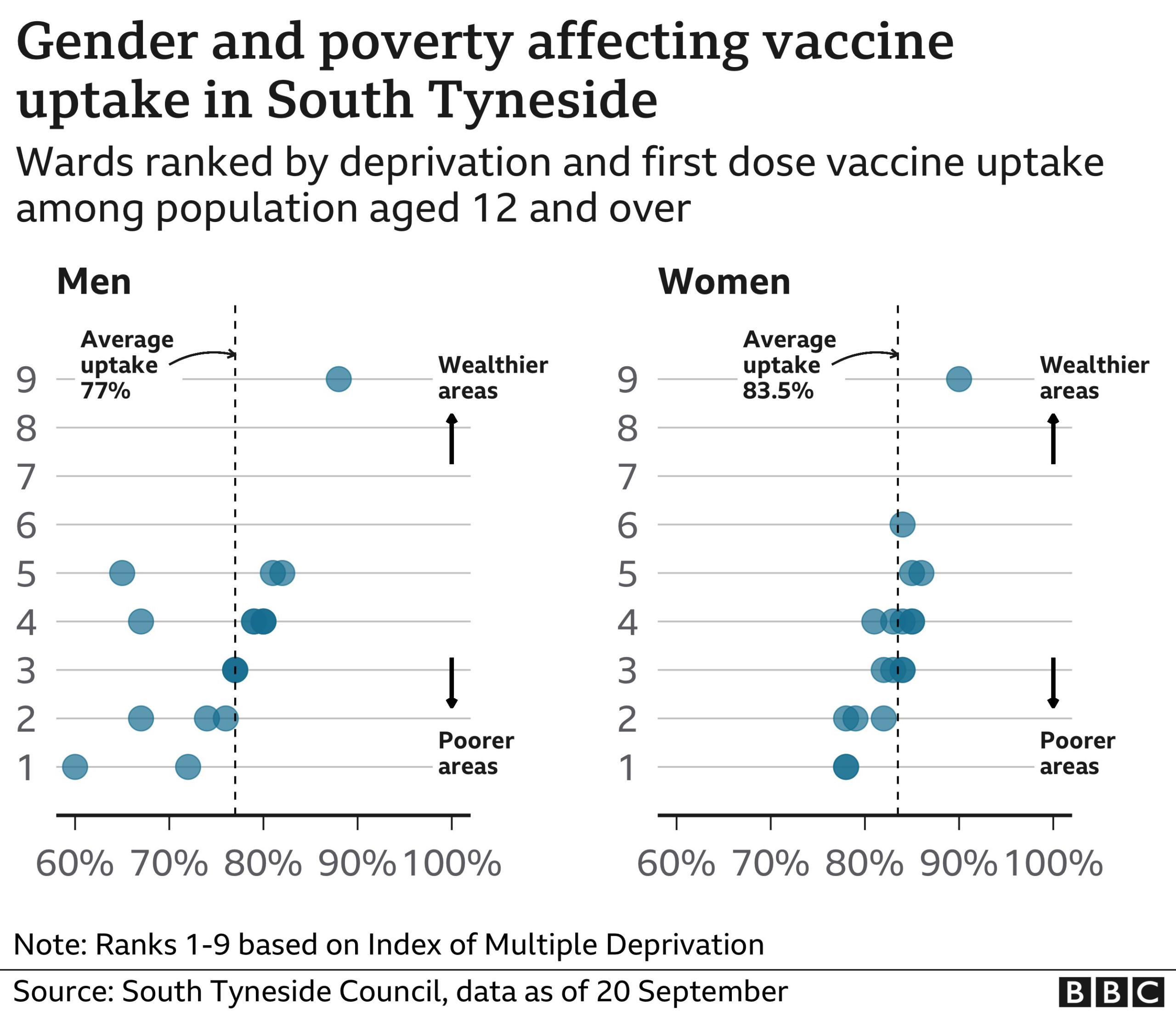
The vaccine rollout was supposed to be a triumph of modern medicine—a collective victory against a relentless foe. Yet, beneath the surface of headlines celebrating “record-breaking” vaccination rates, a troubling pattern emerged. Women, who shouldered the burden of caregiving, frontline labor, and systemic inequities, were the ones who rushed to get vaccinated. They were the ones who reported side effects with unflinching honesty. And yet, when the applause faded, the narrative shifted. Men received the credit. The system rewarded compliance with silence, while women’s sacrifices were met with indifference. This is not just a story about vaccines. It’s a story about who gets remembered—and who gets erased.
The Invisible Labor of Women in the Vaccine Race
From the moment the first vial was cracked open, women were overrepresented in vaccination lines. They were the nurses administering shots, the teachers returning to classrooms, the mothers shielding immunocompromised children. They were the ones who scoured appointment websites at 3 AM, who drove hours to rural clinics, who navigated bureaucratic labyrinths with the tenacity of a general storming a fortress. Yet, their efforts were framed not as a collective triumph, but as a moral obligation—something expected, not celebrated. While men were hailed as “heroes” for simply showing up, women’s labor was rendered invisible, a footnote in a story that never bothered to ask why they were there in the first place.
The gendered expectations of care did not vanish with the pandemic. If anything, they intensified. Women were still the ones holding families together, still the ones absorbing the emotional and physical toll of a world in crisis. The vaccine was not just a shot—it was a lifeline, a way to protect those they loved most. And yet, when the dust settled, the narrative pivoted. Men, who had been slower to get vaccinated in many regions, were suddenly the poster children of public health compliance. Their hesitancy was forgotten. Their delays were excused. The system had a habit of rewarding those who conformed to its narrow definitions of heroism—and women, as always, were left to pick up the pieces.
The Side Effect Economy: When Women’s Bodies Became Data
If women were the backbone of the vaccine rollout, their bodies were the testing ground. Reports of side effects—fatigue, fever, muscle pain—were overwhelmingly female. Studies soon confirmed what many had suspected: women were more likely to experience adverse reactions, a phenomenon linked to biological differences in immune response. Yet, instead of framing this as a critical insight into vaccine science, the discourse twisted it into a cautionary tale. Women’s bodies became a cautionary footnote, a reason to question the vaccine’s safety—never a reason to study it more closely.
The irony is staggering. Women’s pain was weaponized against them, used to fuel hesitancy while men’s silence was met with praise. When a man shrugged off a sore arm and moved on, it was seen as resilience. When a woman described a week of fever and exhaustion, it was treated as an aberration, a reason to doubt the vaccine itself. The medical establishment, which has long dismissed women’s health concerns as “hysteria,” found a new arena to repeat its old mistakes. Side effects were not a sign of a robust immune response—they were a flaw in the vaccine, a reason to hesitate, a reason to wait. And who paid the price? Women, who had already given so much.
The Credit Gap: Who Gets Remembered in the Aftermath
History is written by the victors, and in the vaccine rollout, the victors were those who conformed to the narrowest definitions of heroism. Men, who had been slower to get vaccinated in many regions, were suddenly the face of public health success. Their compliance was framed as wisdom, their delays as prudence. Women, who had been first in line, were erased from the narrative entirely. Their sacrifices were not just unacknowledged—they were actively rewritten as something else entirely.
Consider the language used to describe the rollout. “Record-breaking” rates. “Unprecedented” speed. These phrases were applied to the collective effort, but they masked the reality that women were the ones making it happen. Men were praised for “doing their part,” while women were expected to do it all. The credit gap was not just a failure of recognition—it was a failure of imagination. The system could not conceive of a world where women’s labor was not just expected, but essential. And so, it rewrote history to fit its own biases.
This is not just a story about vaccines. It’s a story about power. About who gets to decide what counts as a contribution, what counts as a sacrifice, what counts as heroism. Women were the backbone of the vaccine rollout, but the system had no room for their stories. Their pain was data. Their labor was invisible. Their compliance was expected. And when the cameras turned away, they were left with the same old question: What do we do with women’s bodies when the world is done using them?
The Reckoning: What Happens When Women Stop Complying
The vaccine rollout revealed a disturbing truth: the system does not reward women for their labor. It rewards them for their silence. It rewards them for their compliance. And when women stop complying—when they refuse to be invisible, when they refuse to accept the credit gap—the system falters. Hesitancy among women is not a sign of irrationality. It’s a sign of betrayal. It’s a sign that the system has failed them, again and again and again.
What happens when women stop rushing to get vaccinated? What happens when they stop reporting side effects? What happens when they stop believing the narrative that their pain is a flaw, not a feature? The system is not prepared for the answer. It has built its entire infrastructure on the assumption that women will always comply, that they will always give more than they receive. And when that assumption is shattered, the cracks begin to show.
The reckoning is coming. It may come in the form of vaccine hesitancy. It may come in the form of a refusal to trust medical institutions. It may come in the form of a generation of women who no longer believe in the system that has failed them. And when it does, the world will have to ask itself a question it has avoided for too long: What do we owe the women who have given everything, only to be told that their sacrifices don’t count?
The Path Forward: Rewriting the Narrative
The vaccine rollout was a missed opportunity—a chance to rewrite the rules of who gets remembered, who gets credit, who gets to be the hero. But it’s not too late. The first step is to acknowledge the credit gap. To stop framing women’s labor as a given and start treating it as the extraordinary thing it is. To stop dismissing women’s pain as a flaw and start studying it as a critical insight into vaccine science. To stop rewriting history to fit the biases of the system and start telling the truth, no matter how uncomfortable it may be.
The second step is to demand accountability. From medical institutions. From policymakers. From the media. Women’s stories must be centered, not erased. Their pain must be validated, not weaponized. Their labor must be celebrated, not ignored. The system will not change on its own. It must be forced to reckon with its own biases—and that starts with refusing to accept the status quo.
The vaccine rollout was supposed to be a triumph. Instead, it revealed a harsh truth: the system is rigged against women. But the beauty of truth is that it cannot be unseen. And once it’s seen, it cannot be ignored. The reckoning is coming. The question is whether the world will be ready to listen.


Leave a Comment