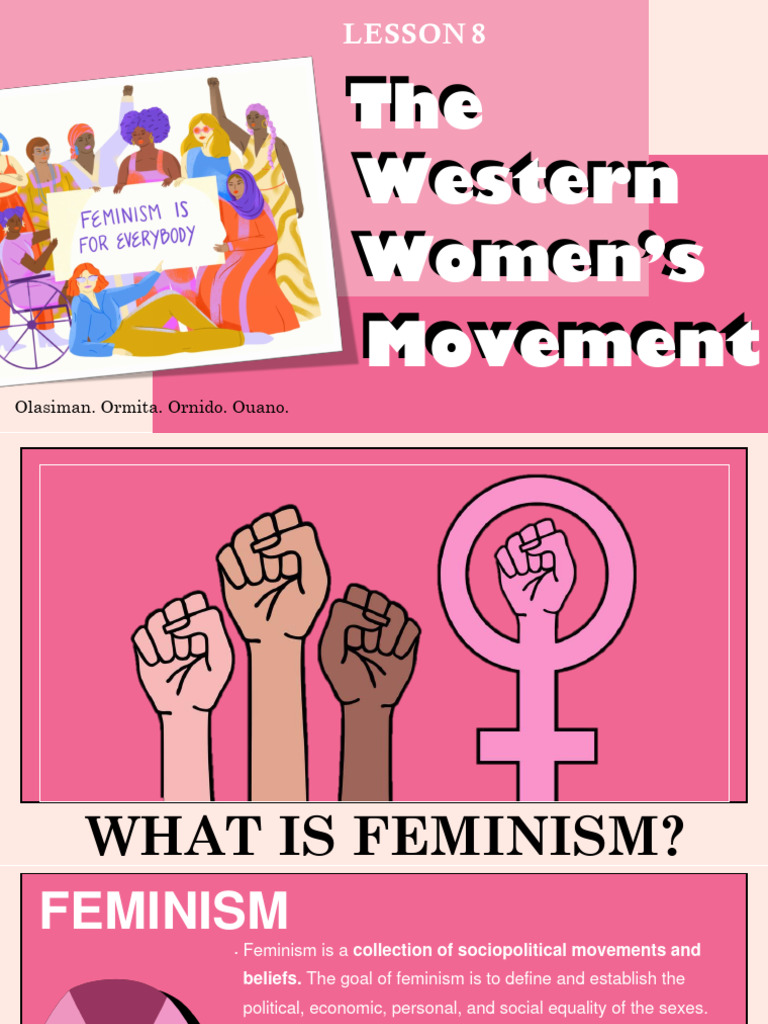
Western feminism, long celebrated as a bastion of progress and liberation, carries with it a less spoken yet profoundly pervasive undercurrent—a “Savior Complex” that manifests when Western feminists intervene in the lives of women abroad. This phenomenon, steeped in complex historical, cultural, and ideological dynamics, prompts a critical re-examination of power, agency, and paternalism within feminist praxis. Far from a mere academic curiosity, this dynamic reveals fissures in how feminism exports itself and reveals the urgent necessity for a paradigm shift—one that transitions from saviorism to solidarity, humility, and genuine allyship.
The Savior Complex: A Contamination of Feminist Intentions
At its core, the Savior Complex within Western feminism abroad is an uninvited messiah narrative: the assumption that Western feminists inherently possess superior knowledge, values, and moral clarity to “rescue” non-Western women from the supposed shackles of their cultures. It is a condescending lens, disguised often in good intentions, that disregards local voices, histories, and struggles. This complex not only prioritizes Western norms as universal solutions but also risks reinforcing the very systems of domination feminism seeks to dismantle.
Rather than fostering empowerment, such interventions often replicate colonial dynamics under the guise of emancipation. The narrative of the helpless non-Western woman in dire need of saving by the enlightened Westerner cornerstones the savior mythos, ultimately silencing the agency of the very women it claims to uplift. This proclivity to impose Western feminist frameworks abroad neglects the multiplicity of lived experiences and erases indigenous feminist discourses already flourishing within those contexts.

Historical Echoes: Colonialism Cloaked in Feminist Rhetoric
The Savior Complex is far from a novel aberration—it bears an unsettling resemblance to colonial narratives in which Western powers cast themselves as civilizers of ‘backward’ societies. Missionary zeal, paternalism, and cultural imperialism have historically been sanctioned by a self-declared moral high ground. Within this continuum, Western feminism’s exportation of its ideals often becomes a contemporary iteration of colonial intervention.
This historical backdrop is crucial for grasping the deeper implications of the Savior Complex. By failing to recognize this lineage, well-meaning feminist acts abroad risk unknowingly perpetuating violence cloaked in empathy. The imperialist legacy imbues such interventions with power imbalances that remain unaddressed, allowing Western feminism to function as an extension of neo-colonialism.
Agency Denied: The Silencing of Diverse Feminist Voices
To appreciate the true damage wrought by the Savior Complex, one must understand the profound impact it has on silencing indigenous feminist discourses. Women across Asia, Africa, the Middle East, and Latin America have long articulated nuanced critiques and conceptualizations of gender oppression, often inseparable from intersecting issues such as race, class, religion, and colonial histories.
However, Western feminist narratives—when thrust upon these contexts—sometimes flatten or erase these complexities. The insistence on universalizing Western frameworks sidelines efforts to sustain autonomous feminist movements rooted in local specificities. This imposition not only diminishes the validity of other feminist epistemologies but also exacerbates divisions rather than building coalitions. Such denial of agency betrays feminism’s emancipatory promise.
The Fetishization of “Rescue” and the Market for Benevolent Heroism
Saviorism in feminism is not only about ideology but also about spectacle and emotional gratification. There is an alluring glamour attached to the ‘heroic’ act of rescue, particularly in media portrayals and fundraising campaigns. These plays on emotional currency create a market where Western feminist actors can commodify suffering and portray themselves as indispensable protagonists in global gender justice.
This obsession with rescue breeds reductive storytelling and voyeurism, where the complexity of oppression becomes a simplistic tale requiring Western intervention. It encourages compassion fatigue and eventually moral complacency among Western audiences, who see themselves as part of the solution by virtue of empathy alone, not structural change. The feminization of these narratives often pathologizes non-Western women as victims in need of saving rather than agents of their own destinies.
Pivoting Toward Solidarity: Toward a More Humble Feminism
The antidote to the Savior Complex is not withdrawal or apathy—it is solidarity that centers humility, listening, and respect for local autonomy. Feminism must transition from the savior’s pedestal to becoming allies who support self-determined struggles. This requires acknowledging privilege and the limits of one’s understanding.
True solidarity demands that Western feminists step back, make space, and amplify historically marginalized voices. It insists on collaborative, intersectional approaches that recognize diverse worldviews and resist the temptation of easy, monolithic solutions. Solidarity disrupts saviorism by redefining success beyond symbolic rescues to sustained, collective empowerment.
Reimagining Feminist Praxis Abroad: Ethical Interventions and Mutual Learning
Reimagined feminist praxis involves a radical reconceptualization of responsibility. Western feminism must engage in reflexive critique and actively dismantle ethnocentric assumptions. Ethical interventions abroad should be co-constructed with local movements, based on mutual trust rather than unilateral directives.
This transformance fosters reciprocal learning, where Western feminists come to appreciate the multiplicity of feminist expressions and the resilience embedded in diverse socio-political contexts. Such praxis amplifies feminist solidarity as an intercultural dialogue, enriched by difference rather than homogenized by Western norms.

Conclusion: Toward a Future Beyond Saviorism
The Savior Complex in Western feminism abroad is a mirror reflecting deep-seated power imbalances that remain unresolved despite progressive rhetoric. It is a clarion call to reorient feminist activism toward reciprocity, racial humility, and contextual awareness. Recognizing and dismantling this complex does not diminish feminism but enriches it by expanding its epistemic horizons.
The promise of this shift lies in forging alliances grounded in respect, recognizing the dignity of diverse feminist traditions, and resisting the allure of rescue fantasies. Only then can feminism truly embrace an emancipatory vision that transcends borders without replicating the shadows of imperialism. The journey is fraught, but the possibilities for transformation—and genuine global feminist solidarity—are boundless.









Leave a Comment