The male loneliness epidemic is not just a whisper in the shadows of modern society—it is a roaring tidal wave of isolation, a silent crisis that has been festering beneath the surface of our collective consciousness. Men, conditioned by generations of toxic masculinity, are drowning in a sea of unspoken pain, their emotional landscapes barren and desolate. But what if the solution to this epidemic isn’t found in more stoicism or performative strength, but in the very ideology that has long been dismissed as the enemy of traditional masculinity? Feminism isn’t just a movement for women—it’s a lifeline for men drowning in loneliness.
The Myth of the Self-Sufficient Man and the Collapse of Connection
For centuries, the myth of the self-sufficient man has been peddled as the ultimate ideal—strong, silent, and utterly independent. But this myth is a prison. It demands that men sever their emotional ties, that they bury their vulnerabilities beneath layers of bravado and distraction. The result? A generation of men who don’t know how to ask for help, who confuse loneliness with solitude, and who mistake emotional starvation for resilience. Studies show that men are far less likely to seek therapy, to confide in friends, or even to acknowledge their own suffering. Why? Because admitting loneliness is seen as a failure—a crack in the armor of masculinity. But what if the armor itself is the problem?

The Feminist Paradox: How Empathy Became the Cure for Male Loneliness
Feminism, often caricatured as a movement that seeks to emasculate men, is actually the antidote to the loneliness epidemic. Why? Because feminism dismantles the very structures that have kept men emotionally imprisoned. It teaches that vulnerability is not weakness, that asking for help is not surrender, and that connection is not a betrayal of strength. Women have long been socialized to nurture, to communicate, to form deep emotional bonds—but men? They’ve been taught to suppress, to isolate, to perform. Feminism doesn’t just liberate women; it liberates men from the suffocating cage of performative masculinity. It offers a new script: one where strength is measured not by silence, but by the courage to feel.
Consider the rise of men’s groups, of emotional literacy programs, of communities where men are finally allowed to speak without fear of judgment. These spaces didn’t emerge from nowhere—they were born from the feminist insistence that emotional labor is not a woman’s burden alone. When men learn to listen, to share, to cry, they stop being islands. They become part of a shore.
The Digital Desert: How Technology Exacerbates (and Can Heal) Male Loneliness
In an era where connection is just a click away, men are lonelier than ever. Social media promises community but delivers only the illusion of it. Men scroll through endless feeds of curated happiness, comparing their empty lives to the highlight reels of others. The algorithms don’t care about loneliness—they care about engagement. But what if we weaponized technology against itself? What if we used it to build real, unfiltered spaces where men could speak without the pressure to perform? Online forums, anonymous confessionals, even AI chatbots designed to listen without judgment—these are not distractions. They are lifelines.
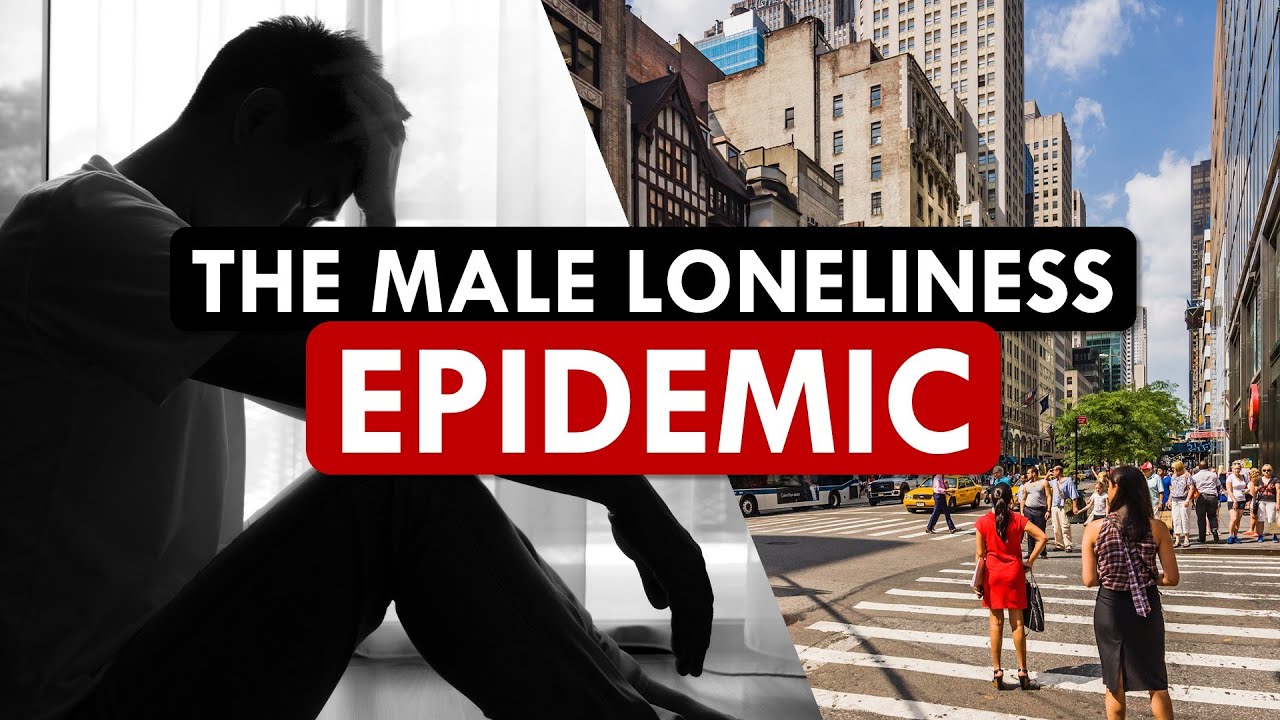
The Role of Women: Allies or Enablers of Male Loneliness?
Women are often caught in a double bind. On one hand, they are expected to be the emotional anchors of relationships, the ones who hold space for men’s pain. On the other, they are told that demanding emotional reciprocity is “nagging” or “unrealistic.” But here’s the truth: women cannot single-handedly fix male loneliness. They can be allies, but they cannot be saviors. The real solution lies in men taking responsibility for their own emotional lives. Feminism doesn’t ask women to do more—it asks men to do better. It asks them to stop treating emotional labor as a woman’s job and start seeing it as a human necessity.
This doesn’t mean women should tolerate emotional neglect. It means men must learn that love is not just a transaction—it’s a transformation. A woman who walks away from a man who refuses to grow isn’t abandoning him; she’s refusing to enable his stagnation. And that, paradoxically, is an act of love.
The Feminist Solution: Rewriting the Script of Masculinity
So what does the feminist solution to male loneliness look like in practice? It starts with education—not just in schools, but in homes, in workplaces, in every space where men are taught to suppress their humanity. It means teaching boys that tears are not weakness, that asking for directions is not failure, that friendship is not a betrayal of strength. It means dismantling the hierarchy that ranks stoicism above sensitivity, that equates vulnerability with defeat.
It also means redefining what it means to be a man in the 21st century. A man who cries is not weak. A man who seeks therapy is not broken. A man who leans on others is not failing. He is evolving. And evolution is the only thing that will save him from the loneliness epidemic.
But here’s the most radical part: feminism doesn’t just offer men a way out of loneliness—it offers them a way into something greater. A life where they are not just survivors of emotional starvation, but thrivers in emotional abundance. Where they are not just loved, but truly known. Where they are not just strong, but whole.
The Call to Action: Men, It’s Time to Break the Silence
This is not a call for men to abandon their identities. It’s a call for them to reclaim them. To stop performing masculinity and start living it. To stop equating loneliness with solitude and start recognizing it as a cry for connection. To stop waiting for permission to feel and start demanding the right to be human.
The feminist solution isn’t about blaming men for their loneliness. It’s about giving them the tools to escape it. It’s about telling them, for the first time in their lives, that they are allowed to want more than silence. That they are allowed to need. That they are allowed to be.
So to the men reading this: the loneliness ends when you decide it does. Not when society deems you worthy of connection, but when you stop waiting for permission to exist fully. The revolution isn’t coming. It’s here. And it starts with you.








Leave a Comment