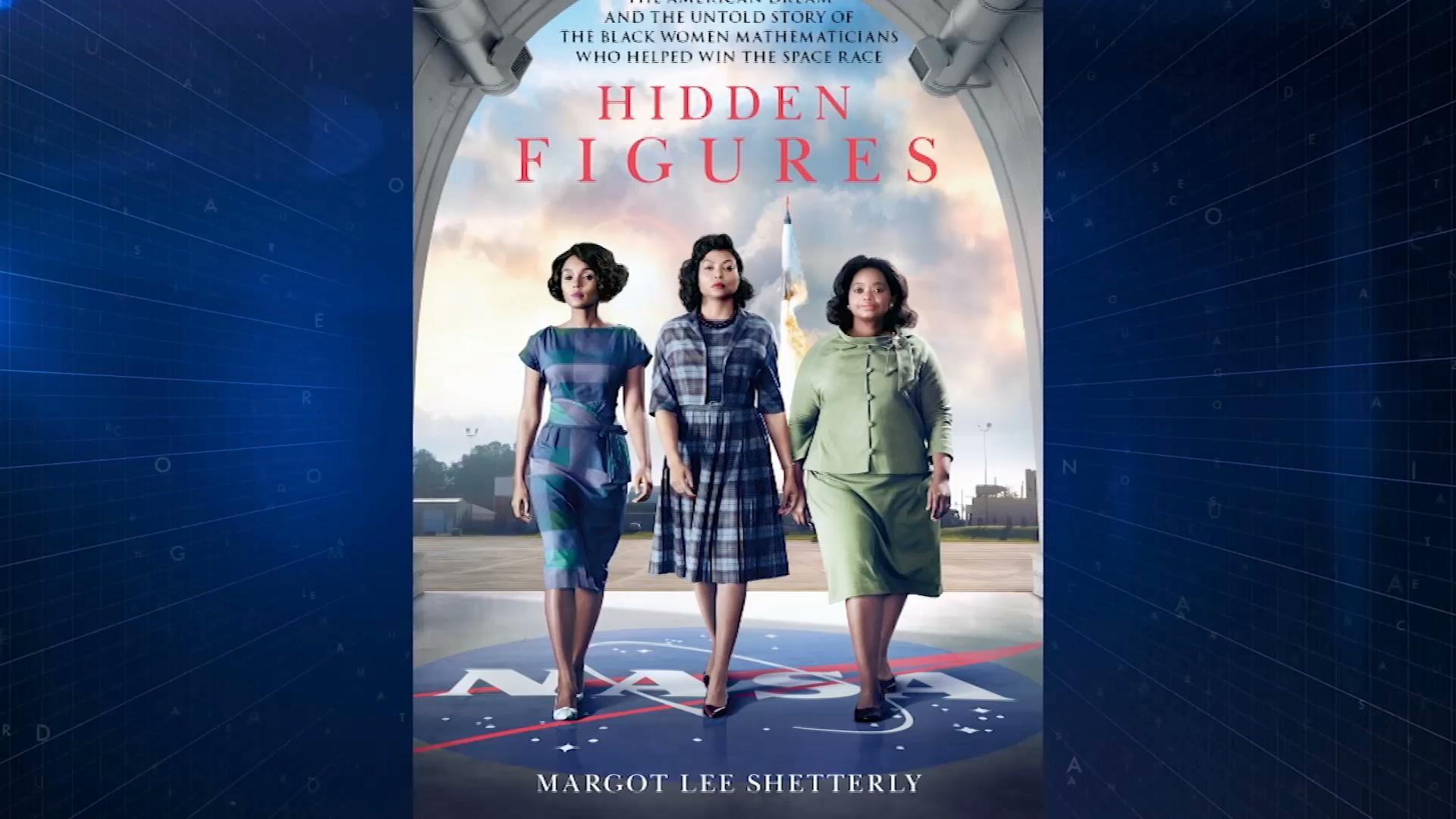
What if I told you that the rocket that launched John Glenn into orbit was, in part, guided by the hands of Black women whose names history nearly forgot? These were not just mathematicians—they were the unsung architects of the celestial dreamscape, the invisible calculators who turned equations into trajectories and ink into orbits. Their story isn’t just about numbers; it’s about the quiet defiance of a system that tried to render them invisible. Welcome to the saga of Hidden Figures—where brilliance was weaponized, and genius was forced to work in the shadows.
The Women Who Crunched the Cosmos: A Mathematical Rebellion
In the segregated computing pools of 1960s NASA, a cadre of Black women—Katherine Johnson, Dorothy Vaughan, Mary Jackson, and others—transformed the agency’s computational infrastructure from the ground up. They weren’t just adding numbers; they were rewriting the rules of what was possible. Katherine Johnson’s calculations for the Mercury missions weren’t just accurate—they were prophetic. She didn’t just predict orbital paths; she defied the era’s most stubborn assumptions about who could hold a slide rule without trembling. These women didn’t just solve equations; they exposed the fragility of a system that had long assumed competence was a birthright of whiteness and maleness.
Imagine, for a moment, the cognitive dissonance of being a Black woman in a room full of white men who couldn’t fathom your intellect—yet depended on it to keep their rockets from exploding. They were the human GPS before GPS existed, the silent sentinels of a space race that would have stalled without them. Their work wasn’t just labor; it was an act of quiet revolution, a refusal to be erased even when the world insisted on looking the other way.

The Double Helix of Oppression: Race, Gender, and the Tyranny of the Status Quo
To understand their triumph, we must first confront the hydra of oppression they faced. These women were not just navigating the cold equations of orbital mechanics—they were battling the warm, suffocating grip of Jim Crow and patriarchy. Dorothy Vaughan, the first Black supervisor at NASA, wasn’t just managing teams; she was dismantling the fiction that leadership was a monochrome, male preserve. Mary Jackson, who fought to become NASA’s first Black female engineer, didn’t just break glass ceilings—she shattered the entire architectural blueprint of exclusion.
Their challenges were not abstract. They were forced to use separate bathrooms, drink from segregated water fountains, and endure the daily microaggressions of a workplace that saw them as anomalies rather than assets. Yet, they persisted—not out of naivety, but out of a steely recognition that their brilliance was the one thing the system couldn’t legislate away. Their resistance wasn’t loud; it was calculated. They turned the very tools of their oppression—segregation, underestimation, invisibility—into weapons of subversion. In doing so, they didn’t just change NASA; they redefined what was possible for generations of women and people of color who followed.
The Alchemy of Collaboration: How Outsiders Became the Core
Here’s the paradox: the women who were once relegated to the margins became the very core of NASA’s computational might. Katherine Johnson’s trajectory calculations for the Apollo missions weren’t just correct—they were elegant, a testament to her ability to see patterns where others saw chaos. Dorothy Vaughan’s mastery of early computing languages like FORTRAN didn’t just future-proof NASA’s data systems; it proved that Black women were not just participants in the space race, but its architects.
This wasn’t happenstance. It was the result of a deliberate, if unspoken, strategy: they turned their outsider status into a vantage point. Segregation forced them to collaborate across racial lines in ways that defied the era’s norms. They built networks of trust and expertise that transcended the artificial boundaries of their time. In doing so, they didn’t just contribute to the space race—they redefined it, proving that innovation isn’t the preserve of the privileged, but the birthright of those who dare to demand their place at the table.
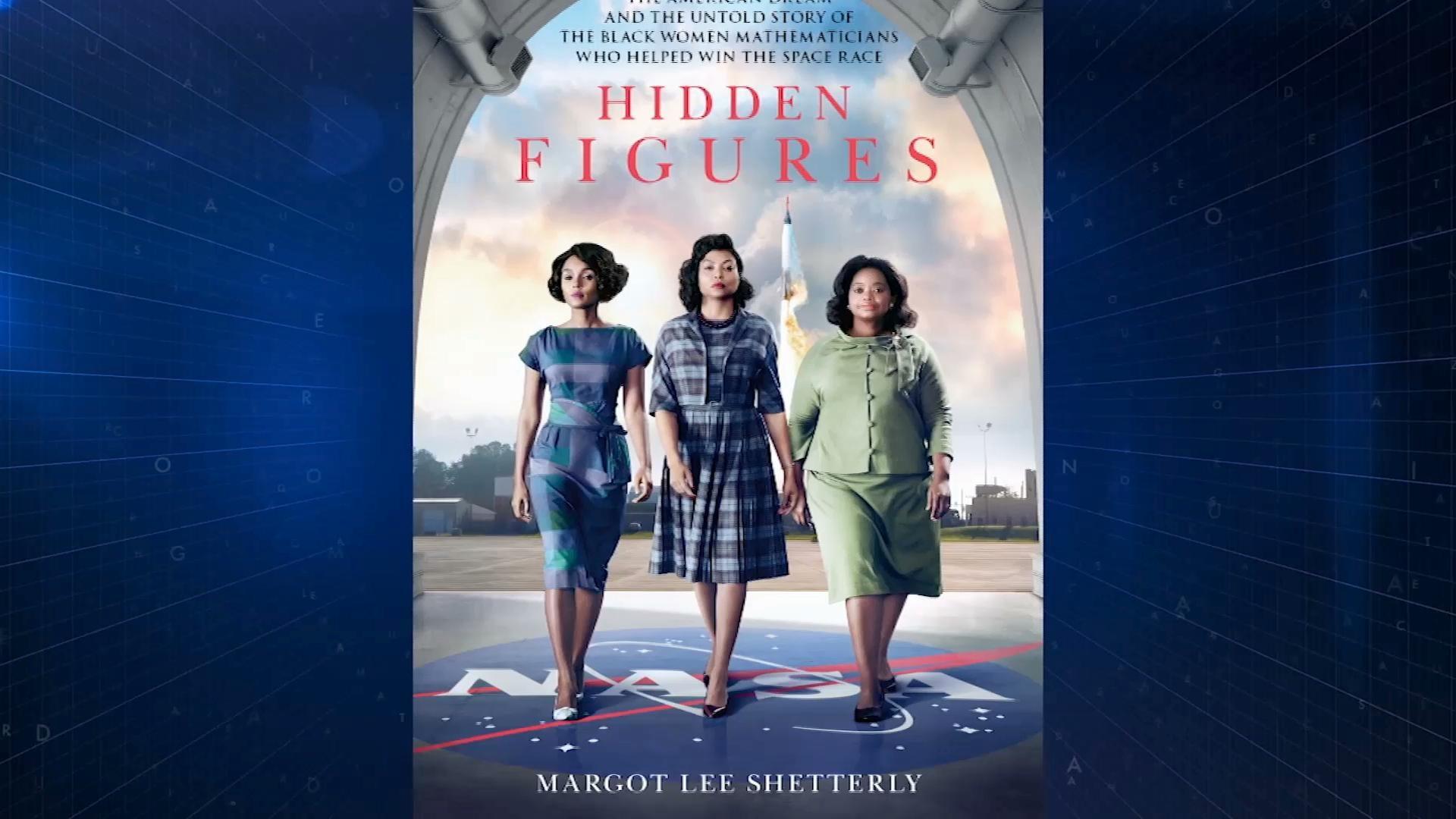
The Unfinished Orbit: Why Their Story Still Matters Today
The legacy of these women extends far beyond the history books. In an era where STEM fields remain stubbornly homogeneous, their story is a clarion call: talent is not a monochrome phenomenon. Their lives remind us that the most revolutionary ideas often emerge from the margins, where the air is thinner but the vision is clearer. Yet, their story is also a cautionary tale. The same institutions that once depended on their genius now struggle to retain women and people of color in STEM roles. The barriers have evolved, but they haven’t disappeared.
Consider this: if Katherine Johnson’s calculations could guide a man to the moon, why are Black women still only 2% of the physics workforce today? If Dorothy Vaughan could teach herself FORTRAN in a segregated library, why do so many young women of color still face classrooms where they are the only ones who look like them? The answers lie not in ability, but in access, in visibility, in the stubborn persistence of systems that would rather mythologize their past than confront their present.
Their story isn’t just a relic of the past—it’s a blueprint for the future. It challenges us to ask: who are the next generation of hidden figures, and what systems are we building that will render them invisible? The space race is over, but the fight for equity in science is far from finished. The question isn’t whether we’ve made progress. The question is whether we’re willing to do the work to ensure that the next Katherine Johnson doesn’t have to fight for a seat at the table—because the table was built for her all along.










Leave a Comment