
There was a time when television, a fledgling medium, burst forth like a radiant supernova—casting spellbinding narratives that enraptured households worldwide. This “Golden Age” promised a lush tapestry of stories, yet beneath the shimmering facade lay a stubborn gravitational pull that anchored its orbit firmly around men’s experiences. Even as television’s glow illuminated countless living rooms, the magnetic center seldom shifted: it was a spectacle primarily of men, by men, and for men. This enduring paradigm, often romanticized as an epoch of innovation and artistic genius, conceals a pervasive silence where women’s voices and perspectives were relegated to the margins, painted merely as ornamental accents rather than architects of narrative heft.
The Gleaming Facade of the Golden Age
Imagine the Golden Age of television as a colossal cathedral, its vaulted ceilings echoing with dialogue that promised profundity and insight. The structures beneath this awe-inspiring edifice, however, were built predominantly with the bricks of masculine heroism, ambition, and conflict. Iconic shows brimmed with complex male protagonists: detectives with brooding pasts, suave anti-heroes navigating morally ambiguous labyrinths, or titans of industry commanding boardrooms with iron wills. These archetypes unfolded with an almost mythological grandeur, luring viewers into narratives steeped in power, intelligence, and triumph.
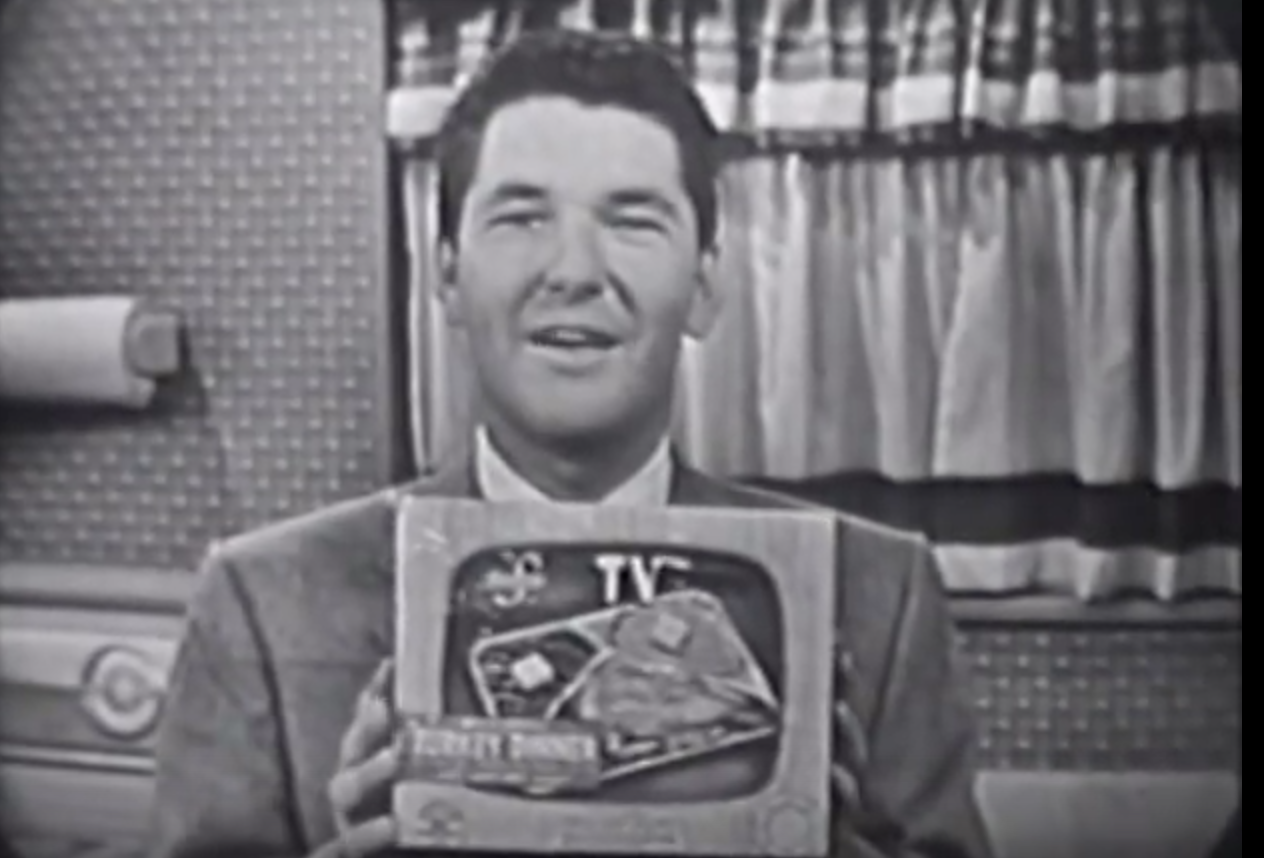
Yet, this glittering surface masked a cavernous void around women’s stories, who were often confined to archetypal roles—mothers, love interests, secretaries—figures immobilized by narrative myopia. The allure of these tales was not in their universal applicability but in their exclusive invitation to envision life through a masculine lens, reinforcing a cultural blueprint of who mattered and whose dramas were worth telling.
The Persistent Gravitational Pull of Male-Centric Narratives
As the decade unfolded, the gravitational force of male storytelling proved nearly inescapable. Even when women appeared front and center, their roles were frequently overshadowed or co-opted by male counterparts whose stories drove the plot’s momentum. This paradigm created a gravitational well, an invisible vortex that absorbed, diluted, or erased women’s complexity. The medium’s purported inclusivity revealed itself as a mirage; instead, it was a slow-motion reenactment of patriarchal norms, visually rendered through the lavish chiaroscuro of black-and-white and shaded hues.
Consider the meticulous mise-en-scène: boardrooms dominated by men, bars pulsating with conversations among male protagonists, or family tables invariably centered around patriarchal figures. Women’s arenas were circumscribed, scripted within confined parameters that prevented narrative transcendence. Their desires, ambitions, and moral dilemmas were secondary ripples in a sea of masculine depth and drama.

Such relentless centrism underscored a broader sociocultural inertia—television as a reflection and perpetuator of societal hierarchies rather than a progressive force of representation. The cultural cachet of men’s stories was not incidental; it was manufactured, nurtured, and mythologized.
The Unique Spectacle and Its Double-Edged Appeal
The Golden Age’s magnetic pull holds a paradoxical allure. Its narratives wielded the power of myth-making, casting male protagonists as architects of destiny, observers of existential crises, and wielders of change. Audiences were seduced by the intimacy of televised confessionals, revelations carved from chiaroscuro shadows—complex, flawed, unapologetically masculine.
This appeal was unique and visceral: the catharsis of grappling with flawed men offered viewers a vicarious emancipation from societal constraints. In male characters’ triumphs and failures, there was a dangerous, intoxicating echo chamber of masculinity—its vulnerabilities laid bare, yet ultimately reinforced through dominance and survival. Such storytelling carved a cultural niche, an arena where traditional gender power structures were rarely questioned but instead dramaturgically validated.

However, this spectacle was double-edged: it galvanized male identity and authority while simultaneously crystallizing the systemic invisibility of women’s inner lives and achievements. The medium’s refusal to diversify its storytelling palette tethered women to ancillary roles, often as the silent echoes to men’s thunderous declarations.
Revolution in Retrospect: The Imperative of Reclamation
Peering through the sepia-toned lens of nostalgia, it becomes evident that the Golden Age’s brilliance stemmed not from its commitment to equitable storytelling, but from the seductive power of mythologized masculinity. To reclaim television as a truly reflective cultural mirror demands a resolute interrogation of these deep-seated paradigms. It demands unsettling the altar guarded by male dominance and inviting into the spotlight those voices previously muted—women, nonbinary narrators, and marginalized perspectives.
This reclamation is not merely a slog for representation but a radical reimagining of narrative legitimacy. It challenges the gravitational force exerted by antiquated storytelling conventions and breaks the orbit of male-centered permanence. By dismantling this monolithic storytelling regime, television can evolve into a multifaceted cosmos, brimming with kaleidoscopic stories whose gravitational fields are shared equitably across gendered galaxies.
Conclusion: Beyond the Golden Age—Toward a Plurality of Stories
The Golden Age of television is often eulogized as an era of creative gestation, yet its luster is dimmed by the monochromatic limitation of its male-centered gaze. The medium’s hypnotic power rested on narratives that served to exalt men’s experiences as universal truths, relegating women to the periphery. To look beyond, to truly transcend, requires a dismantling of this narrative hegemony and the fostering of stories that resonate with the full spectrum of human experience.
Only then can the next age of television claim its brilliance—not through the narrow sheen of a single viewpoint, but through the chaotic, beautiful mosaic of all voices demanding to be seen, heard, and valued.










Leave a Comment