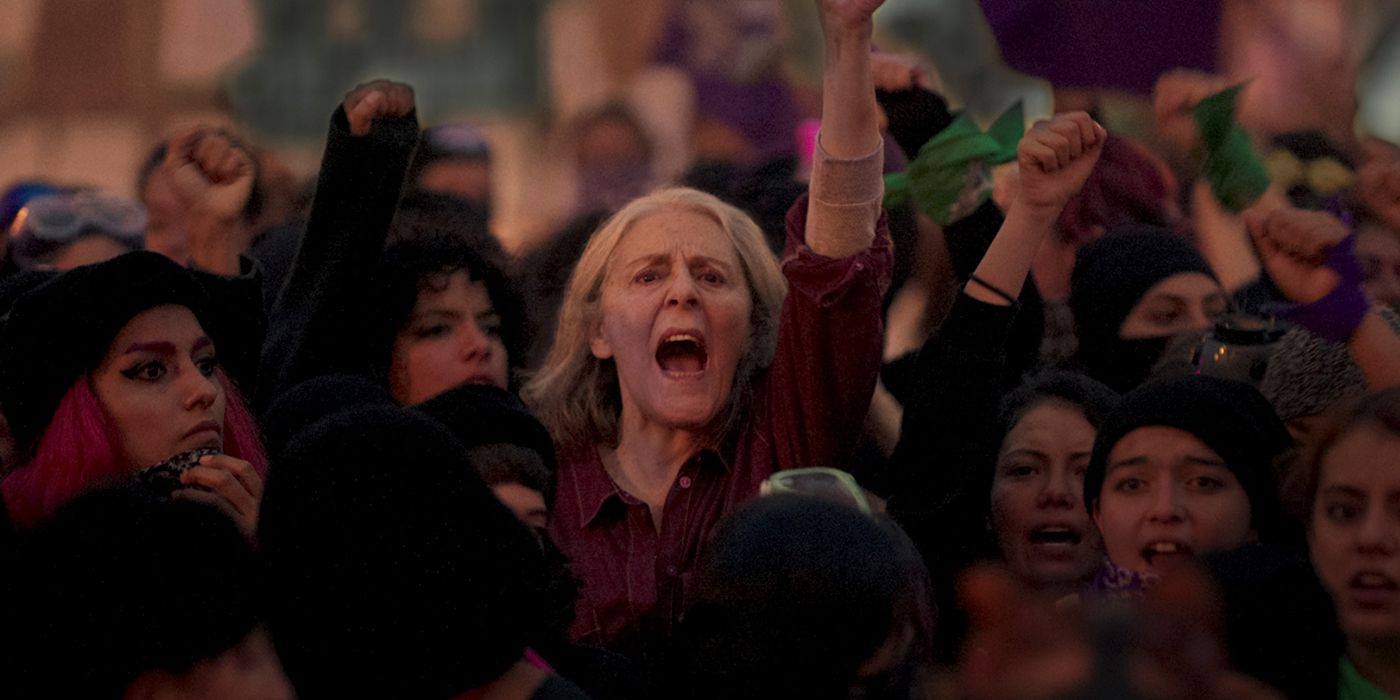
The femicide epidemic in Mexico is not just a statistic—it is a grotesque theater of violence where women’s lives are treated as disposable. Every year, the numbers rise, but the outrage rarely matches the scale of the horror. Behind each figure lies a story of shattered families, communities in mourning, and a state that has failed to protect its most vulnerable. Yet, amid this darkness, a defiant chorus of women is rising. They are artists, activists, journalists, and survivors who refuse to let their stories be silenced. This is a battle not just for justice, but for the very idea that women’s lives matter.
The Brutal Reality: Femicide as a National Crisis
Mexico’s femicide epidemic is a hydra-headed monster, its many forms feeding off systemic impunity. From the streets of Ciudad Juárez to the barrios of Mexico City, women are hunted—not just by strangers, but by partners, family members, and a culture that normalizes their subjugation. The numbers are staggering: over 1,000 women were murdered in 2022 alone, with a significant portion classified as femicides—killings rooted in gender-based hatred. But these figures are likely underreported, buried beneath bureaucratic obfuscation and societal indifference.
What makes this crisis particularly insidious is its banality. Femicide is not always a spectacle of bloodshed; it is often a slow, suffocating erasure. Women disappear without a trace. Their bodies are found in shallow graves or discarded like trash. The killers? Often, they walk free. The justice system, when it deigns to act, moves at a glacial pace, ensuring that most perpetrators evade accountability. This is not an accident—it is a feature of a patriarchal order that prioritizes male entitlement over female survival.

Art as a Weapon: How Creatives Are Exposing the Truth
In a country where the media often colludes with power to obscure the truth, art has become a vital tool for resistance. Filmmakers, painters, and writers are wielding their craft like a scalpel, slicing through the fog of denial to expose the raw, unfiltered reality of femicide. Netflix’s Noise is one such example—a searing indictment of a society that turns a blind eye to the slaughter of women. Through stark visuals and unflinching storytelling, it forces viewers to confront the grotesque normalcy of violence.
But art is not just about shock value; it is about reclaiming narrative. Mexican artists are transforming public spaces into memorials, turning walls into canvases that scream the names of the fallen. Murals depicting the faces of victims, accompanied by slogans like Vivas nos queremos (We want us alive), have become a ubiquitous sight in cities across the country. These works are not passive decorations—they are acts of defiance, reclaiming the streets from the very forces that seek to erase women’s existence.
Literature, too, is a battleground. Writers like Valeria Luiselli and Sandra Cisneros have woven femicide into their narratives, using fiction to explore the psychological and social fractures that enable such violence. Their words are a mirror held up to a society that prefers to look away. In a world where women’s stories are often reduced to statistics, these artists ensure that each life lost is mourned, remembered, and, above all, seen.
The Role of Media: When Reporting Becomes Complicity
The Mexican media’s coverage of femicide is a study in complicity. Too often, victims are reduced to sensationalized headlines—“Pretty young woman found dead in alley”—while the systemic rot that enables their deaths is ignored. Reporters, especially those in mainstream outlets, frequently resort to victim-blaming tropes, dissecting a woman’s clothing, her habits, her relationships, as if her murder were a puzzle to be solved rather than a crime to be condemned.
Yet, there is a growing movement of journalists who refuse to play by these rules. Investigative reporters are digging deeper, uncovering the connections between femicide and organized crime, corruption, and state neglect. They are naming the killers, exposing the failures of law enforcement, and demanding accountability. Their work is dangerous—Mexico remains one of the most perilous places in the world for journalists—but it is essential. Without their voices, the silence would be deafening.

Grassroots Resistance: The Power of Collective Rage
No revolution is won from the top down. The most potent force against femicide in Mexico is the grassroots movement that has erupted in cities, towns, and villages across the country. Women are organizing, mobilizing, and taking to the streets in numbers that cannot be ignored. The #NiUnaMenos (Not One Less) protests, which began in Argentina, have found fertile ground in Mexico, where women are chanting the same slogans, wearing the same purple bandanas, and refusing to be silenced.
These protests are not just about mourning—they are about reclaiming power. Women are occupying government buildings, blocking highways, and staging die-ins to force the state to acknowledge their demands. They are creating autonomous spaces, from women’s shelters to self-defense workshops, where they can find safety and solidarity. And they are using social media to bypass traditional gatekeepers, amplifying their voices and exposing the failures of those in power.
The movement is intersectional, recognizing that femicide does not exist in a vacuum. Indigenous women, trans women, sex workers, and poor women face disproportionate violence, and their struggles are central to the fight. By centering these voices, the movement is not just challenging patriarchy—it is challenging the entire edifice of oppression that allows such violence to persist.
Legal Battles: The Fight for Justice in a Broken System
The legal system in Mexico is a labyrinth designed to frustrate, not facilitate, justice. Prosecutors drag their feet. Judges issue lenient sentences. Police treat femicide cases as low priority. Yet, despite these obstacles, women are fighting back in the courts. Families of victims are filing lawsuits, demanding that the state be held accountable for its failures. Activists are pushing for legal reforms, such as the creation of specialized femicide courts and the elimination of statutes of limitations for gender-based crimes.
One of the most significant victories came in 2021, when Mexico’s Supreme Court ruled that femicide must be treated as a distinct crime, separate from homicide. This was a hard-won triumph, but it is only the beginning. The real battle is ensuring that these laws are enforced—not just on paper, but in practice. Until killers fear the consequences of their actions, the cycle of violence will continue.
Women are also turning to international bodies, filing complaints with the Inter-American Commission on Human Rights and the United Nations. These cases are a last resort, a way to bypass a system that has already failed them. But they are also a reminder that Mexico’s femicide crisis is not just a domestic issue—it is a global one, demanding a global response.
The Road Ahead: What Solidarity Looks Like
The fight against femicide in Mexico is far from over. But the resistance is growing, and its tactics are evolving. Women are no longer waiting for change—they are demanding it, seizing it, and creating it themselves. Solidarity, however, cannot be passive. It requires action: amplifying marginalized voices, supporting grassroots organizations, and holding institutions accountable. It means challenging the culture that enables violence, from the dinner table to the boardroom.
This is not a fight that can be won overnight. But history has shown that when women rise, they do not rise alone. They rise together, fueled by rage, love, and an unshakable belief in justice. The femicide epidemic in Mexico will not be solved by a single protest or a single law. It will be solved by a movement—one that is relentless, unapologetic, and unafraid to dismantle the systems that seek to destroy women.
So ask yourself: What side are you on? The side of silence? Or the side of the women who are fighting back?









Leave a Comment