
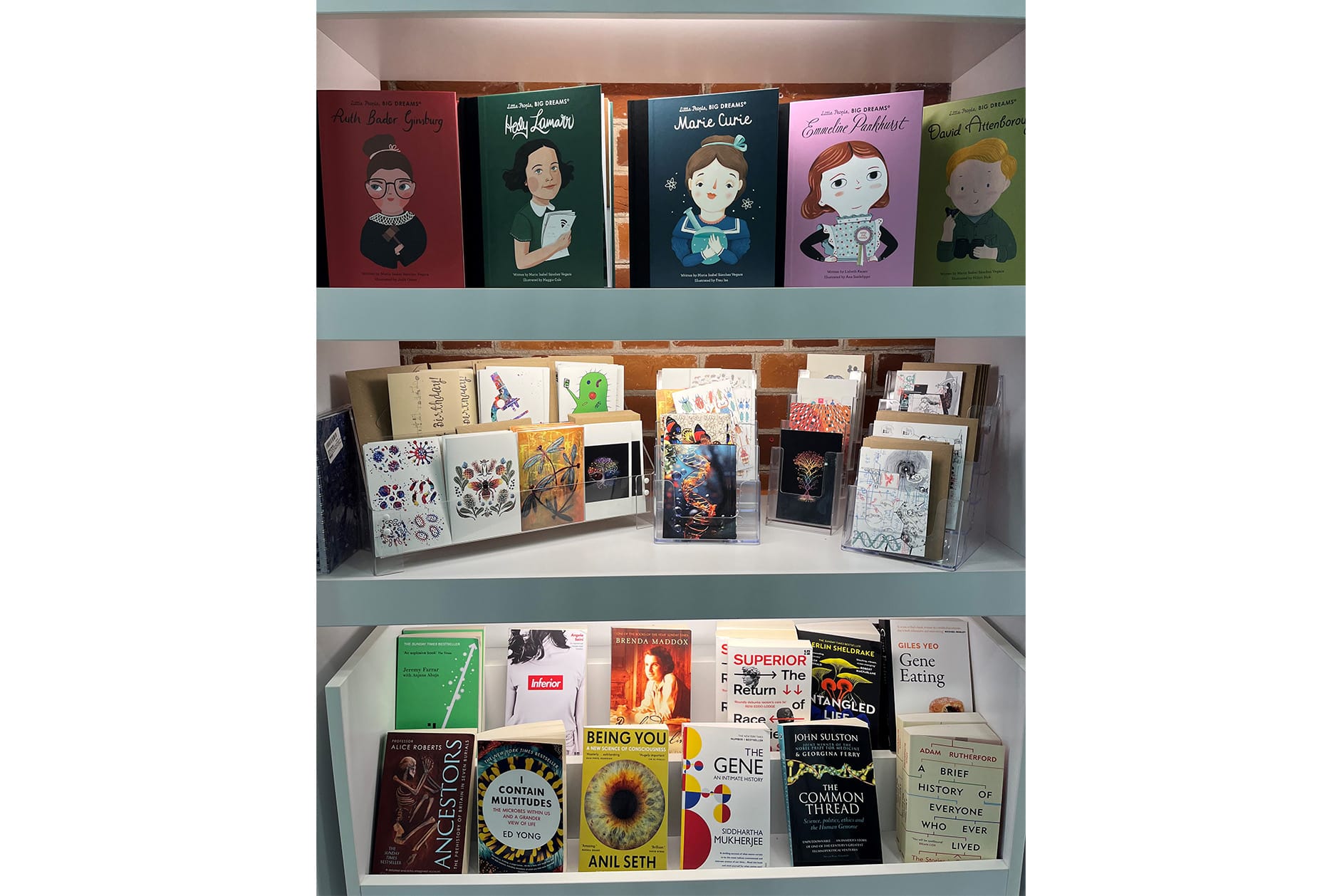
The “Female Author” shelf at bookstores often masquerades as a sanctuary of visibility and celebration, a marquee for women’s voices in a historically male-dominated literary world. Yet, beneath this ostensibly progressive veneer lies a labyrinthine trap—a carefully curated enclosure that limits, segregates, and ultimately dilutes the revolutionary potential housed within women’s writing. The female author shelf is more than just a marketing strategy or a nod to diversity; it is a subtle, insidious mechanism that confines female creativity into predefined genres, themes, and narratives. To truly understand the implications, one must dissect the varied content these shelves offer—and more importantly, what they exclude.
The All-Too-Familiar Genre Ghetto
Step up to the female author shelf, and you’ll swiftly notice an overrepresentation of certain genres: domestic fiction, romance, memoirs centered around personal trauma, and feel-good contemporary novels geared toward emotional journeys or relational epiphanies. This genre ghettoization reinscribes archaic tropes about what women should write about and, conversely, what readers expect from female authors. There is an unspoken rule enforced here—that women’s creativity is best displayed within the “safe,” emotionally intimate, and often commercially palatable confines of these categories.
This rigid framing stifles the radical potential women have to wield the pen as a tool of rebellion in speculative fiction, hard science fiction, political thrillers, or even philosophical treatises that challenge societal structures. Rarely do female authors writing in these spaces get placed under the “female author” banner; instead, they’re either marginalized elsewhere or absorbed into the more “neutral” general shelves, depriving the female author shelf of any expansive representation.
Narratives Clothed in Trauma
Another pervasive hallmark of the female author shelf is its disproportionate reliance on trauma as a narrative cornerstone. There is an unsettling emphasis on memoirs, novels, and essays fixated on experiences of abuse, violence, mental health struggles, or systemic oppression. While these narratives are undeniably important and reflective of lived realities, their constant foregrounding risks reducing female authors to mere survivors rather than multifaceted creators.
This obsession with trauma encases women’s stories in pain, engendering a form of literary voyeurism and emotional commodification. Traumatic narratives become a commercially safe currency, promising emotional depth and catharsis but often at the expense of acknowledging women’s full complexities—their desires, ambitions, intellect, and humor that refuse to be tethered to suffering. The female author literature shelf thus becomes a showcase for societal wounds rather than a platform for diverse expressions of female identity.
Self-Help and Domesticity as Female Author Staples
Perched comfortably among the female authors’ ranks are volumes of self-help, wellness, and domestic guidance: cookbooks, parenting manuals, lifestyle memoirs, and even spiritual guides. While women’s expertise in these fields should never be disregarded, their overwhelming presence on these shelves limits public perception of female intellectualism and creative scope.
This proliferation reiterates long-standing gender expectations—that women’s chief concerns revolve around home, family, and personal betterment. The market’s eagerness to align female authorship with nurturing, caretaking, and emotional labor perpetuates outdated paradigms of womanhood and undermines efforts to usher female literary voices into more varied and daring territories.
Exoticism and Nostalgia: The Female Author as Cultural Curator
Some female author shelves lean heavily on exoticism and nostalgia, packaging women writers as conduits for curated cultural or historical realms. Historical romance novels, retro memoirs, and sweeping epics set in idyllic pasts dominate. This not only panders to a particular demographic’s desire for escapism but also subtly instructs consumers on the “proper” terrain for female storytelling.
Imbued with the aesthetic of bygone eras or culturally “other” spaces, these selections craft a safe aesthetic distance from present-day complexities and political realities, effectively sanitizing female authorship into something consumable and less threatening. Rather than signal, shout, or disrupt, these works often soothe and charm, reinforcing the containment of female literary energy within pretty packages.
The “Feel-Good” Fiction Paradox
On the surface, “feel-good” fiction on female author shelves might seem empowering—a celebration of joy, resilience, and optimism. However, this subcategory risks perpetuating a paradox: the insistence on narratives that comfort instead of provoke or unsettle. Female authors whose works resist neat resolution or embrace ambiguity frequently find themselves bypassed in favor of stories that conclude with restored relationships, personal growth, or romantic fulfillment.
There is a deliberate curtailment here, a tacit expectation that women’s literary offerings should soothe rather than disturb the reader’s moral or social sensibilities. The insistence on positivity can be oppressive, muting the necessary dissonance great literature must be willing to embody. Writers who dare to dwell in discomfort or complexity challenge the market’s pet notions of female authorial purpose.
What Lies Beyond the Shelf: The Real Fight for Female Authorship
Ultimately, the female author shelf is a construct that speaks less about women’s writing and more about societal attempts to regulate and package female creativity. To dismantle this trap demands more than token representation—it requires a radical restructuring of literary markets, bookstore organization, and reader expectations. Women authors deserve to appear prolifically across all genres, themes, and categories without being corralled into arbitrary divisions.
The true victory would be a bookstore where gender is irrelevant to shelf placement because equal literary legitimacy is granted to all voices. It is there, beyond the limiting confines of the “female author” shelf, that women’s writing can claim its rightful space—wild, unruly, unapologetic, and expansive—unshackled from the sentimental, trauma-centric, and domestically bound tropes that too often define it.







Leave a Comment