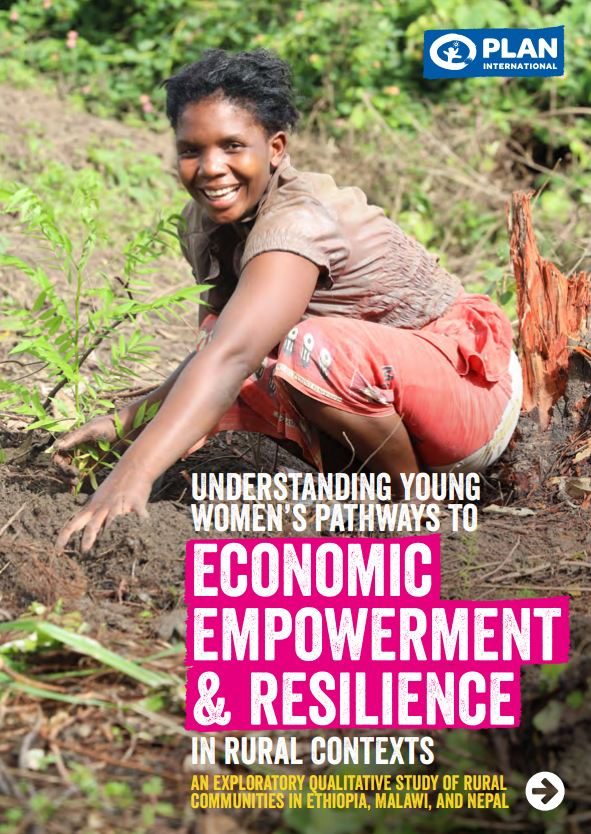
Empowerment—the word echoes through activist circles, boardrooms, and policy documents with an almost sacred resonance. It conjures images of women breaking chains, shattering glass ceilings, and redefining power structures. But beneath this glittering veneer lies a disquieting dissonance: empowerment narratives thrive on idealism while sidestepping the unforgiving complexities of economic reality. What if the empowerment we so fervently champion is, in many ways, a carefully curated illusion? One that masks systemic economic impediments and perpetuates a cycle of symbolic victories instead of substantive transformation?
The Mirage of Empowerment: When Rhetoric Outpaces Reality
At its core, empowerment is portrayed as liberation from oppression, an ascension to autonomy and agency. Yet, this portrayal often glosses over the structural economic barriers that tether women to precarious existences. The pervasive discourse frames empowerment as an achievable personal feat—an entrepreneurial spirit, a career breakthrough, or education acquired. While individual success stories are uplifting, they risk becoming anecdotal tokens that obscure the entrenched fiscal inequities that govern the daily lives of countless women.
Consider this: access to education or microloans, often heralded as empowerment milestones, does nothing if the broader labor market is riddled with discrimination or if wages are abysmally low. When empowerment narratives become mere vehicles for inspirational storytelling, they inadvertently excuse the absence of systemic economic reform, instead placing the onus on women to “pull themselves up by their bootstraps” against Herculean odds.
Economic Disempowerment Undermining Empowerment Mandates
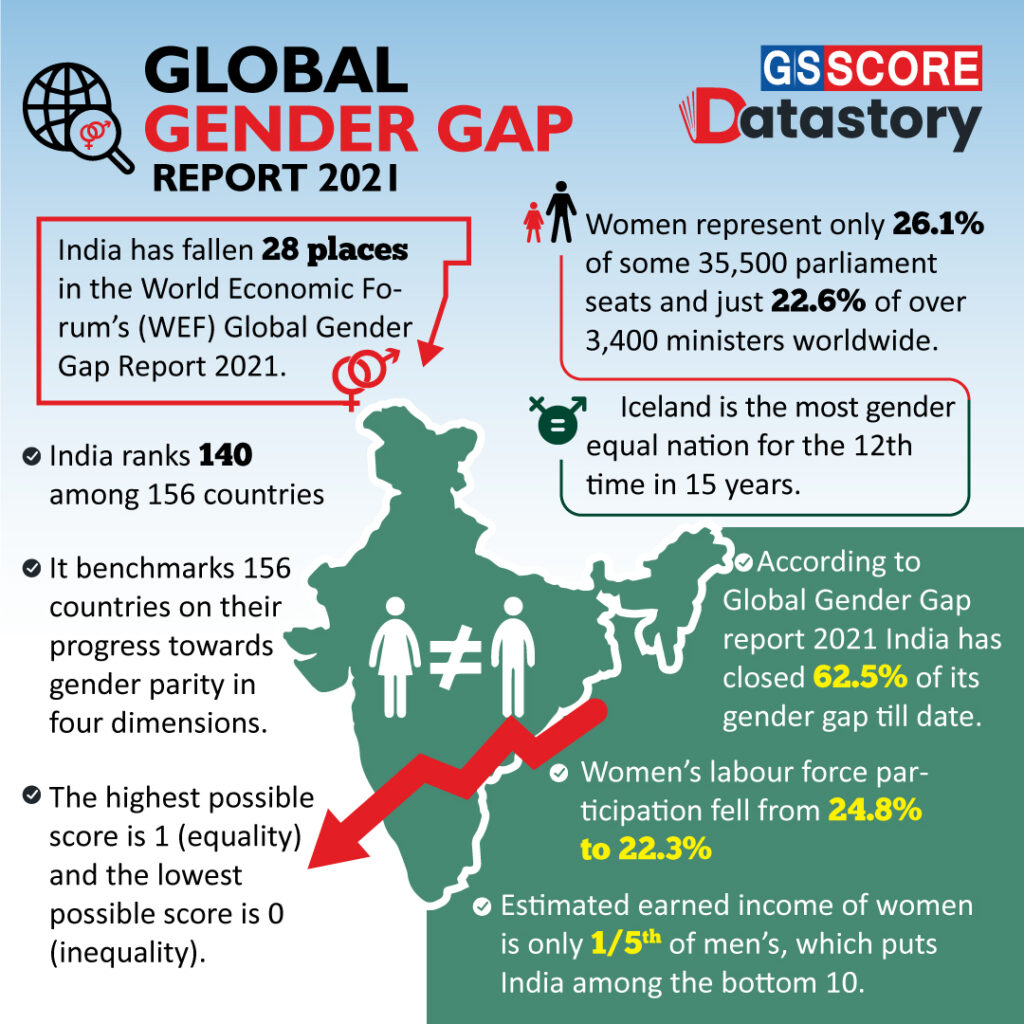
The gravity of economic disempowerment lies in its invisibility within the popular empowerment dialogues. Women comprise a significant portion of the informal workforce—jobs that provide neither security nor adequate remuneration. The narrative often excludes these realities, focusing instead on formal economic participation as the sole barometer of progress.
Far too often does empowerment equate to employment, but what of the quality, stability, and scale of these jobs? Without addressing the economic ecosystem—wage gaps, unpaid labor, limited access to capital—the so-called empowerment is fragile at best, a castle built on sand. Feminist rhetoric must confront this absurdity where empowerment is measured by presence in the workforce rather than by economic sustenance and equity.

The Fetishization of Empowerment Through Consumer Capitalism
Empowerment has, alarmingly, been co-opted by consumer capitalism, transforming it into a marketable commodity. This commodification paints empowerment as purchasable through products, services, and branded campaigns that promise personal growth but rarely challenge the foundational economic injustices.
The result? A distracting spectacle where empowerment becomes synonymous with consumption—buy this product, support this cause, wear this slogan—and suddenly you’re “empowered.” This illusion subsumes activism beneath glossy marketing, rendering economic realities invisible behind polished advertisements and feel-good narratives.
Such commercialization not only dilutes the radical potential of empowerment but also exploits women’s aspirations, funneling their desires into consumerist channels rather than systemic change. It is a haunting reminder of how capitalism adapts, neutralizes dissent, and maintains economic hierarchies under the façade of progress.
The Crucial Intersection of Economic Policy and Genuine Empowerment
True empowerment demands a reckoning with fiscal policies, social safety nets, and redistributive justice. It is not enough to trumpet empowerment without dismantling structural impediments—unequal property rights, discriminatory credit systems, absence of universal healthcare, and the undervaluing of care work. In this arena, policy is power.
When economic liberty is no longer a privilege but a universal right, empowerment acquires its revolutionary meaning. Policy frameworks that prioritize women’s access to land ownership, equitable wages, and social protections pivot empowerment from empty rhetoric to tangible change. Without such frameworks, empowerment risks dissolution into a rhetorical charade.
.jpg)
A Call to Reimagine Empowerment Beyond Surface Victories
It is time to recalibrate our collective gaze, to peel back the veneer, and confront the economic realities that empowerment narratives often evade. Empowerment must transcend personal triumph and become a shared socioeconomic metamorphosis marked by systemic accountability and redistributive justice. Otherwise, it remains a hollow catchphrase, a seductive myth that placates while perpetuating disparities.
In reimagining empowerment, the feminist struggle gains new teeth—no longer confining itself to symbolic victories like boardroom seats or social media buzz but engaging directly with the machinery of economic power. This demands unsettling truths, uncomfortable conversations, and a disruptive politics that refuses to sanitize the harsh truths women face.
Conclusion: Towards an Empowerment That Respects Economic Realism
Empowerment divorced from economic reality is empowerment denied. Without confronting the labyrinthine structures of income inequality, labor exploitation, and systemic deprivation, empowerment remains a fragile chimera. By acknowledging and addressing these realities, the promise of true transformation becomes attainable.
The empowerment narrative must break free from its glossy captivity. It must become a call to action—raw, unflinching, and fundamentally economic. Only then can it catalyze the profound, inclusive change that feminism so urgently demands.








Leave a Comment