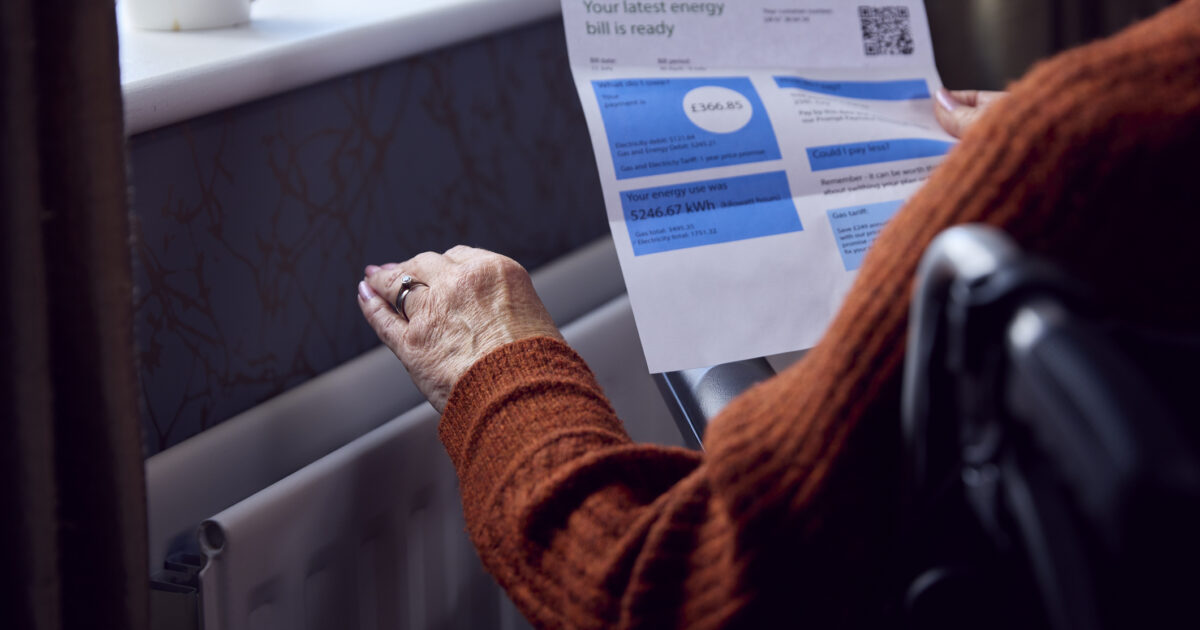
Economic abuse is the invisible shackle that binds so many women to cycles of poverty, fear, and subjugation—yet it remains one of the most underdiscussed forms of domestic violence. While bruises fade and threats may recede, the financial stranglehold of economic abuse lingers, eroding autonomy one stolen dollar, one sabotaged credit score, one coerced signature at a time. This isn’t just about money. It’s about power. It’s about control. And it’s time every woman recognizes the red flags before they become permanent chains.
The Silent Sabotage: How Economic Abuse Wears Many Disguises
Economic abuse doesn’t announce itself with a slam of a door or the shatter of glass. It creeps in through the back door of your bank account, disguised as “help,” “concern,” or even “love.” A partner who insists on managing all finances “for your own good.” A family member who guilt-trips you into signing over assets “for the family’s future.” A boss who pays you less than your male counterparts and calls it “market rates.” These aren’t isolated incidents—they’re the scaffolding of a system designed to keep women financially dependent, and thus, compliant.
Consider the woman who is forced to ask permission for bus fare. The single mother whose child support is withheld as punishment. The elderly widow whose pension is siphoned by a “trusted” relative. Economic abuse thrives in the shadows of societal norms that still treat women’s financial literacy as optional, their independence as a privilege rather than a right. It’s not just about what’s taken—it’s about the psychological toll of living in a constant state of financial precarity, where every decision feels like a negotiation with an invisible captor.
The Checklist You Didn’t Know You Needed (But Absolutely Do)
So how do you spot economic abuse before it tightens its grip? Start here. This isn’t a quiz—it’s a mirror. Answer honestly, because the first step to breaking free is seeing the cage for what it is.
- Are you the only one contributing to joint accounts, while your partner spends freely? Financial domination isn’t just about hoarding money—it’s about dictating how it’s used. If you’re the sole breadwinner but have no say in major purchases, that’s not partnership. That’s feudalism.
- Do you have to justify every expense, no matter how small? A partner who interrogates you about a $5 coffee but drops $200 on a hobby without a second thought is testing the waters of control. Gaslighting often starts with money.
- Have you been prevented from working, or forced into a job that pays poverty wages? Sabotaging a woman’s career isn’t just about income—it’s about erasing her identity outside the relationship. A stay-at-home mom who’s forbidden from even volunteering is a prisoner in a gilded cage.
- Is your credit score in shambles because of your partner’s actions? Identity theft, coerced debt, or simply being cut off from financial decisions can destroy your credit before you even realize you’ve been targeted. And in a world that judges women’s worth by their FICO scores, that’s a death sentence.
- Do you feel guilty for spending money on necessities, like groceries or medical bills? The ultimate power move? Convincing a woman that her survival is a luxury. If you’ve ever apologized for buying tampons or hesitated to fill a prescription because “it’s not an emergency,” economic abuse has already claimed another victim.

Beyond the Checklist: The Ripple Effects of Financial Coercion
Economic abuse doesn’t exist in a vacuum. It’s the puppeteer pulling the strings of every other form of abuse. Without financial independence, leaving an abusive relationship becomes a fantasy. Without savings, a woman is trapped in a cycle of shame and silence. Without credit, she can’t rent an apartment, buy a car, or even secure a phone plan. The damage isn’t just monetary—it’s existential.
Consider the woman who stays with an abusive partner because she can’t afford to flee. The single mother who forgoes therapy because she can’t justify the cost. The elderly woman who endures elder abuse because she fears losing her home. Economic abuse doesn’t just steal money—it steals time, health, and the very possibility of a future. It’s the reason why, according to some studies, women who experience economic abuse are more likely to suffer from PTSD than those who experience physical violence alone. The mind can heal from bruises, but the soul withers under the weight of financial servitude.
The System is Stacked Against You—But Not Unbeatable
Here’s the brutal truth: society is rigged to keep women financially vulnerable. From the gender pay gap to the pink tax, from the expectation that women will take career breaks to the reality that single mothers are disproportionately poor—every system is designed to make resistance feel futile. But futile is not the same as impossible.
Start small. Open a separate bank account. Stash cash in a place your abuser won’t look. Document every financial slight, no matter how minor. Learn the basics of credit repair. Seek out organizations that specialize in financial abuse—yes, they exist, because this is a crisis, not an anomaly. And most importantly, refuse to internalize the shame. Economic abuse isn’t your fault. It’s a crime.
Remember: financial independence isn’t just about dollars and cents. It’s about reclaiming your agency, your voice, and your right to exist outside the confines of someone else’s control. The first step? Admitting you’re in a cage. The next? Picking the lock.
You Are Not Powerless—Even When It Feels That Way
Economic abuse thrives in secrecy, in the quiet moments when a woman tells herself, “It’s not that bad,” or “I can handle this.” But silence is the abuser’s greatest weapon. The moment you name what’s happening, you strip it of its power. You are not a victim of circumstance. You are a woman with the right to demand more—from your partner, from your family, from your government, and most of all, from yourself.
So review the checklist. Trust your instincts. And when you’re ready, take the first step toward a future where your money is yours, your choices are yours, and your life is yours to command. The revolution starts with a single transaction.




Leave a Comment