In the complex labyrinth of professional and social dynamics, women face a subtle yet relentless paradox: the ceaseless tug-of-war between being competent and being likable. This dichotomy is not just a fleeting dilemma; it’s a structural enigma woven into cultural expectations, gender biases, and unspoken social contracts—each thread tightening the grip on how women are perceived and valued. The fascination with this tension reveals more than surface-level discomfort; it exposes an intricate dance of power, identity, and survival in spaces still dominated by outdated norms.
The Unspoken Social Calculus of Competence and Likability
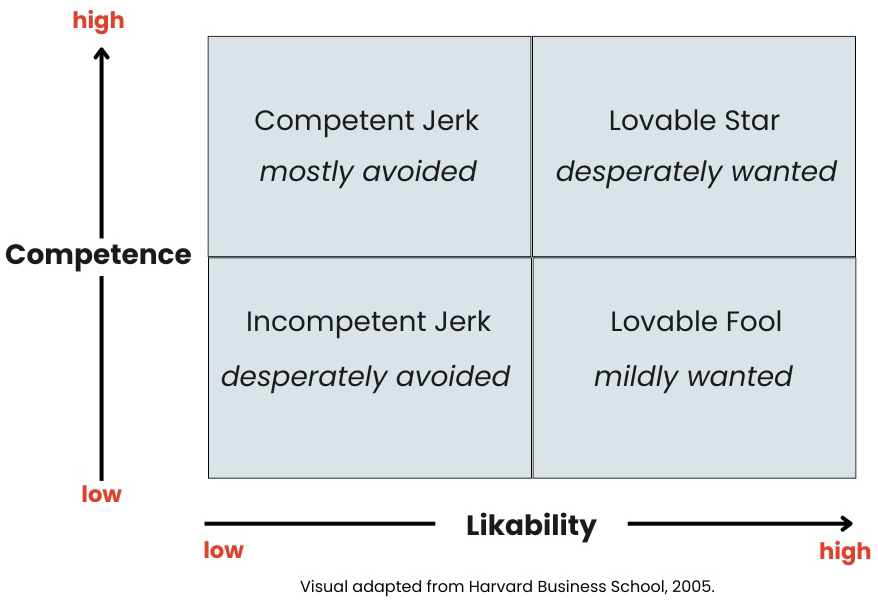
At the heart of this paradox lies a silent, unyielding social calculus. Women are often measured not only by their capabilities but by how effortlessly they can soothe egos, navigate interpersonal dynamics, and maintain affability under pressure. Competence, traditionally associated with decisiveness, assertiveness, and undeniable skill, frequently clashes against the equally enforced expectation of warmth, approachability, and congeniality.
When a woman exhibits high competence, she risks being labeled as abrasive, intimidating, or unpalatable—epithets rarely affixed to men displaying identical traits. Conversely, prioritizing likability can erode perceptions of authority, leading to infantilization or diminished respect. The balancing act is no mere preference; it’s a prerequisite for credibility and advancement that men rarely encounter with such intensity.
Historical Undercurrents and Gendered Expectations
This challenge is rooted deeply in historical gender constructs that have long assigned women to nurturing, supportive roles while reserving leadership and decisiveness for men. The archetype of the “acceptable” woman often demands she be simultaneously competent in domestic, communicative, or emotional labor, yet infinitely accommodating and self-effacing to maintain social harmony.
Emerging from these antiquated paradigms is an unspoken injunction: a competent woman must suppress behaviors deemed “too masculine,” such as assertiveness or bluntness, for fear of social reprisal. Her competence is thus perpetually moderated by the necessity to remain palatable—an emotional performance that exacts significant psychological toll.
Likability as a Double-Edged Sword
Likability, in this nuanced framework, acts like a socially mandated disguise. Women who lean on charm and relational ease to navigate male-dominated environments do so with the tacit understanding that these traits serve as currency, enabling access and acceptance. Yet this currency is volatile. The moment a woman’s competence eclipses her “likeability capital,” backlash is triggered. She is punished for stepping out of line—often through subtle ostracism, overt hostility, or attribution of negative stereotypes.
This volatility creates an exhausting cycle: women expend significant emotional energy maintaining likability without sacrificing their authority. It is a transactional burden rarely acknowledged but widely experienced—a form of gendered labor intrinsic to professional survival.

Implications on Confidence and Identity Formation
The competence vs. likability trap reverberates far beyond interpersonal perceptions; it infiltrates women’s self-concept and confidence. Constantly negotiating how much of their authentic selves to reveal, many women internalize these external judgments, crafting personas designed to appease rather than inspire. This fractured self-presentation undermines genuine confidence, replacing it with a strategic performance tailored to mitigating social sanctions.
Moreover, young girls and emerging women leaders absorb these conflicting signals early on, skewing their aspirations and expressions of power. The pervasive message becomes: excel so long as you do not threaten; lead so long as you remain pleasant. This dynamic stunts not just individual growth but collective progress toward gender equity in leadership.
Strategies of Resistance: Navigating and Subverting the Trap
Despite its pervasive nature, the competence vs. likability paradox is not immutable. Women increasingly harness “gender judo”—a strategic, nuanced maneuvering of societal expectations that embraces both competence and authentic likability without capitulation. This means redefining likability on their terms: authentic connection without acquiescence, empathy without self-erasure.
Furthermore, collective advocacy, mentorship, and cultural shifts in organizational leadership are essential. By spotlighting the cognitive dissonance inherent in penalizing competent women, change-makers disrupt entrenched norms, paving paths where women wield power unapologetically while cultivating genuine respect and admiration.

Conclusion: Beyond Dichotomy Toward Holistic Empowerment
The competence vs. likability trap is a reflection of society’s deeper anxieties about women in positions of influence and authority. It compels us to question not just individual behavior but the cultural architectures that sustain such contradictory expectations. Moving beyond this binary is not simply a feminist aspiration—it is a necessary recalibration of human interaction, leadership values, and societal inclusion. When competence and likability are no longer positioned as opposites, when women’s multifaceted identities are embraced in totality, true transformation begins.
In this reconsideration lies profound liberation: women who are free to be capable and authentic, respected and beloved, powerful and approachable—without compromise or apology.











Leave a Comment