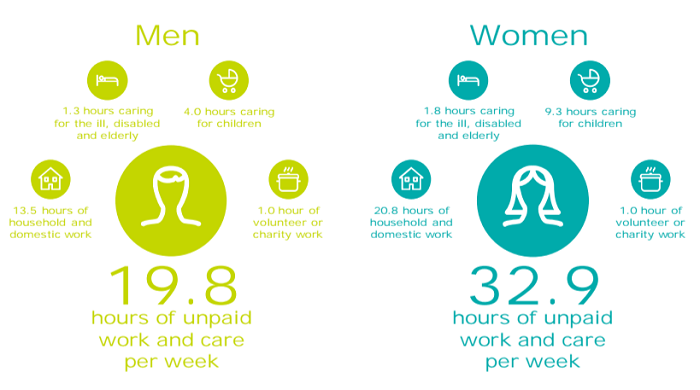
The first time she tallied the invisible hours, the number hit her like a punch to the gut—30 unpaid hours a week. Not in a spreadsheet. Not in a formal contract. But in the quiet accumulation of laundry folded at midnight, in the mental load of remembering birthdays, in the emotional labor of soothing a partner’s ego after a long day. This wasn’t overtime logged in a timecard. It was the silent tax of womanhood, rendered in minutes and swallowed whole by societal expectation.
The Myth of the “Natural” Caregiver
We’ve been sold a lie so old it’s woven into the fabric of our collective unconscious: that women are, by some mystical feminine essence, predisposed to nurture, to organize, to absorb the emotional detritus of others without complaint. This isn’t just outdated—it’s a form of cultural hypnosis. The 30-hour figure isn’t an anomaly; it’s the predictable outcome of a system that treats care as an infinite resource, extracted from women without reciprocity, without compensation, without even recognition.
Consider the language we use. A man who stays late at the office is “dedicated.” A woman who stays late at home is “just doing what she’s supposed to.” The former is framed as a choice; the latter as an inevitability. This linguistic sleight of hand erases the labor entirely. If a woman’s unpaid work were truly optional, would she still be doing it at 2 a.m. while the rest of the household sleeps?
The Invisible Ledger of Domestic Drudgery
Unpaid labor isn’t just about time—it’s about the tyranny of the mundane. The mental gymnastics required to manage a household are a full-time job in themselves. Who needs to pick up the dry cleaning? Who forgot to RSVP to the school event? Who’s tracking the pediatrician’s appointments? These aren’t trivial questions. They’re the invisible threads holding a family together, and in most cases, they’re being pulled by one person: the woman.
Imagine if a CEO were expected to perform this role without a title, without a salary, without even a thank-you. We’d call it exploitation. Yet when a woman does it, we call it “love.” The distinction is crucial. Love implies choice. Exploitation implies coercion. The 30-hour figure forces us to confront an uncomfortable truth: what we’ve been framing as devotion is, in many cases, coerced compliance.

The Gendered Divide in Emotional Labor
Emotional labor is the silent assassin of modern womanhood. It’s the art of anticipating needs before they’re voiced, of smoothing over conflicts before they escalate, of performing happiness even when the weight of the world feels unbearable. Men, on average, spend far less time on these tasks—not because they’re incapable, but because they’re not socialized to see them as their responsibility.
This isn’t just about fairness. It’s about power. When one partner shoulders the burden of emotional labor, they’re effectively performing a second shift—one that leaves them drained, resentful, and, ultimately, less able to advocate for themselves in other areas of life. The 30-hour figure isn’t just a number; it’s a barometer of who holds the reins in a relationship. And in most cases, the answer is sobering.
The Ripple Effect: How Unpaid Labor Shapes Lives
The consequences of this invisible labor extend far beyond the home. Women who spend 30 hours a week on unpaid work have less time for career advancement, for education, for self-care. They’re more likely to experience burnout, to suffer from anxiety, to feel like they’re constantly running on empty. And yet, when they dare to voice frustration, they’re met with eye rolls, with dismissals, with the age-old refrain: “But you’re so good at it.”
This isn’t just a personal issue—it’s a systemic one. When half the population is expected to perform unpaid labor at the scale of a full-time job, the economy suffers. Innovation stalls. Wages stagnate. Entire industries—childcare, eldercare, domestic work—are devalued because they’re seen as “women’s work.” The 30-hour figure isn’t just a personal tragedy; it’s a collective failure.
Breaking the Cycle: The Radical Act of Saying No
So what’s the solution? It starts with refusal. Saying no to the assumption that you’ll handle it. Saying no to the guilt that whispers, “But what if they can’t manage?” Saying no to the idea that your worth is tied to your capacity to absorb the emotional labor of others.
This isn’t about abdicating responsibility. It’s about redistributing it. Partners, families, and societies must recognize that unpaid labor isn’t a virtue—it’s a burden that should be shared. Men, in particular, must step up not out of obligation, but out of recognition that equality isn’t a zero-sum game. When one person’s burden is lightened, everyone benefits.
And for women? The most radical act of all might be to stop performing. To let the laundry pile up. To let the birthday go unnoticed. To let the emotional labor remain undone. Not out of malice, but out of self-preservation. Because the 30-hour figure isn’t just a statistic—it’s a wake-up call. And the first step toward change is admitting that the system is broken.
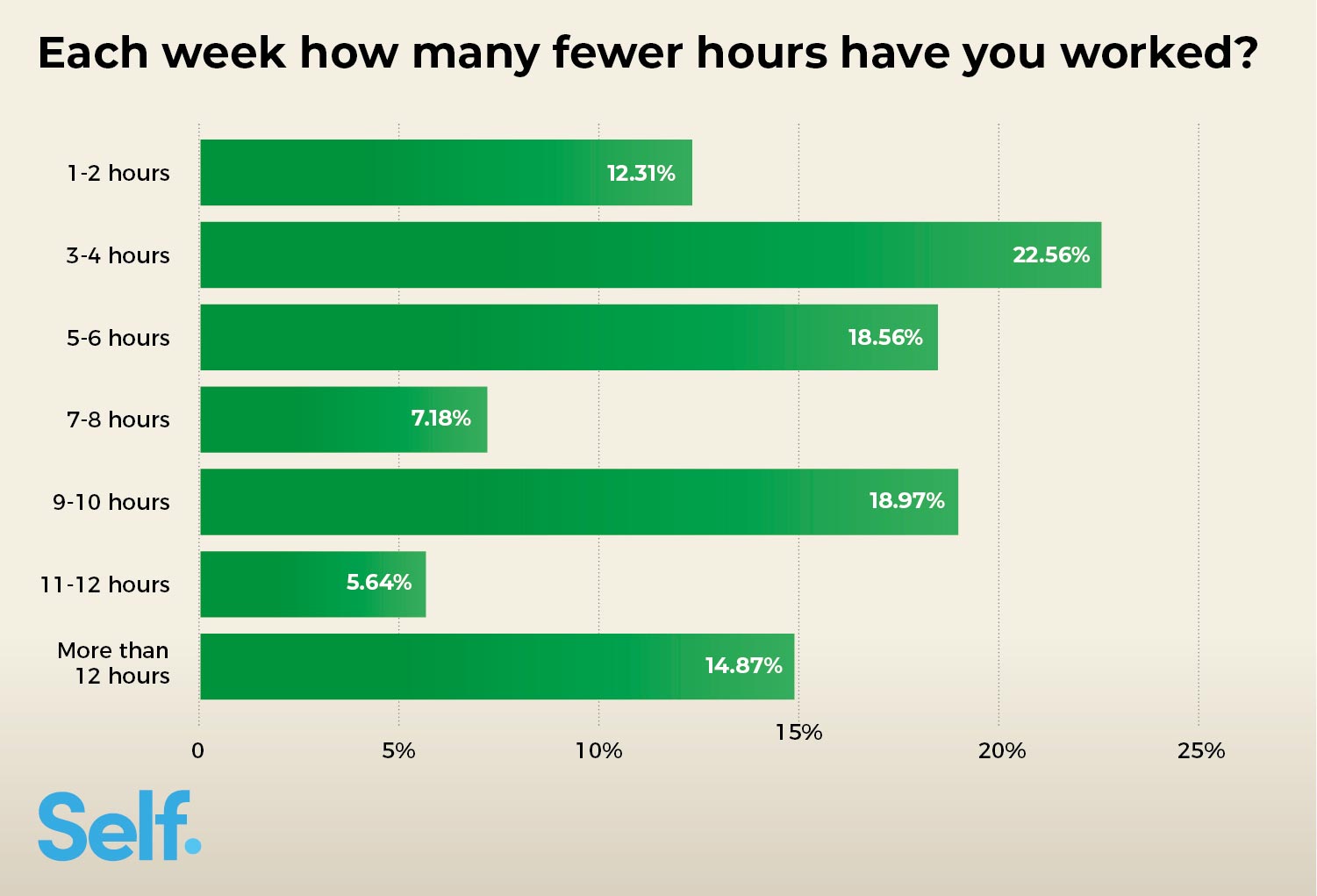
The Long Game: Redefining Value Beyond the Unpaid
The fight for equality isn’t just about wages or promotions—it’s about redefining what we value. Care work, emotional labor, domestic drudgery—these aren’t trivial tasks. They’re the foundation of society. And yet, we treat them as if they’re beneath notice. As if they’re not worthy of compensation, of respect, of even acknowledgment.
The 30-hour figure is a mirror held up to society. What it reflects isn’t just the burden on women—it’s the rot at the core of our values. Until we stop treating care as a natural resource to be exploited, until we start compensating it as the labor it is, we’ll remain trapped in a cycle of exhaustion and resentment. The question isn’t whether we can afford to change. It’s whether we can afford not to.










Leave a Comment