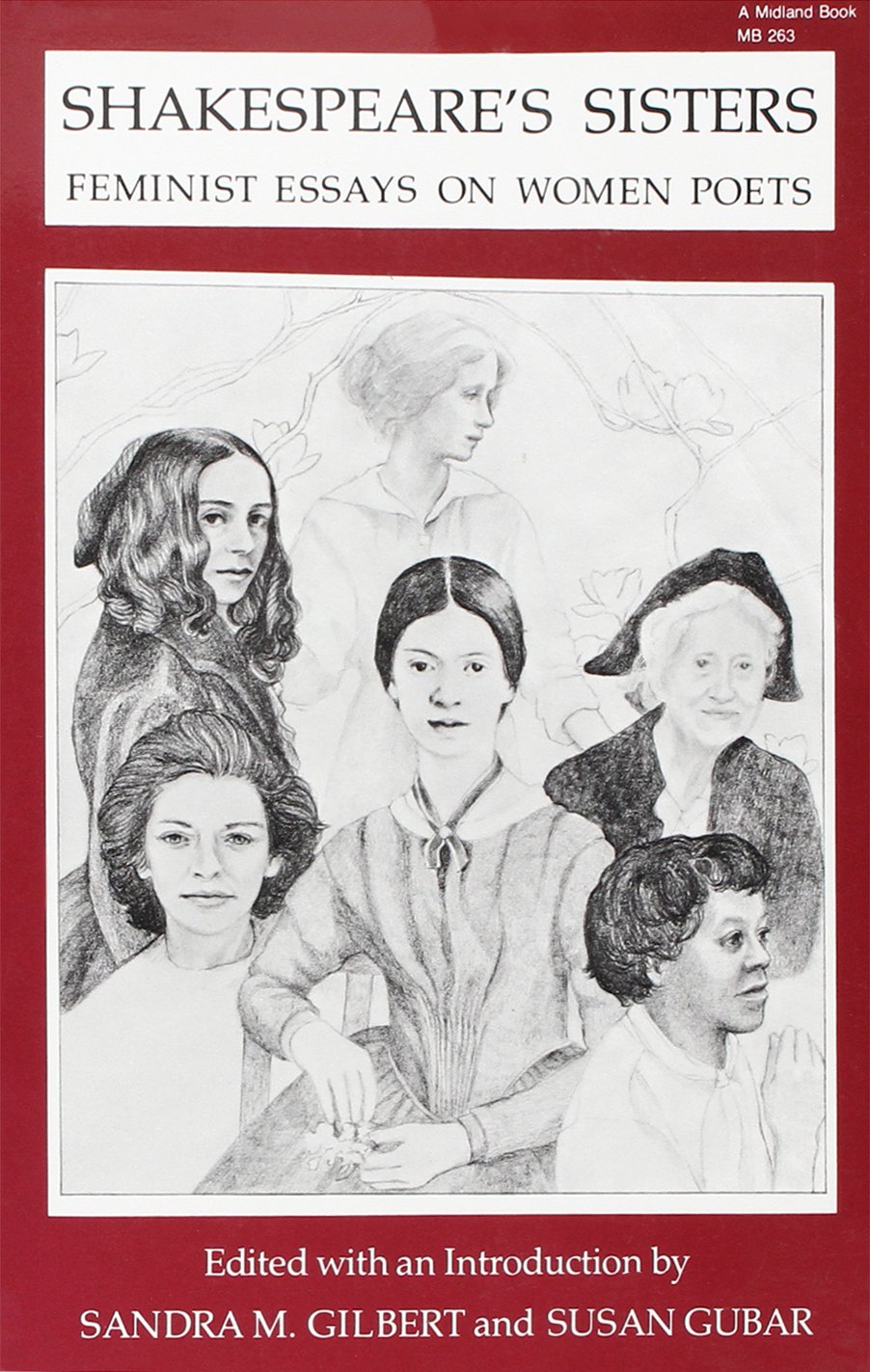
What if the timeless works of Shakespeare—the towering monolith of English literature—were not the unassailable bastions of patriarchal storytelling we’ve long accepted? Imagine, instead, a series of radical reinterpretations where women don’t simply exist as muses or tragic victims, but as architects of their own destinies. Enter the realm where feminist endings rewrite the Bard, shaking the foundations of his established narrative universe. The seismic tremors of this transformation promise not mere gender politics, but a profound shift in cultural perspective that is impossible to ignore.
The Silent Women of Shakespeare’s Canon: A Prelude to Revolution
Shakespeare’s plays—masterpieces that continue to dominate curricula and stages globally—are often lauded for their complex characters and profound insight into the human psyche. Yet, scratch beneath the surface, and what emerges is a dominant patriarchal framework that sidelines female agency. Women in Shakespeare’s stories frequently serve as pawns sacrificed on the altar of male ego, ambition, or desire. Ophelia’s descent into madness and eventual demise, Lady Macbeth’s tormenting guilt culminating in despair, and Juliet’s tragic death all reinforce a narrative not of empowerment but of tragic subjugation.
This is the entrenched narrative to be dismantled—where women are rarely protagonists of their own futures. The feminist reinterpretation dares to question this silent scripting, demanding an aesthetic and ideological overhaul.
Recasting the Bard: Feminist Endings as Acts of Defiance
Rewriting Shakespeare’s plays with feminist endings is no mere act of literary playfulness; it is an act of audacious rebellion against centuries of androcentric storytelling. These reimaginings are characterized by women who refuse passive suffering or martyrdom. Instead, they embody resilience, cunning, and autonomy, carving new paths that defy their historically predetermined fates.
Take, for example, the reframing of “Macbeth.” Rather than Lady Macbeth slipping into guilt-ridden madness and death, feminist retellings envision her reclaiming control—subverting the notion that ambition and desire for power are sole male prerogatives. Or consider Juliet, who escapes the fatal inevitability of her ‘star-crossed’ fate to assert her own narrative, alive and sovereign.
Such endings do more than alter plotlines—they rupture the very ontology of Shakespeare’s worlds. They question why female narratives had to end in surrender or demise and assert that alternative possibilities are not only imaginative flights but essential corrections to literary history.

Why Feminist Shakespeare Matters: Beyond Literature
This movement transcends the realm of textual analysis and theatrical reinterpretation. It echoes wider societal transformations demanding equity, visibility, and voice for women. When Shakespeare’s plays are rewritten, the impact is twofold: it not only reshapes artistic media but simultaneously challenges deeply ingrained cultural archetypes. These recast narratives inspire audiences to rethink gender dynamics and the historical erasure embedded within them.
Feminist Shakespeare invites critical conversations on power, identity, and resistance. It revitalizes discourse on female subjectivity—no longer ancillary, but central. This shift ripples into education, performance, and even how gender is conceptualized socially. It promises a future where the literary canon is expanded to embrace multiplicities of experience rather than a monolithic patriarchal viewpoint.
The Mechanics of Feminist Rewriting: Strategies and Innovations
Crafting feminist endings requires more than tweaking dialogue or flipping destinies. It demands rigorous interrogations of character psychology, narrative structure, and thematic focus. The process often begins by excavating silenced voices and overlooked subtexts within the original plays.
One method involves amplifying female perspectives through internal monologues or alternate viewpoints, allowing audiences to inhabit the women’s consciousness and motivations fully. Others reconstruct plot arcs to prioritize female solidarity and collective resistance rather than competition or victimhood. These methods are not only about empowerment but about restoring dimensions to female characters that have historically been flattened or marginalized.
Innovation in language and symbolism also plays a crucial role. Feminist retellings infuse new imagery and metaphors that resonate with contemporary understandings of gender fluidity, intersectionality, and liberation. This linguistic subversion destabilizes traditional Shakespearean tropes, making the plays sites of ongoing cultural contestation rather than static relics.

The Bard Is Shook: Reactions and Reverberations
The response to feminist Shakespeare has been as polarizing as it is electrifying. Traditionalists often recoil, decrying these reinterpretations as distortions or anachronisms disrespectful to the original genius of the Bard. Yet, the very fervor of opposition illuminates the revolutionary nature of feminist rewritings—they unsettle the canonical orthodoxy and expose the fragility beneath Shakespeare’s towering reputation.
These feminist narratives draw diverse audiences—activists, scholars, theatergoers—who find in them a potent blend of tragedy, triumph, and transformation. The Bard’s shadow looms large, but the women who rewrite his works cast new light, illuminating pathways long obscured by historical biases.
In academic and theatrical circles alike, feminist Shakespeare is generating fresh dialogues about authorship, interpretation, and who holds the power to define literary meaning. The Bard’s legacy is not diminished by these shifts; instead, it is invigorated—propelled into a necessary and thrilling new era.
Conclusion: Embracing a Future Where Women Command the Stage
Shakespeare’s plays are not immutable monoliths etched in stone. They are living texts, capable of transformation, and now, through feminist rewriting, they become battlegrounds and beacons of change. This is more than literary revision—it is a reclamation. It promises a horizon where the stories women inhabit are marked by agency, complexity, and liberation rather than sacrifice and silence.
The Bard may be shook, but this shudder signals progress. It dares us to envision literature—and society—where women not only survive but thrive, scripting their own endings and igniting new beginnings. The curtain is rising on a future stage where feminist Shakespeare reigns supreme.









Leave a Comment