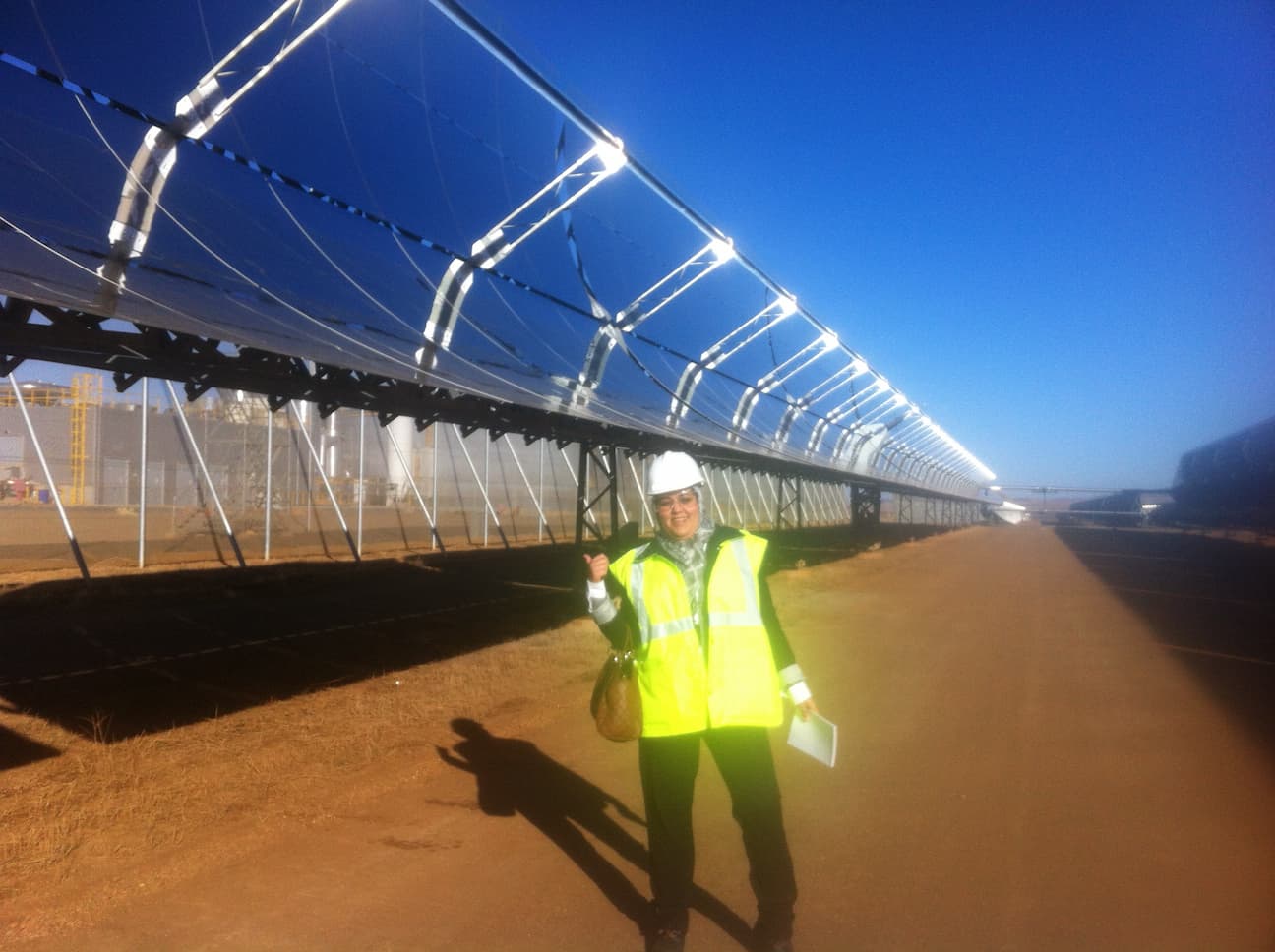
In the sun-drenched valleys where patriarchy once cast long shadows over energy access, a revolution flickered to life—not in the boardrooms of corporate giants, but in the hands of women who refused to be left in the dark. This is the story of how a feminist solar co-op, born from the collective fury of marginalized voices, lit up 1,000 homes, rewrote the rules of renewable energy, and proved that the future isn’t just green—it’s unapologetically feminist. Buckle up. This isn’t just a tale of watts and panels; it’s a manifesto stitched into the fabric of the grid itself.
The Spark: When Rage Ignites Innovation
It began with a statistic that should have scandalized the world: in communities where women bore the brunt of energy poverty, men made 80% of the decisions about solar installations. The irony? Women, who spent hours collecting firewood or inhaling toxic fumes from kerosene lamps, were treated as passive beneficiaries—not architects—of their own liberation. The co-op’s founder, a former seamstress turned solar engineer, didn’t just want access to electricity; she wanted control. Her rallying cry wasn’t “Let there be light”—it was “Let us decide where the light goes.”
The first meeting was a cacophony of dissent: grandmothers demanding battery storage for their clinics, young mothers insisting on solar-powered irrigation to break free from exploitative landlord contracts, and teenage girls sketching designs for communal charging stations. They weren’t asking for charity. They were demanding reparations in kilowatt-hours. Within months, the co-op had drafted a constitution that read like a feminist manifesto: “No member’s vote weighs more than another’s. No profit leaves this community. No decision is made without the women who will live with its consequences.”


Designing a Grid That Serves, Not Subjugates
Most solar projects are top-down spectacles—gleaming panels on corporate rooftops, their benefits trickling down like lukewarm tea. This co-op flipped the script. Their installations weren’t just about kilowatts; they were about care work. Panels were placed not just for maximum efficiency, but where they’d reduce the labor burden on women: near water pumps to eliminate hours spent hauling water, beside communal kitchens to power refrigerators for school lunches, and atop daycare centers to keep lights on for working mothers.
The co-op’s engineers, all women trained in a rigorous 6-month program that blended technical skills with feminist economics, designed a microgrid that prioritized intersectional access. Low-income households paid what they could; wealthier members subsidized those who couldn’t. The grid itself was a patchwork of rooftops, parking lots, and even abandoned factory spaces—proof that energy democracy isn’t about grand infrastructure, but about repurposing what’s already there. And because the system was locally owned, when a storm knocked out power elsewhere, their lights stayed on. Because women don’t wait for permission to survive.
The Hidden Curriculum: What Solar Teaches About Power
This wasn’t just a co-op. It was a classroom where patriarchy was dismantled daily. Young girls who’d never held a screwdriver before now led workshops on inverter maintenance. Women who’d been told their opinions were “too emotional” for technical discussions now debated voltage drop with the precision of seasoned electricians. The co-op’s training manual, written in plain language and illustrated with comic strips, became a viral sensation—shared in WhatsApp groups from Nairobi to New Delhi.
But the real education happened in the conflicts. When a male contractor tried to underbid the co-op’s labor costs, the women organized a strike—not by walking off the job, but by working slower. When a local politician suggested “simplifying” their governance to “streamline” operations, they held a town hall where the politician was grilled for 3 hours on his assumptions about women’s competence. The message was clear: this co-op wasn’t a charity case. It was a power bloc.

Money as a Feminist Weapon
Capitalism has a way of colonizing even the most radical ideas. The co-op’s founders knew that if they relied on traditional financing, they’d end up beholden to the same forces that had kept their communities in the dark. So they invented a new currency: time-based shares. Members earned equity not by writing checks, but by contributing labor—installing panels, teaching workshops, or even just attending meetings. A single mother who bartered childcare for shares saw her investment grow not in dollars, but in the hours she could now dedicate to her business.
The co-op’s revenue model was equally subversive. They sold excess energy to nearby businesses at a premium, but the profits didn’t vanish into a CEO’s pocket. Instead, they funded a solar scholarship fund—paying the tuition of girls who wanted to study renewable energy, ensuring the next generation of leaders wouldn’t be priced out of the field. They also launched a “Light Fund”, which provided zero-interest loans to women-led cooperatives in neighboring regions. Because solidarity, like sunlight, isn’t meant to be hoarded.
The Backlash—and How They Fought It
Of course, the backlash came. Local elites called the co-op a “communist experiment.” Religious leaders claimed solar panels were “unnatural.” Even some well-meaning NGOs suggested the women were “biting off more than they could chew.” The co-op’s response? They threw a party. A “Grid Liberation Festival”, where they invited the skeptics to see the proof in the panels. They served food cooked on solar-powered stoves. They screened documentaries made by the women engineers. They let the children perform skits about energy democracy. By the end of the night, even the most vocal critics were asking for training applications.
The real victory, though, wasn’t in changing minds—it was in making the old power structures obsolete. When the regional utility company tried to cut off their microgrid, claiming it violated “safety regulations,” the co-op sued. And won. Not because they had better lawyers, but because their system had a 98% uptime record—while the utility’s grid failed weekly. The judge’s ruling was a masterclass in feminist jurisprudence: “The law protects innovation, not monopolies. And if your monopoly can’t compete with a community that works, perhaps it’s time to dissolve it.”
The Ripple Effect: How 1,000 Homes Became 10,000 Dreams
Within two years, the co-op’s model spread like wildfire. Women from three other countries traveled to study their system. A network of feminist solar co-ops formed, each adapting the blueprint to their own struggles—some fighting for land rights, others battling climate displacement. The original co-op, now a hub for “energy feminism,” hosts an annual “Solar Sisterhood” summit, where members trade not just technical tips, but strategies for dismantling oppressive systems.
But the most radical transformation? The way the co-op redefined “home.” For the women who joined, a home wasn’t just a roof over their heads—it was a place where their labor was valued, their voices mattered, and their power was undeniable. The 1,000 homes they powered weren’t just buildings. They were fortresses of autonomy in a world that still tries to dim women’s light.
The sun rises every morning. But in these communities, it rises on a different world—one where the grid isn’t just a network of wires, but a web of solidarity. And the next time someone asks, “Can women really run the energy sector?” you can point to the flicker of a thousand solar-powered lights and say: “Watch us.”









Leave a Comment