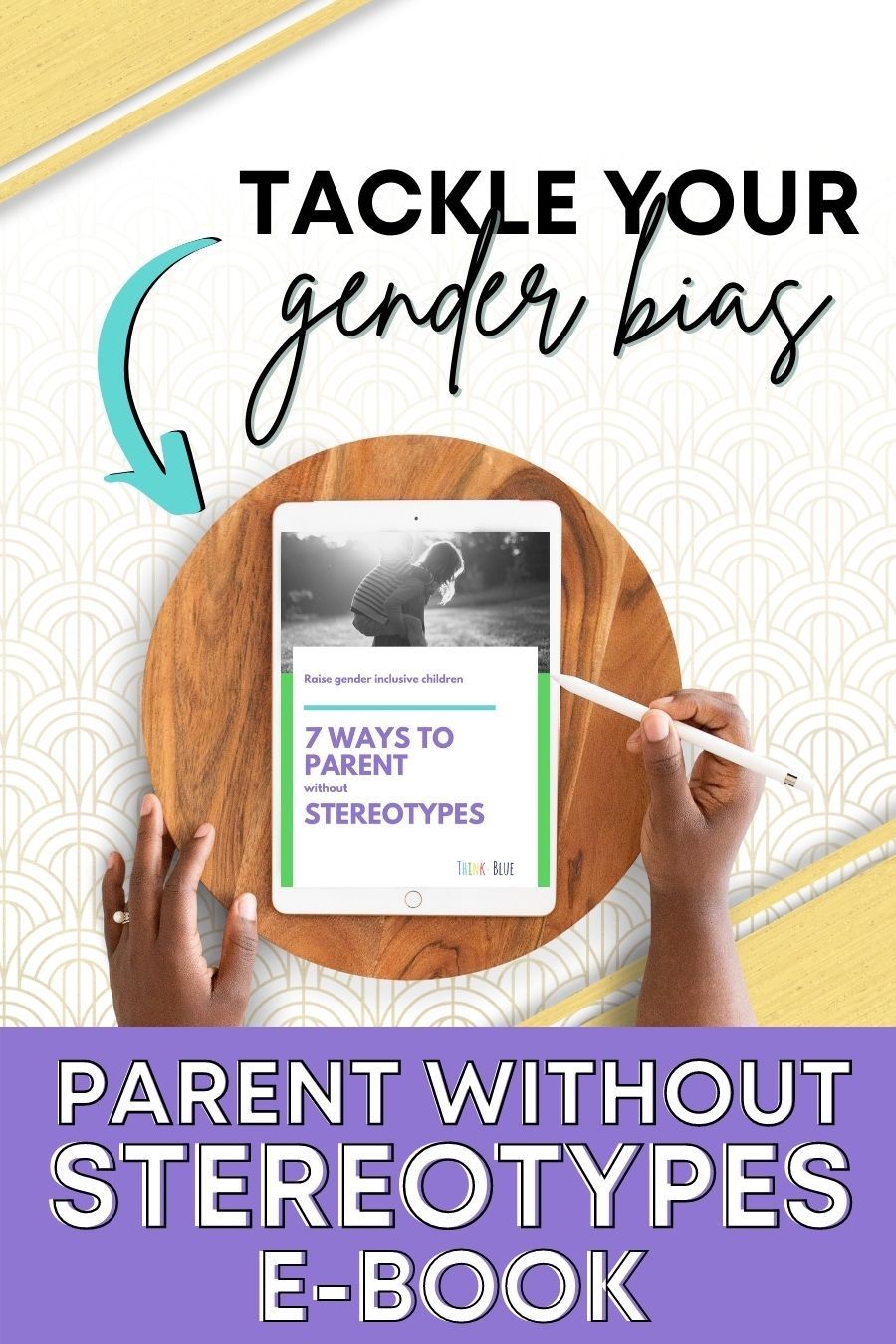
In a world where parenting advice often feels like a minefield of outdated tropes and gendered expectations, one mother’s ingenious solution has sparked a quiet revolution. Meet the feminist dad merit badge system—a playful yet profound tool that’s redefining fatherhood, challenging maternal stereotypes, and giving moms everywhere a reason to cheer. This isn’t just about stickers and charts; it’s about dismantling the myth that caregiving is a woman’s sole domain and rewriting the rules of what it means to be an engaged, empathetic father.
The Merit Badge Manifesto: Why Dads Need a Feminist Upgrade
Parenting, at its core, is a collaborative act—but society has long treated it as a solo performance starring mom. The feminist dad merit badge system flips this script by turning allyship into a tangible, rewarding pursuit. Each badge represents a milestone in dismantling patriarchal parenting: from “Unlearning Toxic Masculinity” to “Mastering the Art of Emotional Labor.” It’s not about guilt-tripping fathers into doing their fair share; it’s about celebrating the small, daily acts of resistance against a system that tells men to be stoic providers and women to be self-sacrificing nurturers.
Imagine a father proudly displaying a “Nighttime Routine Ninja” badge after successfully soothing a toddler’s tantrum without defaulting to “just ignore it.” Or a “Laundry Liberation” badge earned for folding socks without being asked. These aren’t trivial achievements—they’re acts of rebellion against a culture that still measures a man’s worth by his paycheck, not his presence.
From Pinterest to Parenting: How a Simple Idea Went Viral
The merit badge system didn’t emerge from a think tank or a parenting manual. It bubbled up from the grassroots, a DIY solution shared in mom groups and feminist forums before exploding across social media. Its power lies in its simplicity: a printable chart, a handful of badges, and a clear roadmap for dads to earn their feminist stripes. What started as a niche idea has become a movement, with parents swapping stories of dads proudly presenting their latest badge like a Boy Scout showing off a merit sash.
What’s fascinating is how this system bridges generations. Older fathers, raised on the adage that “real men don’t cry,” find themselves unexpectedly moved by the “Vulnerability Victory” badge. Younger dads, already fluent in progressive parenting, use the system to hold themselves accountable. And moms? They’re the ones cheering from the sidelines, finally seeing their partners step up—not out of obligation, but out of genuine investment.
The Psychology Behind the Badges: Rewarding the Right Behaviors
Behavioral psychology tells us that positive reinforcement works. The merit badge system leverages this principle by turning caregiving into a game, complete with instant gratification. Each badge is a dopamine hit, a visual reminder that nurturing isn’t a chore—it’s a skill to be honed. For dads who’ve spent their lives equating success with productivity outside the home, these badges reframe fatherhood as a domain of competence, not just provision.
But here’s the twist: the badges aren’t just for dads. Moms, too, can earn “Allyship Applause” badges for recognizing and celebrating their partners’ efforts. It’s a subtle power shift, one that acknowledges the emotional labor of parenting while redistributing it more equitably. In a culture where women are socialized to downplay their needs, this system quietly insists: your partner’s participation isn’t a favor—it’s a baseline expectation.
Breaking the “Default Mom” Trap: How Badges Redefine Responsibility
The “default mom” phenomenon is real. Studies show that even in egalitarian households, women still shoulder the majority of invisible labor—remembering birthdays, scheduling doctor’s appointments, knowing which socks match. The merit badge system disrupts this dynamic by forcing dads to confront the gaps in their involvement. A “Meal Prep Maestro” badge isn’t just about cooking; it’s about recognizing that feeding a family is a 24/7 job, not a “helping out” chore.
Critics might dismiss this as performative allyship, but the badges demand more than lip service. To earn “Emotional First Responder,” a dad must actively listen during meltdowns, validate feelings, and resist the urge to “fix” everything. It’s a radical act in a world where men are taught to suppress vulnerability. And for moms exhausted by emotional labor, seeing their partners step into these roles is nothing short of revolutionary.
The Ripple Effect: How One System is Changing Household Dynamics
The impact of the feminist dad merit badge system extends far beyond the badges themselves. Partners report deeper communication, reduced resentment, and a newfound appreciation for each other’s roles. Kids, too, benefit from seeing their fathers engaged in caregiving—research shows that children with involved fathers grow up with higher emotional intelligence and more progressive views on gender.
But perhaps the most profound change is the shift in language. Instead of “babysitting,” dads are now “parenting.” Instead of “helping,” they’re simply doing their part. The badges don’t just reward actions; they reshape the narrative around what fatherhood can look like. And in a society still grappling with the fallout of toxic masculinity, that’s no small feat.
Is This the Future of Parenting? The Case for Systemic Change
The merit badge system is a Band-Aid on a gaping wound—a symptom of a larger issue where caregiving is undervalued and unevenly distributed. But it’s also a Trojan horse, smuggling feminist ideals into households one sticker at a time. If enough dads earn enough badges, could this spark a cultural shift? Could it pressure workplaces to support involved fatherhood? Could it chip away at the idea that women are naturally better at nurturing?
Skeptics might argue that systems like this let institutions off the hook—why focus on individual badges when we should be demanding paid parental leave and affordable childcare? But change, like parenting, is incremental. The badges are a conversation starter, a way to normalize the idea that caregiving is everyone’s responsibility. And in a world where progress often feels glacial, that’s worth celebrating.
How to Implement the System: A Guide for the Uninitiated
Ready to bring the feminist dad merit badge system into your home? Start by printing a blank chart and brainstorming badges that reflect your family’s needs. “Diaper Duty Daredevil” for overnight changes? “Bedtime Story Samurai” for consistent reading? The options are endless. Set clear expectations, track progress together, and—most importantly—celebrate every small victory.
But remember: the badges aren’t a competition. They’re a tool for growth. If a dad misses a badge, it’s not a failure—it’s a chance to reflect and try again. And if a mom finds herself micromanaging the system? That’s a sign the real work is still ahead.
The Bottom Line: Why This Matters More Than You Think
The feminist dad merit badge system is more than a trendy parenting hack. It’s a quiet revolution in how we define care, responsibility, and partnership. In a world where gender roles are still rigidly enforced, it offers a glimpse of what could be: a future where parenting isn’t a gendered expectation but a shared human experience. And for moms who’ve spent years feeling like lone wolves in the parenting wilderness, it’s proof that allyship isn’t just possible—it’s already here.
So go ahead. Print the badges. Hang the chart. Watch as your partner transforms from a well-meaning but clueless dad into a true co-parent. And when he earns his first badge, don’t just smile—savor the moment. Because this isn’t just about stickers. It’s about rewriting the rules of the game.








Leave a Comment